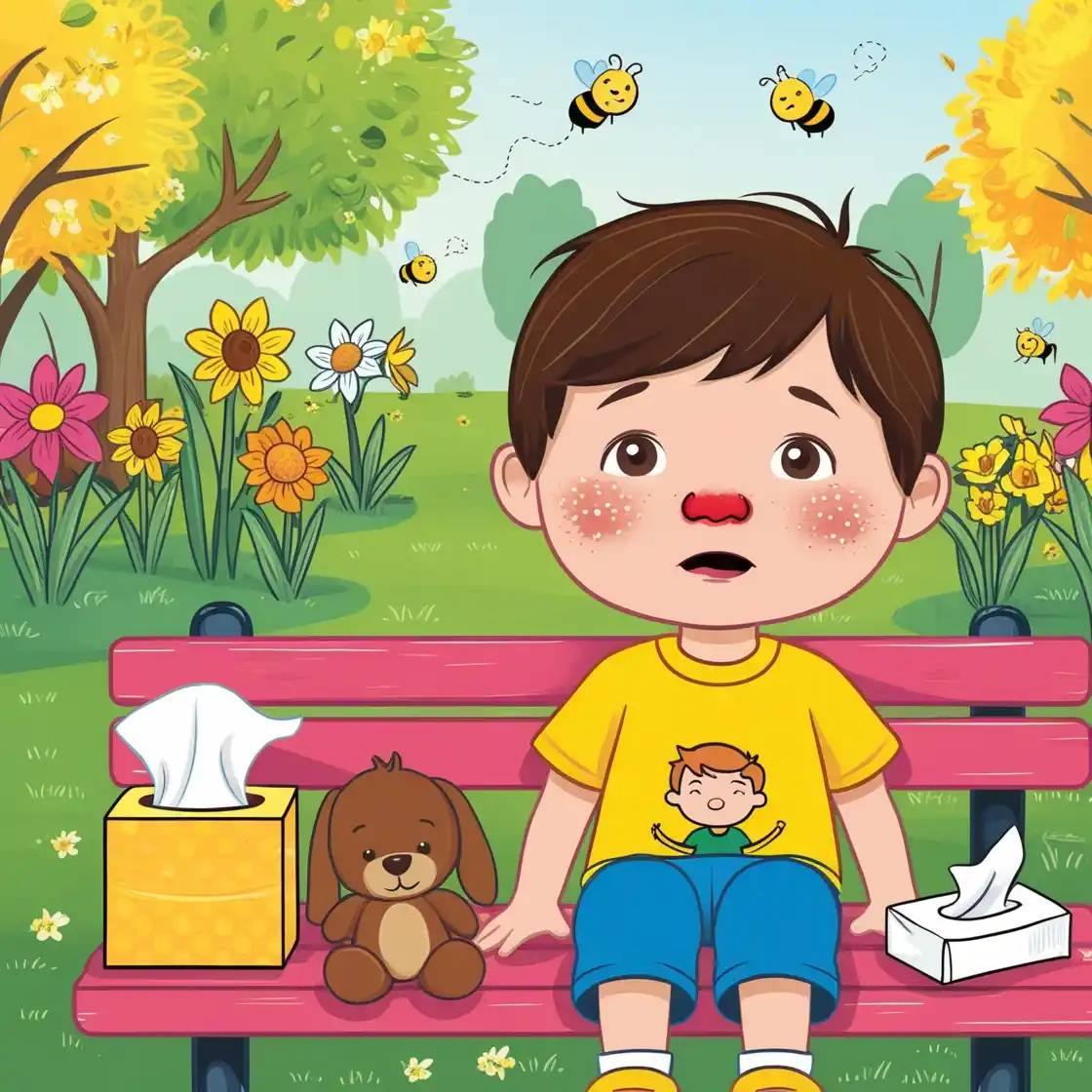
As seasons shift, many children experience seasonal allergies, a common affliction that can impact their daily lives and overall well-being. These allergies arise from various environmental factors such as pollen, dust mites, mold, and pet dander. Understanding the signs and symptoms of seasonal allergies in children is crucial for parents to provide timely relief and support. In this blog, we will explore the signs and symptoms of seasonal allergies in kids, effective management strategies, and highlight how MAXTRA P DS Syrup can offer fast relief.
Understanding Seasonal Allergies in Kids
Seasonal allergies, also known as hay fever or allergic rhinitis, occur when the immune system overreacts to allergens in the environment. Common allergens that trigger seasonal allergies include:
- Pollen: Released by trees, grasses, and weeds, pollen is a significant trigger, especially during spring and fall.
- Mold: Mold spores thrive in damp environments and can trigger allergies, particularly in autumn when fallen leaves accumulate.
- Dust Mites: These tiny creatures inhabit household dust and can cause allergic reactions year-round.
- Pet Dander: Proteins found in skin flakes, saliva, and urine of pets can trigger allergic reactions in sensitive children.
Signs of Seasonal Allergies in Kids
Recognizing the signs of seasonal allergies in children is vital for early intervention. Some common indicators include:
- Itchy Eyes: Itchy eyes are among the most common symptoms of allergies, often leading to excessive rubbing, which can cause redness and swelling.
- Runny or Stuffy Nose: Children may exhibit clear, watery discharge or nasal congestion, leading to frequent sniffing or blowing of the nose.
- Sneezing: Sneezing is a common reflex as the body attempts to expel allergens. This can be disruptive and exhausting for children.
- Coughing: Postnasal drip caused by mucus can lead to a persistent cough, disrupting sleep and concentration.
- Fatigue: Allergies can lead to fatigue and irritability, impacting mood and the ability to focus, especially in school.
- Skin Reactions: Some children may develop rashes or hives due to allergens, causing discomfort and distress.
Symptoms of Seasonal Allergies in Children
The symptoms of seasonal allergies in children can vary in intensity. Common symptoms include:
- Nasal Symptoms: Sneezing, a runny or blocked nose, and postnasal drip leading to throat irritation and coughing.
- Eye Symptoms: Allergic conjunctivitis may present as itchy, red, and watery eyes.
- Respiratory Symptoms: Allergies can trigger asthma-like symptoms, such as wheezing and chest tightness.
- Ear Symptoms: Some children may experience ear congestion or infections due to allergies.
Managing Seasonal Allergies in Kids
Managing seasonal allergies effectively involves a combination of prevention and treatment strategies. Here are some practical tips for parents:
- Limit Exposure to Allergens:
- Keep windows closed during high pollen seasons to prevent allergens from entering the home.
- Use air purifiers and dehumidifiers to reduce indoor allergens.
- Encourage children to shower and change clothes after outdoor play to wash away pollen.
- Monitor Pollen Counts:
- Check local pollen forecasts and plan outdoor activities accordingly. Limit time outside on high pollen count days.
- Encourage Regular Cleaning:
- Dust and vacuum frequently to minimize dust mites and pet dander. Use hypoallergenic bedding and wash it regularly in hot water.
- Implement Nasal Hygiene:
- Encourage children to rinse their nasal passages with saline solutions to help remove allergens and mucus.
- Seek Professional Advice:
- Consult a pediatrician or allergist for allergy testing and a tailored management plan.
Relief Options for Seasonal Allergies
When it comes to providing allergy relief for kids, there are several options available:
- Antihistamines: Over-the-counter antihistamines can alleviate symptoms like sneezing and runny nose. Options include cetirizine and loratadine, but always consult a healthcare provider for appropriate dosages for children.
- Nasal Corticosteroids: Prescription medications can help reduce inflammation in the nasal passages and alleviate symptoms, particularly nasal congestion.
- Decongestants: These can temporarily relieve nasal congestion and pressure, but should be used cautiously and under a doctor's guidance.
- Eye Drops: Antihistamine eye drops can relieve itchy and watery eyes.
- Natural Remedies: Some parents prefer natural remedies, but it's essential to consult a healthcare provider before trying new treatments, especially for children with pre-existing conditions.
The Role of MAXTRA P DS Syrup in Allergy Relief
Among various relief options, MAXTRA P DS Syrup stands out as an effective solution for managing seasonal allergies in children. Formulated specifically for kids, it combines powerful ingredients to provide fast relief from symptoms such as sneezing, nasal congestion, and runny nose.
Key Benefits of MAXTRA P DS Syrup:
- Rapid Action: The syrup acts quickly to alleviate allergy symptoms, allowing children to resume activities without disruption.
- Kid-Friendly Formula: MAXTRA P DS Syrup is designed for easy administration and is well-tolerated by kids, with a pleasant taste that encourages compliance.
- Comprehensive Relief: By addressing multiple symptoms simultaneously, this syrup enhances overall quality of life during allergy season.
Lifestyle Changes to Support Allergy Management
In addition to medications like MAXTRA P DS Syrup, parents can incorporate certain lifestyle changes to help manage seasonal allergies effectively:
- Healthy Diet: A balanced diet rich in fruits and vegetables can boost the immune system. Foods high in omega-3 fatty acids, such as fish, and those rich in vitamin C can help reduce inflammation.
- Stay Hydrated: Ensuring that children drink plenty of water can help thin mucus secretions, making it easier for them to breathe and reducing congestion.
- Regular Exercise: Encourage children to engage in regular physical activity, which can help improve their overall health and boost their immune response. However, be mindful of outdoor activities during high pollen seasons.
- Educate Your Child: Teach children about their allergies and how to avoid triggers. This education can empower them to take responsibility for their health and make informed decisions.
- Mindfulness and Stress Management: Practices such as yoga and meditation can help manage stress, which can exacerbate allergy symptoms. Encouraging children to practice mindfulness can lead to better overall health.
Recognizing When to Seek Help
While seasonal allergies can often be managed at home, there are times when it is essential to seek medical help. If your child experiences any of the following, consult a healthcare provider:
- Severe Symptoms: If symptoms are severe or persistent, such as difficulty breathing, wheezing, or swelling of the face, seek medical attention immediately.
- Infection Signs: If your child develops a fever, persistent cough, or green/yellow nasal discharge, they may have a secondary infection that requires medical evaluation.
- Medication Side Effects: If your child experiences adverse reactions to allergy medications, such as drowsiness or hyperactivity, consult your pediatrician for alternative treatments.
Conclusion
Seasonal allergies can significantly affect children's daily lives. Recognizing the signs of seasonal allergies and understanding their symptoms is essential for parents to provide timely relief. By implementing preventive measures and seeking effective relief options, parents can help their children manage allergies more effectively.
For fast and reliable relief, consider MAXTRA P DS Syrup for alleviating seasonal allergy symptoms in kids. Its child-friendly formula and rapid action make it an essential part of your child’s allergy management plan. For more information and to purchase, visit MAXTRA P DS Syrup.
By taking proactive steps and utilizing effective treatments, parents can ensure that their children enjoy the outdoors without the hassle of seasonal allergies. With the right approach, seasonal allergies need not hinder a child's joy of playing, exploring, and experiencing nature.




 0
0