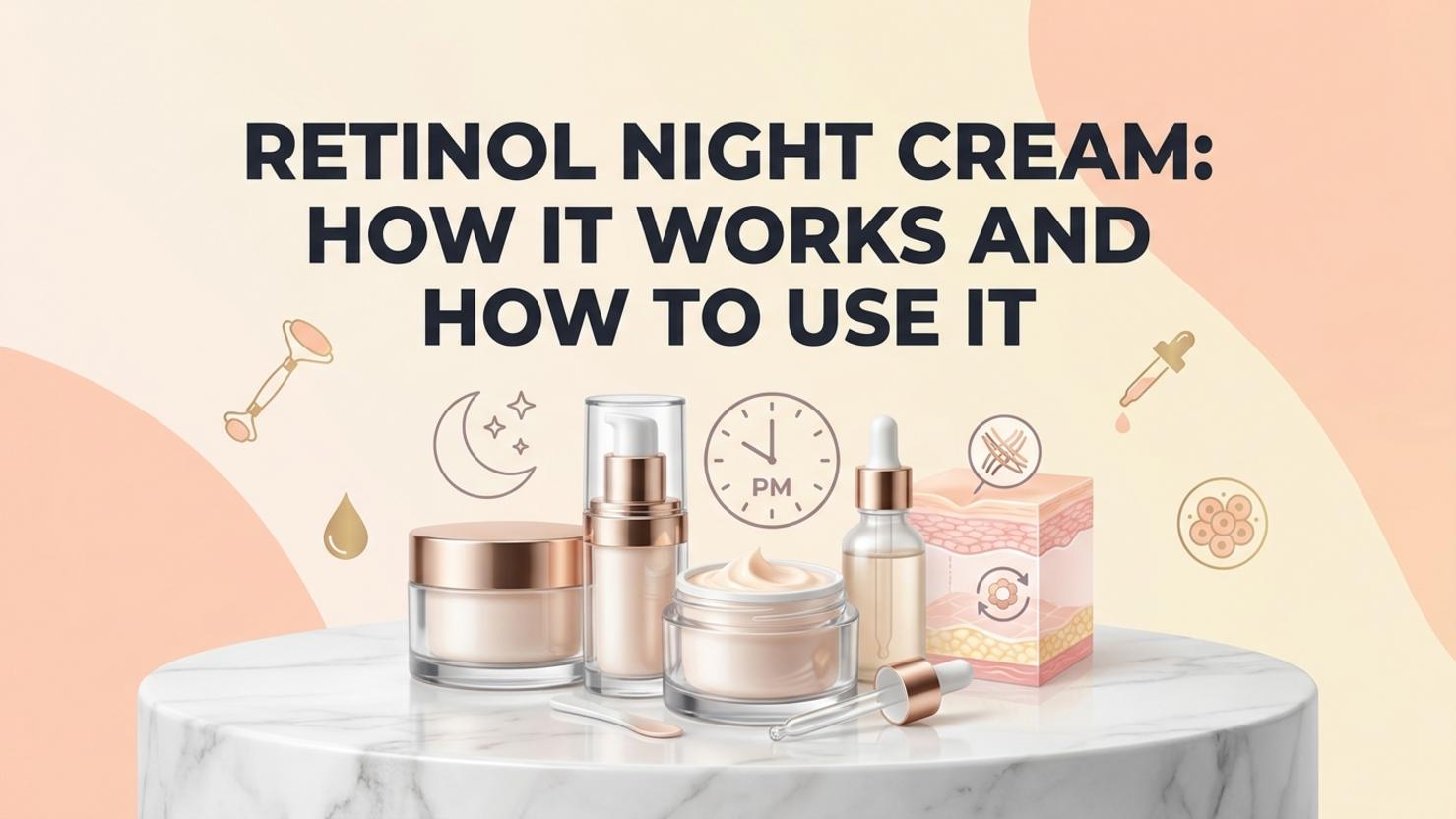
Are you searching for the ultimate nighttime companion to rejuvenate your skin and combat signs of aging? Retinol night creams have gained immense popularity for their ability to transform tired, dull skin into a smooth, glowing complexion. Among the host of choices, the Dot & Key Skincare Retinol + Ceramide Night Repair Cream stands out for its unique blend of retinol and ceramides. In this blog, we’ll explore how retinol night creams work, why you should consider adding them to your routine, the benefits of the Dot & Key formula, and safe, effective ways to use these products for the maximum glow. If you want a skincare boost, keep reading to learn all about the power of retinol night creams!
A retinol night cream is a specialized skincare product designed to work overnight for visible skin improvements. Retinol, a derivative of vitamin A, is celebrated by dermatologists for encouraging skin cell turnover and helping to address problems such as fine lines, uneven tone, and the effects of sun damage. The “night” aspect is crucial because retinol can make your skin more sensitive to sunlight, making nighttime the ideal period for application and repair. Blended with hydrating or barrier-repairing ingredients like ceramides, these creams rejuvenate your skin while you sleep.
Retinol works at the cellular level to stimulate the production of new skin cells, helping to shed dead cells and revealing smoother, younger-looking skin underneath. This ingredient is considered the gold standard for reducing wrinkles, brightening the complexion, and diminishing hyperpigmentation. Here’s how retinol functions in a night cream:
The nighttime application ensures these benefits occur while your skin regenerates, away from sun exposure.
Ceramides are natural lipids found in the outer layer of the skin. They play an essential role in maintaining the skin’s barrier, protecting it from environmental stressors, and preventing moisture loss. When combined with retinol in a night cream, ceramides help offset potential dryness or irritation often associated with retinol, ensuring the skin stays hydrated and calm.
The Dot & Key Skincare Retinol + Ceramide Night Repair Cream cleverly blends powerful retinol with nourishing ceramides to give your skin intensive overnight treatment with minimal irritation. Here’s what makes it a standout choice:
This thoughtfully formulated cream is ideal for those seeking visible results without sacrificing skin comfort.
Integrating retinol night cream into your skincare routine can bring a multitude of benefits, such as:
These results are particularly noticeable with consistent, long-term use.
Getting the best out of your retinol night cream, especially a potent one like Dot & Key Skincare Retinol + Ceramide Night Repair Cream, requires using it thoughtfully. Here are the important steps:
For deeper guidance, you can read more skin and health tips on our Blog.
Retinol night creams are suitable for most adults concerned with signs of aging, uneven skin, or dullness. It can be especially beneficial if you:
Myth 1: Retinol is unsafe for everyone.
Fact: Retinol is considered safe for most people when used as directed. Irritation can occur, but starting slow and combining with ceramides (as in Dot & Key) greatly reduces risks.
Myth 2: More is better.
Fact: Using more than the recommended amount increases irritation, not results. Always stick to pea-sized amounts.
Myth 3: Retinol causes immediate peeling.
Fact: Mild flaking is possible initially, but severe peeling is rare with gentle formulations. Most side effects subside as your skin adjusts.
To maximize benefits and keep your skin comfortable:
These simple habits can greatly enhance your retinol experience.
Some mild, temporary side effects are possible when starting any retinol product, including Dot & Key Skincare Retinol + Ceramide Night Repair Cream. Common symptoms may include:
If these occur, reduce application frequency and top up your nightly routine with a rich, soothing moisturizer. Serious or persistent side effects should prompt a visit to your dermatologist. Avoid combining retinol with strong acids or exfoliants unless your doctor advises it.
Most dermatologists recommend starting retinol in your mid-to-late 20s or early 30s, when the first signs of aging may begin. However, you can benefit at nearly any adult age, depending on your skin goals and sensitivity.
It typically takes 8-12 weeks of regular, proper use to notice smoother, brighter skin and reduced lines. Some effects, like softer skin, may appear sooner, but patience is key for major changes.
It is best to start slowly (2-3 nights per week) until your skin develops tolerance. Over time, most people can increase to nightly use, but always listen to your skin and adjust as needed.
This formula is designed to be gentle, with hydrating ingredients like ceramides to cushion retinol’s effects. If you have very sensitive skin, start on alternate nights and monitor your response.
Mild irritation is common at first but often fades as your skin adjusts. Reduce frequency or temporarily stop and increase moisturizing; if irritation continues or worsens, consult a dermatologist.
Retinol night creams, especially advanced options like Dot & Key Skincare Retinol + Ceramide Night Repair Cream, can be your secret weapon against aging, acne, and dullness. By understanding how retinol and ceramides work together, you’ll give your skin unmatched overnight repair and care. Remember to introduce any new product slowly, keep your routine simple, and always use sunscreen by day. Ready to begin your journey to smoother, radiant skin? Make retinol night cream a staple in your routine and experience the transformation!
Disclaimer: This article is intended for informational purposes only and should not be considered a substitute for professional medical advice. Always consult a qualified healthcare provider for diagnosis and treatment of any health condition.
Our Services
Knowledge Base
Fetured Categories
© 2026 DawaaDost. All rights reserved. In compliance with Drugs and Cosmetics Act, 1940 and Drugs and Cosmetics Rules, 1945, we don't process requests for Schedule X and other habit forming drugs.