logo.webp

Log in To Dawaa Dost

Welcome! Please enter your details

You want to Leave?

  • Home
  • Blog
  • Prednisolone Tablet Uses: Know When It Is Used

Prednisolone Tablet Uses: Know When It Is Used

4 min read

In this blog

  • Introduction
  • What Is Prednisolone and How Does It Work
  • Prednisolone Tablet Uses
  • How Prednisolone Helps in the Body
  • Precautions and Important Points to Remember
  • Conclusion
  • FAQs

Introduction

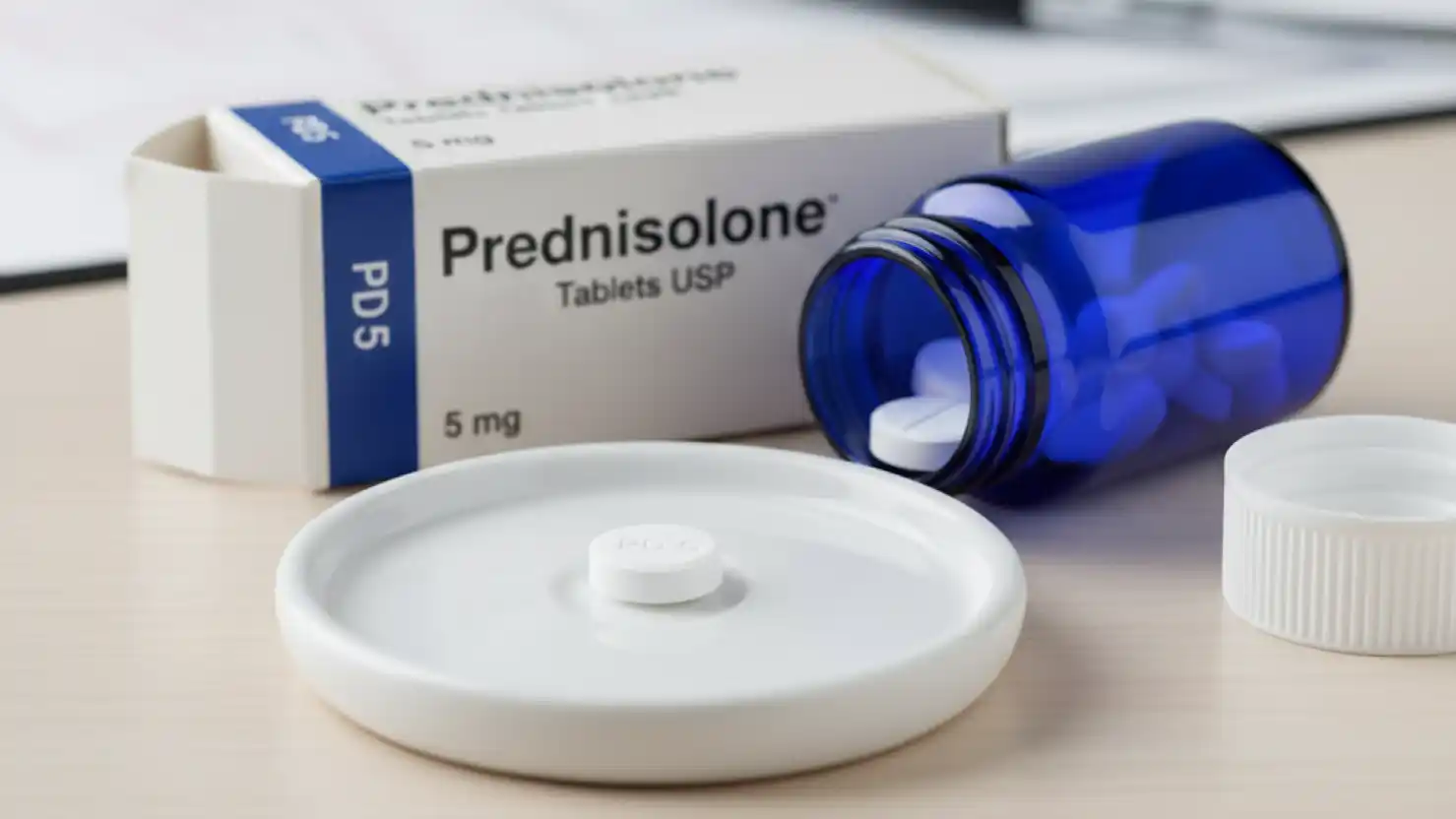
When your body’s immune system or inflammation response goes into overdrive, it can cause problems ranging from breathing issues to joint pain to skin flare-ups. That’s when a medicine like the prednisolone tablet is used. In this article, we explore prednisolone tablet uses, explaining each major use clearly so you understand how and why this medication is prescribed.

Prednisolone is a commonly prescribed corticosteroid, often used to treat various inflammatory and allergic conditions. While it’s a powerful medication, it should always be used under medical guidance. Let’s take a closer look at how it works, the different conditions it helps with, and what you should know before taking it.

What Is Prednisolone and How Does It Work

First, it would be helpful to understand what prednisolone actually does inside the body. Prednisolone belongs to a group of medicines called corticosteroids — synthetic versions of natural hormones produced by your adrenal glands.

These hormones play a vital role in regulating inflammation, immune function, and stress response. Prednisolone works by reducing inflammation and suppressing the immune system’s activity. When the body reacts too strongly to an illness or injury, this medicine helps bring the response back under control.

In simple terms, when your body is “overreacting” — like during an allergy, autoimmune disorder, or flare-up — prednisolone helps calm things down, providing relief and preventing tissue damage.

Prednisolone Tablet Uses

Asthma and Other Respiratory Conditions

One of the most common uses of prednisolone tablets is in treating asthma symptoms and related respiratory problems. During an asthma attack, the airways become inflamed and swollen, making it hard to breathe. Prednisolone reduces this inflammation, eases breathing, and prevents severe flare-ups.

It is often prescribed for short-term use during asthma exacerbations or chronic obstructive pulmonary disease (COPD) flare-ups, especially when inhalers or other medications aren’t enough to control the symptoms.

Allergic Reactions and Severe Allergies

Another key use of prednisolone tablets is to control allergic reactions. When the immune system reacts excessively to allergens like pollen, insect stings, or food, symptoms such as swelling, redness, itching, and breathing difficulty may appear.

Prednisolone helps by calming this overactive immune response and reducing inflammation. It’s particularly useful in severe allergic reactions or when other anti-allergic medications, such as antihistamines, don’t work effectively.

Autoimmune and Inflammatory Diseases

Autoimmune diseases occur when the immune system mistakenly attacks the body’s own cells and tissues. In such cases, immune suppression becomes essential to prevent ongoing damage.

This is one of the most significant prednisolone tablet uses. Conditions that benefit include rheumatoid arthritis, lupus, inflammatory bowel disease, and psoriasis. By reducing inflammation and controlling immune activity, prednisolone helps manage pain, stiffness, swelling, and tissue damage, allowing patients to live more comfortably.

Skin and Eye Disorders

Prednisolone tablets are also used for skin and eye conditions caused by inflammation or immune system activity.

For skin disorders such as eczema, dermatitis, or psoriasis, prednisolone can reduce redness, irritation, and swelling. In eye conditions like uveitis or allergic conjunctivitis, it helps decrease inflammation and discomfort, preserving vision and preventing complications.

However, these treatments are generally short-term and must be closely monitored by a healthcare provider to avoid side effects.

Blood, Bone Marrow, and Transplant-Related Conditions

Some blood and bone marrow disorders, as well as post-transplant care, also fall under prednisolone tablet uses.

Prednisolone helps control the immune system when it attacks the body’s own blood cells or when it might reject a transplanted organ. In transplant cases, it works as part of an immunosuppressive therapy to ensure the new organ isn’t rejected. Because it affects the immune system, these uses require close medical supervision.

Adrenal Insufficiency and Hormonal Disorders

Prednisolone is also used to manage adrenal insufficiency — a condition in which the adrenal glands don’t produce enough natural corticosteroid hormones.

In such cases, prednisolone acts as a hormone replacement to help the body cope with stress, infections, and other physiological demands. It ensures that essential body processes, such as metabolism and immune response, remain balanced.

Gastrointestinal and Lung Inflammatory Conditions

Prednisolone also helps in inflammatory conditions affecting the digestive tract and lungs. In diseases such as ulcerative colitis and Crohn’s disease, it reduces inflammation in the intestines, relieving pain, diarrhoea, and bleeding.

Similarly, in chronic lung diseases beyond asthma — such as certain types of interstitial lung disease — prednisolone helps control inflammation that damages lung tissues, improving breathing and comfort.

Cancer-Related and Other Rare Conditions

Prednisolone tablets may also be used as part of cancer treatment plans or for managing rare disorders involving inflammation.

In some cancers like lymphoma or leukaemia, prednisolone can be used alongside other drugs to reduce inflammation, ease pain, and improve appetite. In rare immune-mediated diseases, it helps slow down the body’s harmful immune attacks, allowing tissues to heal and recover.


How Prednisolone Helps in the Body

Prednisolone doesn’t treat the root cause of every disease, but it helps control the body’s response to inflammation or immune overactivity. Its primary benefits include:

  • Reducing swelling and redness
  • Preventing tissue damage caused by immune reactions
  • Relieving pain and stiffness caused by inflammation
  • Improving breathing in asthma or lung diseases
  • Supporting the body during hormone deficiencies

Because it affects multiple body systems, prednisolone is a versatile medicine, but it must be used responsibly and only under a doctor’s supervision.

Precautions and Important Points to Remember

While prednisolone is highly effective, it must be used carefully. Some key things to keep in mind include:

  • Always take it exactly as prescribed by your doctor.
  • Do not stop taking it suddenly; your dose may need to be reduced gradually.
  • Report any unusual symptoms like mood changes, infections, or swelling to your doctor.
  • Avoid self-medicating or sharing your prescription with others.

Your healthcare provider will guide you on the right dosage, duration, and monitoring required to ensure safe and effective use.

Conclusion

Understanding prednisolone tablet uses helps you see why this medicine is so widely prescribed across different health conditions. From asthma and autoimmune diseases to allergies and hormonal issues, prednisolone plays an important role in controlling inflammation and balancing immune responses.

However, because it is a strong corticosteroid, it should always be taken under medical supervision. Follow your doctor’s advice carefully, avoid abrupt discontinuation, and report any side effects promptly.

Used correctly, prednisolone can help you recover faster, manage chronic conditions better, and improve overall quality of life.

Prednisolone Tablets are readily available on Dawaa Dost. And if you're concerned about Prednisolone Tablet price, discounts are waiting! Explore now!

FAQs

Q1: What are prednisolone tablets used for?
A1: They are used to reduce inflammation and suppress overactive immune responses in various conditions like asthma, arthritis, and allergies.

Q2: Can prednisolone help with skin problems?
A2: Yes, it is used to treat inflammatory skin conditions like eczema, dermatitis, and psoriasis.

Q3: Is prednisolone safe for long-term use?
A3: Long-term use is possible only under medical supervision, as it can cause side effects if not monitored properly.

Q4: Can I stop taking prednisolone suddenly?
A4: No, the dose should be reduced gradually under a doctor’s advice to avoid withdrawal symptoms.

Q5: Does prednisolone treat infections?
A5: No, it helps control inflammation but doesn’t cure infections. In fact, it may lower your ability to fight infections.

Q6: Is prednisolone the same as other steroids?
A6: It’s a type of corticosteroid, different from anabolic steroids used for muscle growth. Its main role is to control inflammation and immune responses.


Disclaimer: This article is intended for informational purposes only and should not be considered a substitute for professional medical advice. Always consult a qualified healthcare provider for diagnosis and treatment of any health condition.

Popular Products