Cramps are a common experience for many women, but not all cramps are the same. While most associate cramps with their menstrual cycle, similar sensations can also occur in early pregnancy. Understanding the difference between period cramps and early pregnancy cramps can help you identify what your body is trying to tell you. But how do you know which type of cramps you're experiencing?
In this article, we’ll explore the key differences between period cramps and early pregnancy cramps, how they feel, and what other symptoms to watch for to better understand what’s going on with your body.
What Are Period Cramps?
Period cramps, or dysmenorrhea, are the cramps women feel in their lower abdomen just before or during their period. They are caused by the uterus contracting to shed its lining. The prostaglandins—hormone-like substances involved in pain and inflammation—trigger the uterine muscles to contract, causing discomfort or pain in the lower belly, back, or thighs.
How Period Cramps Feel
- Timing: Period cramps typically start 1-2 days before your period and continue for the first 2-3 days of menstruation.
- Location: They are most commonly felt in the lower abdomen but can also radiate to the lower back and thighs.
- Type of Pain: Period cramps are often described as throbbing or dull, ranging from mild discomfort to severe pain.
- Duration: The pain usually lasts for a few days, but it can vary from person to person.
Some women may also experience other symptoms along with period cramps, such as:
- Headaches
- Nausea
- Fatigue
- Diarrhea
What Are Early Pregnancy Cramps?
Early pregnancy cramps can feel similar to period cramps but occur for different reasons. During early pregnancy, your body undergoes many changes to support the growing embryo. These cramps are often due to the implantation of the fertilized egg in the uterine lining and the stretching of the uterus as it starts to grow.
How Early Pregnancy Cramps Feel
- Timing: Early pregnancy cramps can begin as early as 6-12 days after conception, often around the time your period would normally be due.
- Location: Like period cramps, early pregnancy cramps are typically felt in the lower abdomen or pelvic region.
- Type of Pain: The pain is usually mild to moderate and feels like a pulling, tugging, or stretching sensation. Some women describe it as similar to light period cramps.
- Duration: These cramps may come and go and are often shorter in duration compared to period cramps.
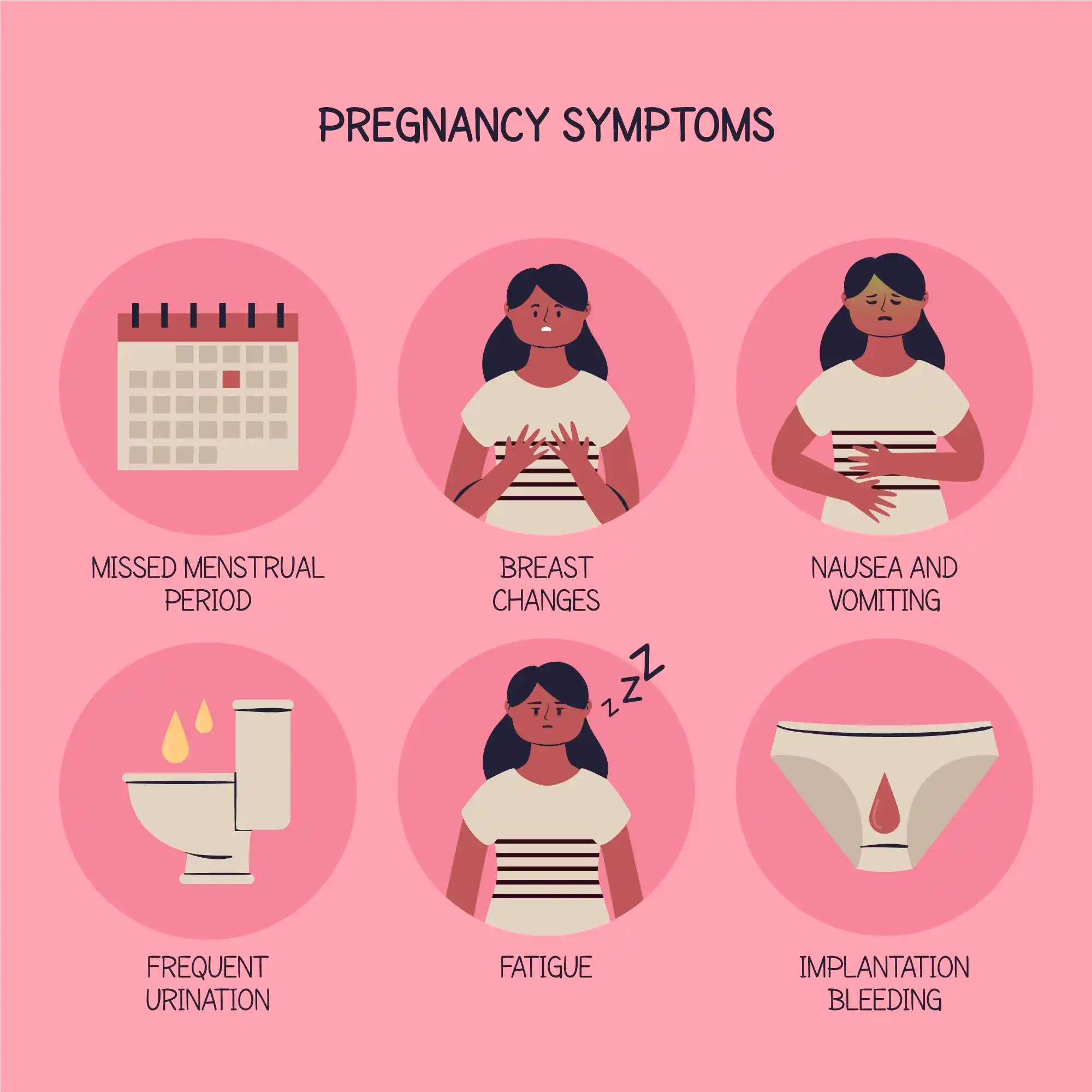
In addition to cramps, early pregnancy often includes other symptoms such as:
- Spotting (implantation bleeding)
- Breast tenderness
- Nausea or morning sickness
- Increased urination
- Fatigue
Key Differences Between Period Cramps and Early Pregnancy Cramps
Although period cramps and early pregnancy cramps can feel very similar, there are some key differences that can help you distinguish between the two.
1. Timing
- Period cramps: Typically occur just before or during your period, usually around days 1-3 of menstruation.
- Pregnancy cramps: Can begin around the time of implantation, which is typically 6-12 days after ovulation, and can be mistaken for period cramps since they occur around the time of your expected period.
2. Duration
- Period cramps: Last for a few days, often getting worse as your period starts and then easing off as it progresses.
- Pregnancy cramps: Usually shorter and milder, often described as a pinching or pulling feeling that doesn’t last as long as period cramps.
3. Pain Intensity
- Period cramps: Can range from mild to severe. Some women experience sharp, intense pain, while others have milder, dull aches.
- Pregnancy cramps: Typically milder and more of a dull ache or stretching sensation. If the cramps are severe during early pregnancy, it’s important to consult a healthcare provider, as this could signal a complication.
4. Associated Symptoms
- Period cramps: Usually accompanied by typical PMS symptoms such as bloating, irritability, headaches, and breast tenderness.
- Pregnancy cramps: Often accompanied by early pregnancy symptoms, such as nausea, fatigue, frequent urination, and spotting (known as implantation bleeding).
Implantation Cramps: A Sign of Early Pregnancy?
One of the earliest signs of pregnancy is often implantation cramps. When the fertilized egg attaches to the uterine lining, some women feel mild cramping, which can be mistaken for period cramps. These cramps typically occur about 6-10 days after ovulation and are often accompanied by implantation bleeding, which is light spotting that lasts a day or two.
Implantation cramps are generally mild and last for a short time. They are usually not as painful as period cramps and don’t last as long. Implantation bleeding is also much lighter than a period and shouldn’t be confused with the start of menstruation.
Other Symptoms to Watch For
If you’re trying to determine whether your cramps are from an impending period or early pregnancy, other symptoms can give you more clues:
1. Breast Changes
- PMS: Breasts may feel tender, swollen, or heavy in the days leading up to your period.
- Early Pregnancy: Breasts may feel unusually sore, tingly, or sensitive, particularly around the nipples, and this can persist for weeks as your body adjusts to pregnancy hormones.
2. Fatigue
- PMS: You may feel tired or sluggish due to hormonal changes in the days before your period.
- Early Pregnancy: Fatigue is often more extreme in early pregnancy as your body begins supporting the growing embryo, and it can be a persistent feeling rather than a premenstrual fluctuation.
3. Nausea
- PMS: Nausea is not a common symptom of PMS, though some women may experience an upset stomach or digestive changes.
- Early Pregnancy: Morning sickness or nausea often starts around week 6 of pregnancy, though it can begin earlier for some women.
4. Spotting or Bleeding
- PMS: If you spot before your period, it’s often a sign that your period is about to start.
- Early Pregnancy: Light spotting (implantation bleeding) can occur when the fertilized egg attaches to the uterus. This bleeding is usually lighter and shorter than a regular period.
When to Take a Pregnancy Test
If you're unsure whether you're experiencing period cramps or early pregnancy cramps, a pregnancy test can provide clarity. Home pregnancy tests detect the presence of human chorionic gonadotropin (hCG), a hormone produced during pregnancy, in your urine. It's best to take the test after you've missed your period for the most accurate results, usually around 10-14 days after ovulation.
If your cramps are accompanied by unusual symptoms, such as severe pain, heavy bleeding, or persistent nausea, it’s important to speak to your healthcare provider for further evaluation.
When to See a Doctor
If your cramps are unusually severe or if you suspect you might be pregnant, it’s a good idea to consult with your healthcare provider. Severe cramping during early pregnancy could indicate an issue such as ectopic pregnancy (where the fertilized egg implants outside the uterus) or other complications that require immediate medical attention.
On the other hand, if your period cramps are interfering with your daily life, you may want to discuss treatment options with your doctor, as severe dysmenorrhea can sometimes be a sign of underlying conditions like endometriosis.
Conclusion
While period cramps and early pregnancy cramps can feel similar, understanding their differences can help you better interpret what your body is experiencing. Period cramps are usually more intense and last longer, whereas early pregnancy cramps tend to be milder and shorter in duration. Other symptoms, such as breast changes, spotting, and nausea, can provide additional clues as to whether your cramps are due to PMS or early pregnancy.
If you’re trying to conceive or suspect you may be pregnant, taking a pregnancy test and consulting with your healthcare provider can give you a definitive answer. Whether it’s PMS or pregnancy, knowing the signs can help you stay informed and prepared for the next step.
For more insights into women’s health and pregnancy, visit Dawaadost, your trusted source for expert advice and healthcare products.
Attribution: The blog image has been take from Freepik.




 0
0