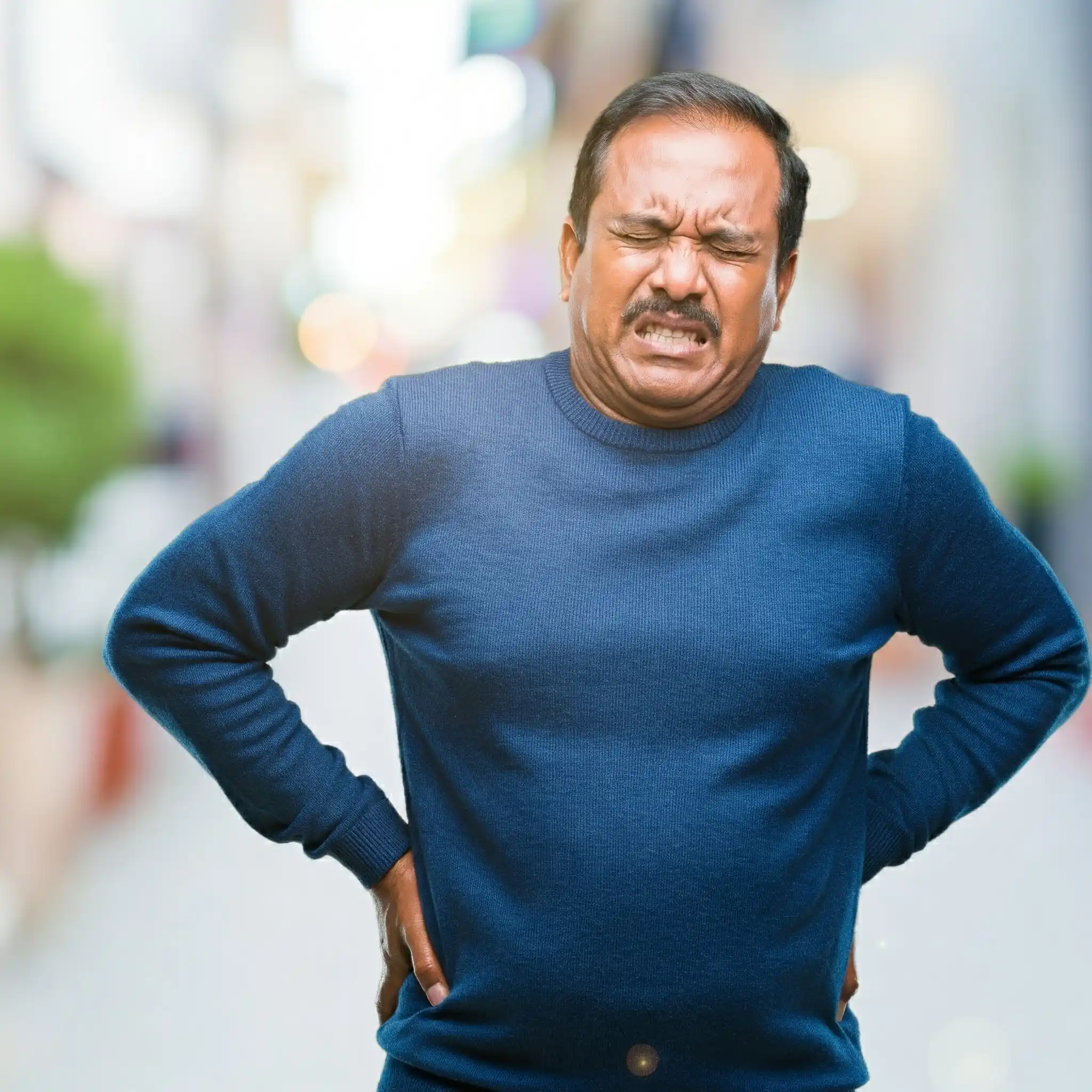
Muscle pain, or myalgia, is an incredibly common experience. Whether it's that familiar soreness after a good workout, a sharp twinge from an unexpected movement, or a dull ache that seems to linger for days, most of us have been there.
While muscle pain is usually temporary, it can range from a minor annoyance to something that significantly impacts your daily life. Understanding the causes and knowing effective strategies for muscle pain relief can help you get back to feeling your best.
What Causes Muscle Pain?
Muscle pain can arise from a wide range of sources, including:
Overuse or Strain
This is one of the most frequent culprits. Pushing your muscles too hard during exercise, lifting heavy objects, or engaging in repetitive motions can lead to microscopic tears in muscle fibers, resulting in inflammation and pain. This type of pain is often delayed, appearing a day or two after the activity.
Injury
Sudden injuries like sprains, strains, and bruises can cause immediate and intense muscle pain. Sprains involve the stretching or tearing of ligaments (tissues connecting bones), while strains affect muscles or tendons (tissues connecting muscles to bones). Bruises occur when small blood vessels under the skin break due to impact.
Tension and Stress
When we're stressed, we often unconsciously tense our muscles, particularly in the neck, shoulders, and back. This chronic tension can lead to pain, headaches, and even difficulty sleeping.
Medical Conditions
A number of medical conditions can cause muscle pain.
- Fibromyalgia: This chronic condition is characterized by widespread musculoskeletal pain accompanied by fatigue, sleep, memory, and mood issues.
- Chronic Fatigue Syndrome: This debilitating disorder involves persistent fatigue that is not relieved by rest, along with muscle and joint pain.
- Autoimmune Diseases: Conditions like lupus and rheumatoid arthritis can cause the immune system to attack healthy tissues, including muscles, leading to pain and inflammation.
- Infections: Viral or bacterial infections, such as the flu, can cause muscle aches and pains as part of a general inflammatory response.
- Electrolyte Imbalances: Electrolytes like potassium and calcium are essential for proper muscle function. Imbalances can lead to muscle cramps and weakness.
- Dehydration: Water plays a vital role in muscle function, and dehydration can contribute to muscle cramps and soreness.
Medications
Certain medications, including statins (cholesterol-lowering drugs) and some blood pressure medications, can have muscle pain as a side effect.
Home Remedies for Muscle Pain Relief
Fortunately, many cases of muscle pain respond well to self-care measures. Here are some effective home remedies for muscle pain relief:
Rest
This is crucial, especially in the initial stages of muscle pain. Avoid activities that aggravate the pain and allow your muscles time to heal. Depending on the severity, this might mean complete rest or simply modifying your activities.
Ice
Applying ice packs to the affected area can significantly reduce inflammation and numb the pain. Wrap the ice pack in a thin towel to protect your skin and apply it for 15-20 minutes at a time, several times a day.
Heat
Once the initial inflammation has subsided (usually after 48 hours), applying heat can help relax muscles, increase blood flow, and promote healing. Use a heating pad, warm compress, or take a warm bath.
Gentle Stretching
Light stretching can improve flexibility, reduce stiffness, and prevent further injury. Focus on slow, gentle movements and avoid bouncing or pushing yourself too hard.
Over-the-Counter Pain Relievers
Nonsteroidal anti-inflammatory drugs (NSAIDs) like ibuprofen or naproxen can help reduce pain and inflammation. Acetaminophen can also be effective for pain relief. Always follow the recommended dosage and consult your doctor if you have any concerns.
Topical Pain Relievers
Pain relief sprays like Volini spray, containing NSAIDs, or creams and gels containing menthol or capsaicin can provide temporary pain relief by creating a sensation of heat or cold that distracts from the pain signals.
Elevation
If the pain is in your legs or arms, elevating the affected limb can help reduce swelling and promote fluid drainage. Use pillows to prop up the limb so that it's above the level of your heart.
Hydration
Drinking plenty of water is essential for muscle function and recovery. Dehydration can worsen muscle pain and cramps. Aim to drink water throughout the day, especially before, during, and after exercise.
Massage
Gentle massage can help relax muscles, improve blood flow, and reduce pain. You can try self-massage or seek professional help from a massage therapist.
Muscle Pain Relief After Exercise
Delayed onset muscle soreness (DOMS) is that familiar ache that sets in a day or two after a workout. It's a normal response to muscle exertion, especially when you try a new activity or increase the intensity of your workouts. While it can be uncomfortable, DOMS usually subsides on its own within a few days. Here are some tips to help ease post-exercise muscle pain:
- Light Activity: While you might be tempted to completely rest, light activity like walking or gentle stretching can actually help reduce DOMS by increasing blood flow to the muscles.
- Warm Baths or Showers: Soaking in a warm bath or taking a warm shower can help relax muscles and ease soreness.
- Foam Rolling: Using a foam roller can help release muscle tension and improve blood flow.
- Proper Nutrition: Eating a healthy diet with adequate protein can help support muscle recovery.
When to Visit Your Doctor
While home remedies are often effective for muscle pain relief, it's important to know when to seek professional medical advice. Consult a doctor if:
- Your pain is severe or persistent.
- You have signs of infection, such as redness, swelling, or warmth.
- Your pain is accompanied by weakness or numbness.
- You suspect you may have a serious underlying medical condition.
- Your pain doesn't improve after a week of home treatment.
- You experience any other concerning symptoms.
In Conclusion
Muscle pain is a common part of life, but it doesn't have to control you. By understanding the causes and utilizing appropriate home remedies, you can often find effective muscle pain relief and get back to your normal activities.
However, it's important to remember that not all muscle pain is the same. If you're concerned about your pain or it's not responding to home treatment, don't hesitate to seek medical advice.
Looking for affordable pain relief medicines and healthcare products but don't know where to buy them? Check out our Dawaa Dost website where we make quality and affordable medicines accessible to all!
Sources:
https://my.clevelandclinic.org/health/symptoms/myalgia-muscle-pain
https://www.healthline.com/health/muscle-aches



 0
0