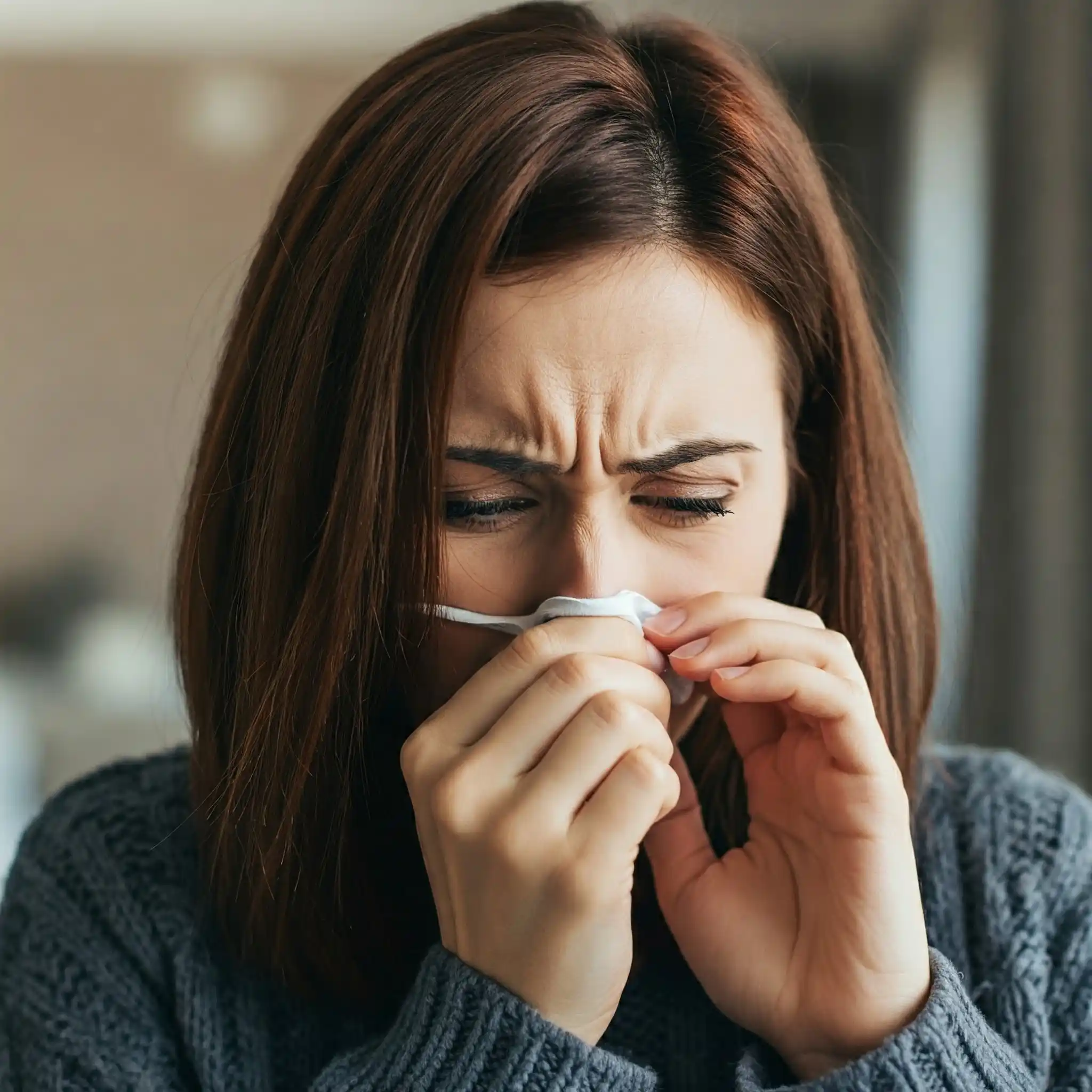
Many women have breast pain as a premenstrual symptom. Do you, too, experience breast pain before period every month but don’t know whether it is normal or not? Well, you have landed on the right page! In this write-up, we will be discussing what breast pain before periods feels like, whether it is normal or not, what causes the soreness, and what you can do about it.
Symptoms of Breast Pain Before Period
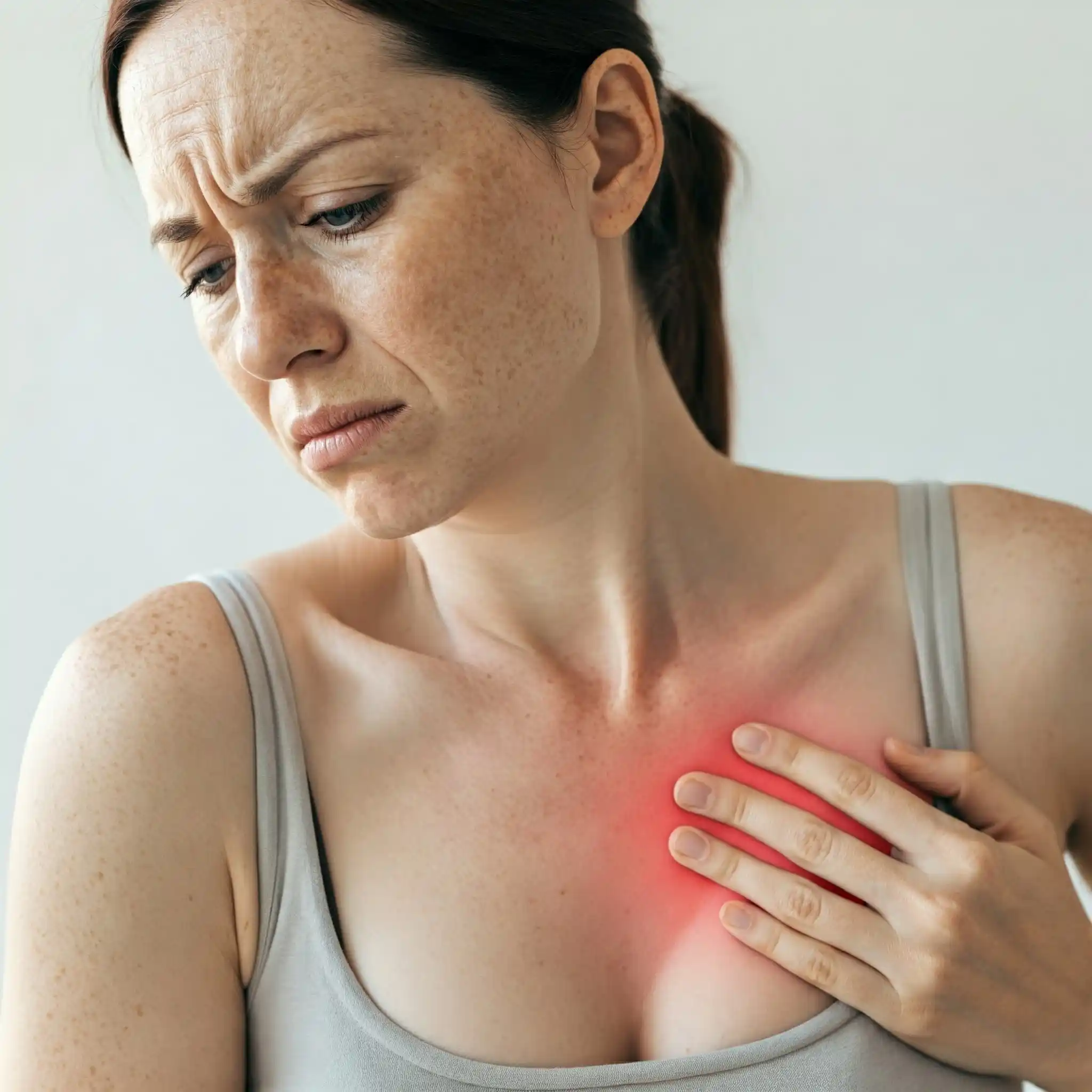
Breast pain usually appears a week or so before the start of periods and goes away as soon as you start menstruating or may continue a day or two more. It may appear as a dull, achy pain or may feel tender and sore to touch. Your breasts may be heavier than usual, and the breast tissue may feel dense and bumpy to the touch.
The pain and soreness affect one or both breasts and are generally not severe.
Is Breast Pain Before Period Normal?
Here’s the good news! Breast pain or painful boobs before periods is usually normal and affects many women. So, in case you were wondering if you were the only one going through this, rest your fears. This premenstrual symptom is also referred to as cyclic breast pain and is most common in women aged 20-50. It often gets better as you grow older and get closer to menopause.
What Causes Breast Pain Prior to Period?
The main reason why women experience cyclic mastalgia or breast pain before their monthly cycle is hormonal fluctuation. A woman’s body goes through a series of hormonal changes every month. In the luteal phase, i.e., the last phase of the menstrual cycle, the levels of oestrogen and progesterone hormones rise and then fall. Oestrogen levels peak around the middle of the cycle while progesterone levels rise close to the end.
These changes affect the breasts as well and turn them heavy, painful, tender, and sore. Breast ducts enlarge due to high oestrogen levels, and the milk glands also swell due to high progesterone levels.
All these changes impact your breasts and cause breast tenderness before menstruation.
How to Relieve Sore Breasts Before Period?
Not all women experience the same degree of breast pain before menses. For some, the pain is mild, while others may have moderate to severe pain. If your breast hurt before period but the pain is mild, you may try the following self-care remedies:
Wear a comfortable and supportive bra
You might want to get yourself a new supportive bra that fits well for days when you deal with breast pain. You could get a bigger-sized bra so it accommodates and supports your breast tissue and doesn’t let it sway and hurt when you’re moving around or sleeping.
Limit your caffeine intake
Caffeine is thought to increase breast tenderness prior to periods. So, don’t drink as many teas and coffees as you normally do to stop the pain from worsening.
Start consuming less salt
Salt causes water retention in the body. Eating less salt 1-2 weeks before your period can help curb water retention and cause less pain and swelling in your breast tissue.
Use heat or cold therapy for relief
Cover your breast with a layer of cloth and apply a hot or cold compress over it. Do this for 10-15 minutes to soothe your sore breasts. Never apply the compress directly on your breast when employing heat or cold therapy for pain relief.
Eat a healthy, low-fat diet
High-fat content in food can also increase your breast discomfort. Try limiting fat-dense foods in your diet and opting for healthier alternatives like fruits, vegetables, whole grains, etc. These foods will fuel your body and help fight discomfort.
Try supplements
Some studies have noted that vitamin E and magnesium supplements can help relieve PMS symptoms, including breast pain. The suggested dose is 400 IU of vitamin E and 400 mg of magnesium every day. It is best to ask your doctor if supplementation is right for you. Alternatively, eating a diet rich in these nutrients can also help in easing your symptoms.
When Self-Care Remedies Aren’t Enough
If simple home remedies are not providing you with the desired relief, you may try other treatment options. These include:
OTC pain medications
Over-the-counter pain relievers like paracetamol (acetaminophen) or ibuprofen can reduce pain and discomfort associated with cyclic breast pain. You may ask your doctor how often and how many tablets you should take in a 24-hour period.
Birth control pills
Your doctor may prescribe birth control pills to keep check on your hormonal fluctuations and the breast pain caused by it. Never take these pills on your own and always talk to your doctor for a suggestion.
Diuretics
In some cases of moderate to severe breast pain, doctors may prescribe diuretics to ease the discomfort. These medications increase urine output and prevent water retention, which can add to the discomfort caused before periods.
How to Know if Your Breast Pain Needs Medical Attention?
Look for these signs to know if it’s time to see your doctor for breast pain:
- A new lump or changing lump on your breast
- Lump in only one of your breasts
- A brown or bloody discharge oozing out of your nipple
- Breast pain that interferes with daily activities
- Redness in the breast along with a fever
- Pain that lasts longer than your periods
After a quick discussion, your doctor will likely conduct a physical exam, which may include a breast exam, to evaluate your condition. You may be advised to get an ultrasound, mammogram, or biopsy to check for serious health conditions.
Summing Up
Breast pain before periods, also known as cyclic breast pain or cyclic mastalgia, is a common premenstrual symptom that impacts the lives of several menstruating females. The pain appears a week or so before periods and stops once you start menstruating. Sometimes, it may continue for a few days longer. But it usually subsides once your periods end. The main cause behind breast tenderness before menses is hormonal changes in the body.
While it is normal to have sore breasts before periods, one must know when to seek medical advice. Learning how to perform a breast self-exam can further help you note any unusual changes in your breasts so you can inform your doctor at the earliest.
FAQs
Why do my breasts hurt and feel heavy?
Changing hormone levels in the body is a common cause of cyclic breast pain and heaviness.
When should I be concerned about breast pain?
If your breast pain impacts your daily life, worsens over time, does not stop after your period ends, or is restricted to one area of the breast, see a doctor.
How many days before period is breast pain?
Period-related breast pain may start up to 2 weeks before your period date. However, it is more prominent 3-5 days before your period.
For more health-related content, visit our Dawaa Dost website. You will also get access to quality medicines and healthcare products, all at affordable prices. Check it now!




 0
0