logo.webp

Log in To Dawaa Dost

Welcome! Please enter your details

You want to Leave?

  • Home
  • Blog
  • Insulin Pens: Types, Usage, and Top Choices for Diabetics

Insulin Pens: Types, Usage, and Top Choices for Diabetics

5 min read
In this blog

  • Introduction
  • What Are Insulin Pens?
  • Types of Insulin Pens
  • Features of Insulin Pens
  • How to Use an Insulin Pen
  • Practical Tips for Injection
  • Common Mistakes to Avoid
  • Myths vs Facts About Insulin Pens
  • Choosing the Right Insulin Pen
  • Top Insulin Pen Options Available in India
  • Conclusion
  • FAQs

Introduction

Managing diabetes effectively requires a comprehensive understanding of the tools available. One of the most vital tools for diabetic patients is insulin pens. In recent years, insulin pens have become increasingly popular due to their convenience and ease of use. This guide will cover everything you need to know about insulin pens, including the various types available, how to use them properly, and the best options in the market tailored specifically for the Indian audience.

What Are Insulin Pens?

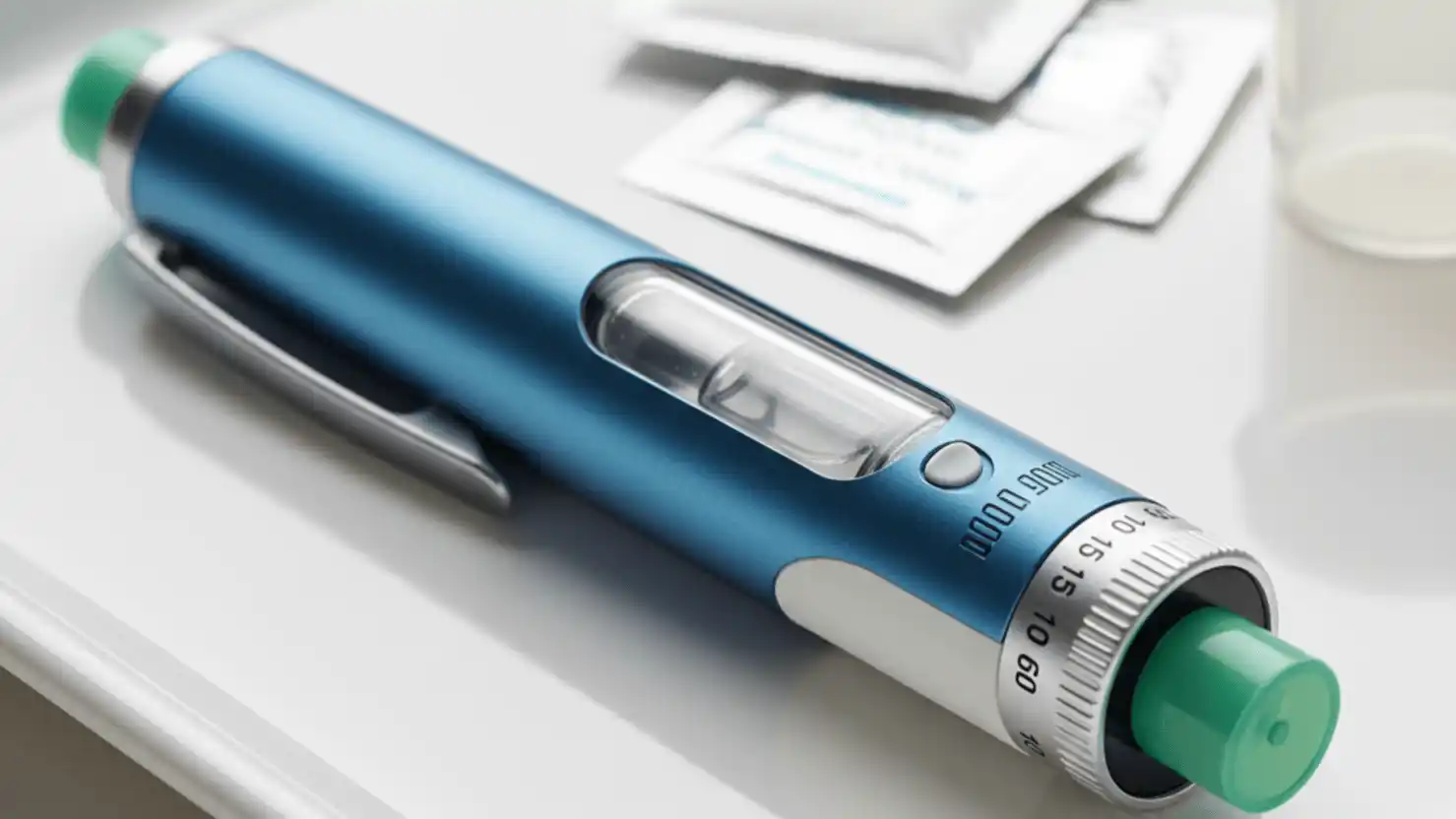
Insulin pens are medical devices that allow diabetics to inject insulin easily and accurately. They come pre-filled or refillable, simplifying the overall process of insulin administration. The increasing adoption of insulin pens can be attributed to their user-friendly design, particularly for those who are new to insulin therapy.

Types of Insulin Pens

Insulin pens can be broadly classified into two categories:

  • Disposable Insulin Pens
    These pens come pre-filled with insulin and are meant to be disposed of after use. They are cost-effective and easy to use, making them a popular choice among first-time users.
  • Multi-dose Reusable Insulin Pens
    These pens are refillable, allowing users to replace the insulin cartridge within the device. They may be a little more complex but offer better long-term savings.

Each category includes several different types of pens suited for various insulin regimens, making it crucial to understand which pen is best for your specific needs.

Features of Insulin Pens

When considering an insulin pen, keep an eye out for these important features:

  • Dosing Accuracy: A reliable pen allows for precise measurements, which is crucial for effective diabetes management.
  • Ease of Use: Look for pens with easy-to-read dosage markings and comfortable grips.
  • Needle Compatibility: Ensure that the pen is compatible with your preferred needle length and gauge.
  • Storage and Portability: Consider pens that can be easily stored and transported, especially if you travel frequently.

How to Use an Insulin Pen

Using an insulin pen may seem daunting at first, but it can be mastered quickly. Follow these simple steps for a successful injection:

Prepare the Pen

  • Wash your hands thoroughly.
  • Remove the cap from the pen and check the insulin. Make sure it is clear and not expired.
  • Attach a new needle to the pen, ensuring it is securely in place.

Prime the Pen

  • Dial the pen to 2 units and press the button to ensure that a drop of insulin appears at the needle's tip.
  • This step ensures that the pen is functioning properly and is ready for use.

Choose an Injection Site

  • Common sites include the abdomen, thighs, or upper arms.
  • Rotate the injection site to avoid lipodystrophy (changes in fat tissue).

Administer the Insulin

  • Pinch the skin to create a fold (if necessary), insert the needle at a 90-degree angle, and press the button slowly until it stops.
  • Wait a few seconds before withdrawing the needle to ensure complete delivery of insulin.

Clean Up

  • Dispose of the needle in a sharps container.
  • Replace the pen cap.

Practical Tips for Injection

  • Change needles after every use to avoid contamination and ensure proper delivery.
  • Keep the pen at room temperature for optimal insulin effectiveness.
  • Double-check dosages to prevent mistakes, especially when switching between different types of insulin.

Common Mistakes to Avoid

While using insulin pens, it’s easy to make a few mistakes. Here’s what to watch out for:

  • Inadequate priming: Skipping this step can lead to inaccurate insulin doses.
  • Not rotating injection sites: This can cause tissue damage over time.
  • Using expired insulin: Always check expiry dates to avoid ineffective treatment.
  • Improper storage: Insulin should be stored between 2°C and 8°C (unless brought to room temperature for use).

Myths vs Facts About Insulin Pens

Myth 1: All insulin pens are the same.

Fact: Variability exists in insulin pens, including their mechanisms, types of insulin they hold, and dosage capabilities.

Myth 2: You can use any pen for any type of insulin.

Fact: Certain pens are designed specifically for specific insulins; always check compatibility.

Myth 3: Using an insulin pen is complicated.

Fact: Insulin pens are designed for user-friendliness, allowing easy management of diabetes.

Myth 4: Insulin pens require no training.

Fact: Proper training on using insulin pens is crucial for efficacy and safety.

Choosing the Right Insulin Pen

It is important to have a dialogue with your healthcare provider about which insulin pen will work best for you. Factors to consider include:

  • Your insulin regimen: Different pens are designed for various types and combinations of insulin, such as rapid-acting, long-acting, or premixed varieties. Choosing the right one ensures accurate dosing and better blood sugar control. Some pens are reusable with replaceable cartridges, while others are disposable, which may affect convenience and frequency of use.
  • Ease of use: Comfort and usability play a big role in daily management. Look at pen size, grip design, and how easily you can dial and read the dosage. Needle attachment should be simple and secure, especially for those with vision or dexterity challenges. A user-friendly pen can make regular injections less stressful and more consistent.
  • Budget: Insulin pen prices can differ based on brand, type, and features. Check if your health insurance covers the pen and related supplies. If not, ask your provider about affordable alternatives or patient assistance programs. Balancing effectiveness with cost is key for long-term use.

Top Insulin Pen Options Available in India

When selecting the best insulin pen, it is essential to consider your medical needs and personal preferences. Here are some top choices available in India:

ALLSTAR Reusable Insulin Pen

  • Description: A sturdy, reusable insulin pen compatible with 3 ml cartridges of various insulins from Sanofi, designed for long-term use and cost savings.
  • Pros: Economical over time, reliable build, smooth cartridge replacement, and consistent dosing accuracy.
  • Cons: Cartridges must be purchased separately; first-time users may need training.

Fiasp FlexTouch

  • Description: A prefilled disposable insulin pen delivering Fiasp (faster-acting insulin aspart), designed for mealtime glucose control.
  • Pros: Ready-to-use, comfortable grip, low injection force, and precise dose delivery.
  • Cons: Limited to Fiasp insulin only; cannot be reused.

Lantus Solostar Solution for Injection

  • Description: A disposable prefilled pen containing Lantus (insulin glargine), a long-acting insulin for once-daily use.
  • Pros: Simple to use, portable, and ensures steady insulin release.
  • Cons: Restricted to Lantus only; not suitable for those needing multiple insulin types.

Humalog Kwikpen

  • Description: A disposable prefilled pen containing Humalog (insulin lispro), a rapid-acting insulin used before meals.
  • Pros: Portable, easy to use, quick onset of action, and flexible for dose adjustments.
  • Cons: Requires frequent monitoring to avoid hypoglycemia.

NovoPen 6

  • Description: A next-generation reusable insulin pen with digital memory function that automatically records the last dose and time.
  • Pros: Accurate dosing, easy to track injections, durable design, and no charging required.
  • Cons: Higher price compared to standard pens.

Conclusion

Insulin pens are a fundamental component in managing diabetes effectively and conveniently. Understanding the various types, knowing how to use them properly, and selecting the right pen for your needs can greatly enhance your quality of life.

Embracing this technology not only boosts adherence to diabetes management but also provides flexibility in today's fast-paced world. Whether you are presently using an insulin pen or considering one for the first time, ensure to educate yourself and consult your healthcare professional for the best results.

By enhancing your insulin administration process, you can focus more on enjoying life and less on your diabetes management. Keep monitoring your health, stay informed, and make the best choices for your lifestyle!

FAQs

How do I know which pen is right for my type of insulin?
Consult with your healthcare provider to discuss your insulin regimen and get recommendations based on your specific needs.

Can I use a reusable pen for different types of insulin?
Yes, as long as the pen is compatible with those insulin types. Always check compatibility before refilling.

What should I do if my pen is not delivering insulin?
Make sure the pen is primed correctly or check if the needle is attached properly. If problems persist, consult a pharmacist.

How often should I change the needle on my insulin pen?
100% of the time after every injection to reduce the risk of infection and ensure accurate doses.

Can I travel with my insulin pen?
Yes, but make sure to pack it properly, ideally with a cooling device, to keep insulin at room temperature.

Is it necessary to refrigerate the insulin pen?
Unlike the unopened pen that should be refrigerated, opened insulin pens can be stored at room temperature for up to 28 days depending on the type of insulin.

How do I dispose of used needles?
Always use a sharps container to dispose of needles safely, which can be found at pharmacies or medical supply stores.

Can I comfortably inject insulin anywhere?
While you can inject in nearly any body part, the most common and recommended sites include the thigh, abdomen, and upper arm.


Disclaimer: This article is intended for informational purposes only and should not be considered a substitute for professional medical advice. Always consult a qualified healthcare provider for diagnosis and treatment of any health condition.

Popular Products