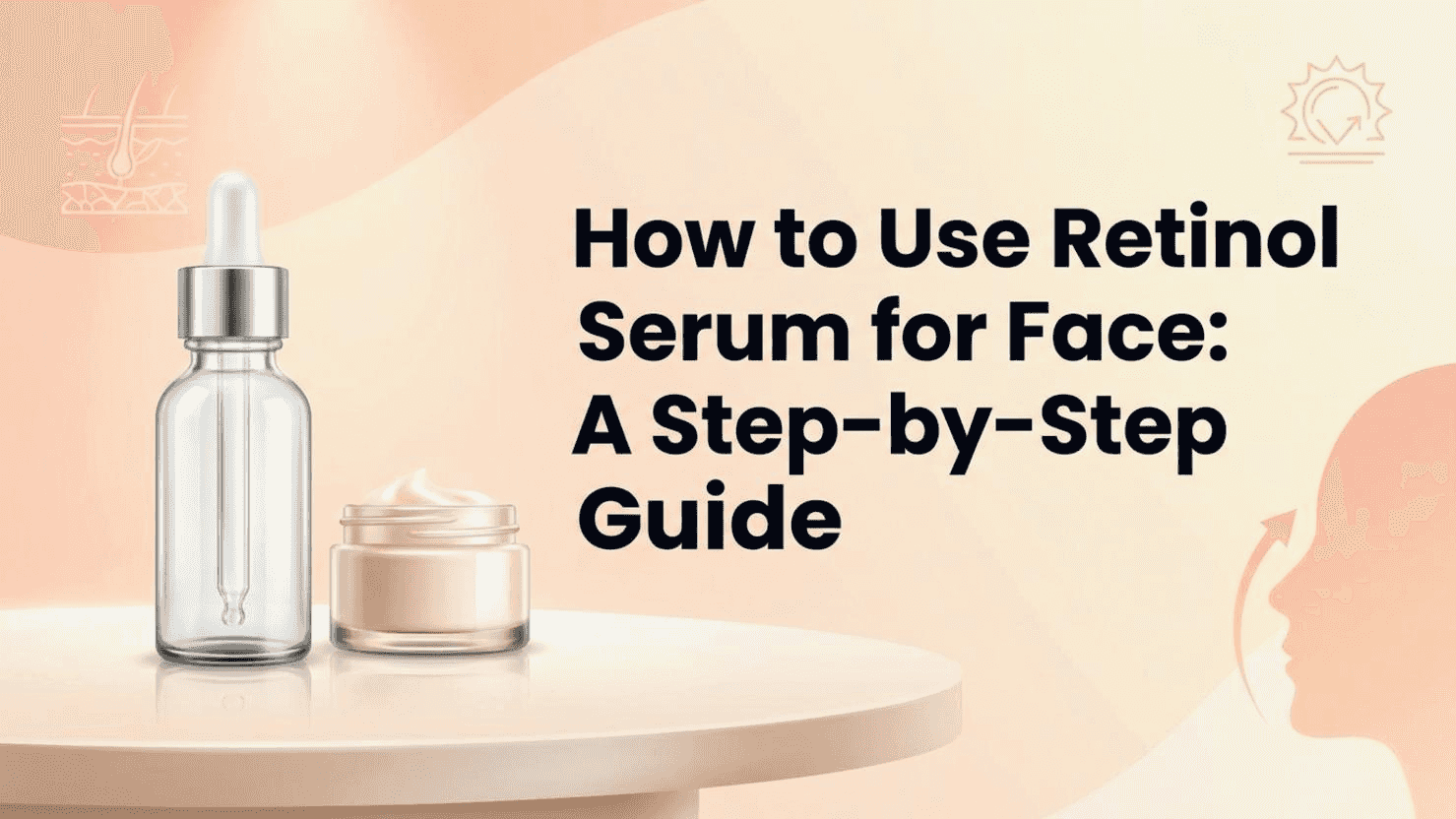
Achieving clear, youthful, and radiant skin is a common skincare goal for many. With the growing popularity of retinol products in the world of dermatology and skincare, understanding how to use them properly has become crucial. Retinol, a powerful derivative of vitamin A, is known for its ability to target signs of ageing, acne, and uneven skin tone. In this guide, we will walk you through everything you need to know about incorporating the Minimalist Retinol 0.3% Face Serum into your daily routine. Whether you're new to retinol or seeking to get the best results from your serum, this comprehensive step-by-step guide and expert advice will equip you with all the knowledge you need for healthier-looking skin.
Retinol is a type of retinoid, a class of compounds derived from vitamin A renowned for its skin-renewing properties. Topical retinol serums like Minimalist Retinol 0.3% Face Serum work by accelerating skin cell turnover. This gentle but effective process helps exfoliate the outer layer of skin, allowing fresh, new cells to reveal brighter, smoother, and firmer skin underneath. Regular retinol use can diminish fine lines, wrinkles, visible pores, dark spots, and blemishes, making it a key ingredient for many looking to improve their complexion.
If you're considering adding a retinol serum for face to your regimen, here are some scientifically proven benefits:
- Reduces Fine Lines and Wrinkles: By boosting collagen production, retinol helps decrease the appearance of age-related lines.
- Improves Skin Tone and Texture: Retinol can fade dark spots, hyperpigmentation, and uneven skin, resulting in a more even complexion.
- Treats Acne and Blackheads: Its exfoliating action unclogs pores, helping prevent and treat breakouts.
- Minimizes Appearance of Enlarged Pores: Improved cell turnover refines skin texture over time.
- Promotes a Radiant Glow: Regular use helps reveal brighter, healthier skin.
If you are a beginner or have sensitive skin, it’s essential to start with a mild concentration, like Minimalist Retinol 0.3% Face Serum. This formulation provides significant results with a lower risk of irritation, making it ideal for those new to retinol serums for face.
Retinol is best used at night. This is because sunlight can break down retinol, reducing its effectiveness and potentially increasing sensitivity to the sun. Establishing a consistent nighttime routine is key for optimal results and skin comfort.
Before applying retinol serum for face, thorough cleansing is essential. Use a gentle cleanser to remove makeup, sunscreen, and impurities. This ensures the retinol serum penetrates evenly and effectively. Pat your face dry gently—avoid rubbing, as retinol can increase sensitivity if applied to damp or irritated skin.
New to retinol? Before integrating it into your skincare routine, always do a patch test on a small area, such as your jawline or behind the ear. Observe for 24 hours for any undue redness, itching, or burning. If no significant reaction occurs, you can safely apply it to your full face.
Applying retinol serum for face correctly maximizes benefits and minimizes risks. Follow this detailed routine:
Start slow. For beginners, apply the serum just 2-3 times per week, gradually increasing usage as your skin adjusts. Your skin needs time to build tolerance, so patience is key. Overusing retinol can cause unnecessary dryness, flaking, and irritation.
Pro Tip: Listen to your skin. If you notice ongoing redness or peeling, reduce frequency and apply extra moisturizer. If irritation persists, pause retinol and consult your dermatologist.
Integrating retinol into your nighttime routine enhances results. Here is a sample routine for most skin types:
1. Gentle Cleanser
2. Minimalist Retinol 0.3% Face Serum (as directed above)
3. Hydrating Moisturizer
4. Eye Cream (optional)
Avoid using other potent actives (like AHAs, BHAs, Vitamin C, or benzoyl peroxide) in the same routine as retinol. This reduces the chance of irritation and helps your skin adapt more smoothly.
After using retinol at night, your skin becomes more sensitive to sunlight. Wearing a broad-spectrum sunscreen with SPF 30 or higher every morning is absolutely essential. Sunscreen not only protects your skin but also prevents sun-induced irritation and maintains the benefits of retinol.
It’s normal to experience some mild side effects when starting retinol serum for face. These may include dryness, redness, mild peeling, or a tingling sensation. This adjustment period, called "retinization," usually lasts two to four weeks. Ensure you moisturize and avoid harsh exfoliants during this time. Most users find these effects subside as the skin builds tolerance.
Retinol is potent, but not suitable for everyone. Pregnant or breastfeeding women should avoid retinol unless specifically advised by a healthcare provider. If you have severe eczema, rosacea, or highly sensitive skin, consult a dermatologist before incorporating retinol into your routine.
- Be consistent but gradual. Regular use yields visible improvements by 8-12 weeks.
- Pair with hydrating and soothing ingredients such as hyaluronic acid or niacinamide.
- Always use sunscreen in the morning.
- Avoid harsh physical scrubs and irritating skincare products.
- Keep your skincare simple—don’t overload your routine with too many actives.
Retinol can generally be started in your mid-to-late 20s, especially if you are concerned about early signs of ageing, acne scars, or hyperpigmentation. It's always wise to consult a dermatologist for personalized advice.
It's best to avoid combining retinol with strong acids (like AHA/BHA) or Vitamin C on the same night, as this can increase the risk of irritation. Use them on alternate nights for optimal results.
Most people begin to see initial improvements in skin texture and clarity within 4-6 weeks of regular use. Full benefits, such as reduction in fine lines and pigmentation, generally appear after 12 weeks.
If you experience redness, excessive dryness, or peeling, reduce the frequency of application, use a richer moisturizer, and avoid other active ingredients. Consult your dermatologist if symptoms persist.
Yes. Retinol can be used throughout the year, but sun protection is even more important when using retinol, regardless of the season. Always apply broad-spectrum sunscreen every morning.
Minimalist Retinol 0.3% Face Serum is a powerful yet gentle way to achieve smoother, brighter, and healthier skin. When used properly, retinol serums can significantly improve the appearance of fine lines, acne, dark spots, and skin texture. Remember to start slowly, moisturize frequently, and commit to daily sun protection for the best results. Interested in learning more about healthy skincare habits and how to tackle various skin issues? Visit our Blog for expert tips and in-depth guides.
Disclaimer: This article is intended for informational purposes only and should not be considered a substitute for professional medical advice. Always consult a qualified healthcare provider for diagnosis and treatment of any health condition.
Our Services
Knowledge Base
Fetured Categories
© 2026 DawaaDost. All rights reserved. In compliance with Drugs and Cosmetics Act, 1940 and Drugs and Cosmetics Rules, 1945, we don't process requests for Schedule X and other habit forming drugs.