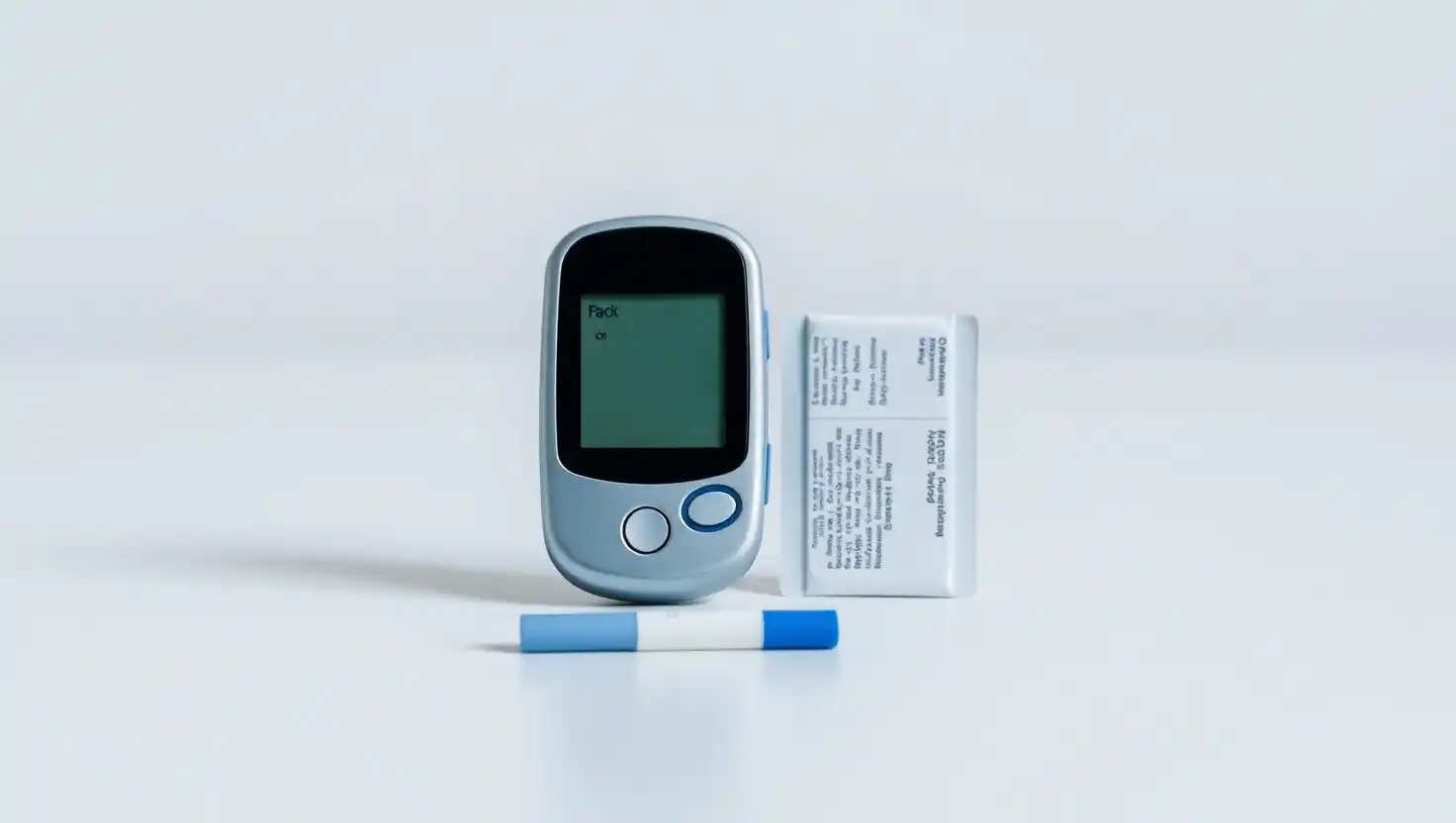
Managing diabetes effectively requires accurate monitoring of blood sugar levels, and glucometer strips are a fundamental component of this monitoring process. Many individuals, especially those newly diagnosed with diabetes, may feel overwhelmed by the prospect of using glucometer strips correctly.
This guide aims to demystify the process and ensure you can use glucometer strips effectively, ensuring your blood sugar readings are accurate and reliable.
What Are Glucometer Strips?
Glucometer strips are small, disposable strips that are used in conjunction with a glucometer to measure blood sugar levels. These strips are equipped with biochemical sensors that react to glucose, enabling the glucometer to provide readings based on the blood sample applied to the strip. Some popular brands of glucometer strips are listed below:
Why Are Glucometer Strips Important?
Step-by-Step Guide to Using Glucometer Strips
Myth 1: Glucometer Strips Are Not Accurate
Fact: When used correctly and if properly stored, glucometer strips provide accurate blood sugar readings that are essential for diabetes management.
Myth 2: You Can Use Any Strip with Any Glucometer
Fact: Each glucometer is designed for specific strips. Always use strips that are compatible with your device.
Myth 3: Blood Sugar Testing Is Only for Diabetics
Fact: While it primarily helps diabetics, blood sugar monitoring can benefit anyone wanting to track their blood glucose levels for various health reasons.
Using glucometer strips effectively is essential for maintaining control over your blood sugar levels and, ultimately, your health. These may feel expensive, but with proper strategies to save money on blood glucose test strips, you can ease your budget.
Understanding how to use them correctly can provide you with the confidence needed to make informed decisions about your diabetes management. Just keep your glucometer and strips in good condition, test regularly, and consult with your healthcare provider to interpret results accurately.
Remember, effective diabetes management begins with accurate monitoring—empower yourself by mastering the use of glucometer strips today!
FAQ 1: How often should I test my blood sugar?
Testing frequency varies based on individual health conditions, but generally, it’s recommended to test before meals and at bedtime for diabetics.
FAQ 2: Can I use glucometer strips that have expired?
Using expired strips can lead to inaccurate readings. Always check the expiry date before use.
FAQ 3: What should I do if my reading seems incorrect?
If you suspect your reading is incorrect, wash your hands, use a new strip, and retest. If discrepancies persist, consult your healthcare provider.
FAQ 4: Is there a difference between various brands of glucometer strips?
Yes, different brands may use various technologies for testing blood sugar. It’s essential to use the strips that are compatible with your glucometer model.
FAQ 5: Do I need a prescription for glucometer strips?
In India, glucometer strips are available over-the-counter at pharmacies, but it’s wise to consult a doctor for recommended brands.
FAQ 6: How should I store glucometer strips?
Store strips in a cool, dry place away from direct sunlight and moisture. Always keep them in their original container.
FAQ 7: Can stress affect my blood sugar readings?
Yes, stress can elevate blood sugar levels due to the release of hormones like cortisol. It’s essential to maintain a calm environment when testing.
FAQ 8: Are glucometer strips covered by insurance?
Coverage depends on your health insurance plan. Consult your provider about coverage for diabetes supplies.
FAQ 9: How can I make blood testing more comfortable?
You can reduce discomfort by using a lancing device that allows for depth adjustment, choosing the side of the fingertip for pricking, and ensuring your hands are warm.
FAQ 10: What should I do with used glucometer strips?
Dispose of used strips responsibly. Many cities have specific disposal laws for sharps and medical waste; consult local regulations.
Disclaimer: This article is intended for informational purposes only and should not be considered a substitute for professional medical advice. Always consult a qualified healthcare provider for diagnosis and treatment of any health condition.
Our Services
Knowledge Base
Fetured Categories
© 2026 DawaaDost. All rights reserved. In compliance with Drugs and Cosmetics Act, 1940 and Drugs and Cosmetics Rules, 1945, we don't process requests for Schedule X and other habit forming drugs.