logo.webp

Welcome To Dawaa Dost

Enter your mobile number to continue

You want to Leave?

  • Home
  • Blog
  • How to Deal With Thinning Hair: Causes and Hair Care Tips

How to Deal With Thinning Hair: Causes and Hair Care Tips

2 min read

In this blog

  • Introduction
  • Understanding Thinning Hair: What Is It?
  • Main Causes of Thinning Hair
  • How Is Thinning Hair Diagnosed?
  • Thinning Hair Treatment: Expert-Approved Options
  • Hair Care Tips to Protect and Restore Thinning Hair
  • Product Spotlight: The Role of Minimalist 18% Hair Growth Actives Hair Serum
  • When to See a Doctor for Thinning Hair
  • Conclusion
  • Frequently Asked Questions

Introduction

Thinning hair is a concern that affects millions of people, impacting self-confidence and overall well-being. Whether it is gradual or sudden, losing hair can be distressing and prompts many to seek answers about effective thinning hair treatment. Fortunately, advances in hair science and care products now offer hope. Among the promising solutions is the innovative Minimalist 18% Hair Growth Actives Hair Serum. This blog explores the common causes of thinning hair, how it is diagnosed, and practical care tips to help restore hair health using proven approaches, including modern hair serums. If you're searching for knowledge, comfort, or solutions, read on to understand what thinning hair really means—and what you can do about it.

Understanding Thinning Hair: What Is It?

Thinning hair doesn’t always lead to complete baldness, but it’s often the first noticeable sign of hair loss or overall hair health changes. While everyone loses about 50 to 100 hairs each day (which is normal), thinning hair refers to a gradual reduction in hair density, making the scalp more visible and hair volume less full. This can affect both men and women and may be temporary or gradual depending on the underlying cause.

Main Causes of Thinning Hair

Understanding what triggers hair thinning is vital in identifying the right treatment. Here are the most common reasons:

Genetics and Family History

Hereditary conditions like androgenetic alopecia—more commonly known as male or female pattern baldness—are the leading causes. If you have a family history of hair thinning or hair loss, your chances of experiencing it are higher.

Hormonal Changes

Hormones play a big role in hair health. Changes due to pregnancy, childbirth, menopause, or thyroid disorders can cause temporary or permanent thinning. Fluctuating hormone levels affect the hair growth cycle, shortening the growing phase or delaying regrowth.

Medical Conditions and Illnesses

Certain health conditions can contribute to hair thinning, including autoimmune diseases (like alopecia areata), scalp infections, anemia, and chronic illnesses. Some treatments—such as chemotherapy—can also lead to significant hair loss.

Lifestyle Factors

Poor nutrition, significant weight loss, stress, and lack of sleep can disrupt the normal hair growth cycle. Habits like excessive heat styling, harsh chemical treatments, and tight hairstyles further exacerbate hair thinning by causing breakage and damage.

How Is Thinning Hair Diagnosed?

Diagnosis typically starts with a full medical history and a physical examination of the scalp. Doctors may ask about family history, recent illnesses, stress levels, medications, and hair care routines. In some cases, blood tests are done to check for underlying conditions like thyroid issues or vitamin deficiencies. Dermatologists may perform a "pull test" (gently tugging hair to see how much falls out) or use advanced tools to examine hair follicles and scalp health.

Thinning Hair Treatment: Expert-Approved Options

Addressing thinning hair requires a combination of medical treatment, lifestyle adjustments, and the right hair care products. Here’s what the experts recommend:

Topical Treatments and Hair Serums

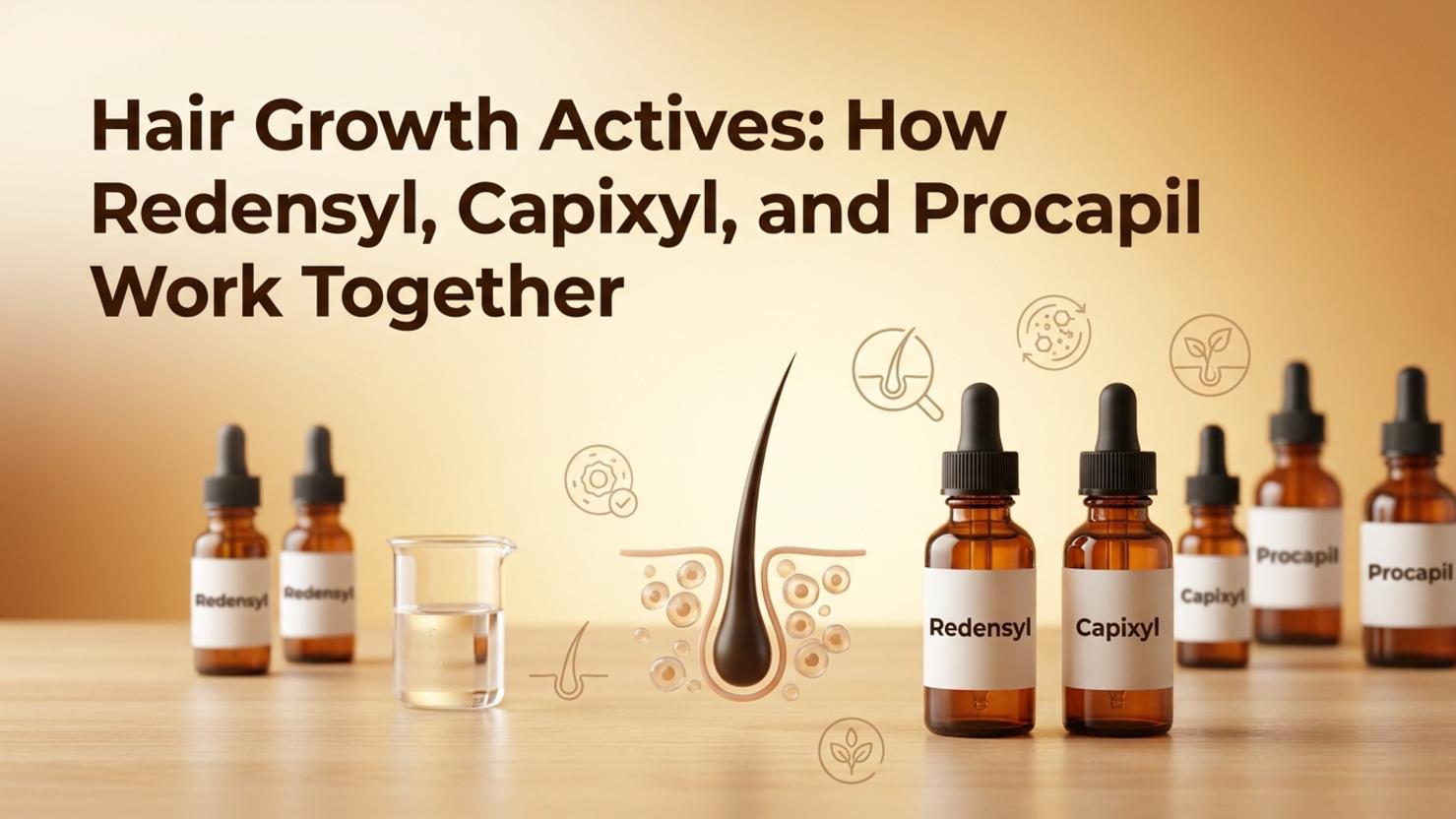
Modern topical solutions, such as the Minimalist 18% Hair Growth Actives Hair Serum, can significantly help in managing thinning hair. This advanced serum contains powerful actives like Redensyl, Procapil, and Capixyl—ingredients shown to stimulate hair follicles, reduce hair fall, and support natural hair growth.

What makes these actives special?

  • Redensyl: Targets stem cells in hair follicles, promoting regrowth and healthier, thicker hair.
  • Procapil: Strengthens hair at the root and helps prevent shedding by fortifying follicle health.
  • Capixyl: A biomimetic peptide that supports the skin on the scalp, improving the environment for new hair growth.

Consistent application of such serums can result in visible improvements in hair density and texture over time. Always follow the product’s instructions, and consult with a dermatologist if you have scalp conditions or allergies.

Oral Medications

Depending on the type of hair loss, doctors may prescribe oral medications such as finasteride or specific supplements to address deficiencies that contribute to hair thinning. Never start medication without professional advice.

Lifestyle Changes for Healthy Hair

Balanced nutrition, proper hydration, stress management, and adequate sleep are fundamental in supporting hair health. Including foods rich in proteins, biotin, zinc, iron, and essential fatty acids can strengthen hair from the inside out.

Professional Procedures

In certain cases, dermatologists might suggest procedures like platelet-rich plasma (PRP) therapy, microneedling, or even hair transplantation for persistent and advanced thinning that does not respond to conservative approaches.

Hair Care Tips to Protect and Restore Thinning Hair

Even with the best treatments, how you care for your hair daily plays a critical role in protecting and restoring its density. Consider these tips:

  • Opt for gentle hair care routines: Use mild, sulfate-free shampoos and conditioners. Avoid washing your hair with very hot water.
  • Reduce heat styling: Limit the use of hair dryers, straighteners, and curling irons. If necessary, use them on the lowest heat settings.
  • Avoid harsh chemicals: Minimize hair coloring, perming, or relaxing treatments that can strip hair of essential proteins.
  • Be gentle when detangling: Use wide-tooth combs or your fingers instead of pulling at knots, which can lead to breakage.
  • Protect from sun and pollutants: Cover your head with a scarf or hat in harsh sunlight or polluted environments to reduce scalp irritation and hair damage.
  • Massage your scalp: Massaging boosts blood circulation and can be enhanced by using nourishing serums like Minimalist 18% Hair Growth Actives Hair Serum to deliver actives directly to hair follicles.

Product Spotlight: The Role of Minimalist 18% Hair Growth Actives Hair Serum

The Minimalist 18% Hair Growth Actives Hair Serum stands out for those seeking an evidence-based thinning hair treatment. This product is dermatologist-tested and blends Redensyl, Procapil, and Capixyl to offer a multi-pronged approach to hair regrowth. Its lightweight texture makes it suitable for all hair types and daily use.

How should you use it? Apply the recommended amount directly to the scalp (not the hair strands), massage gently, and let the serum absorb. Consistency is key; results typically become noticeable after several weeks to a few months. Combined with a healthy lifestyle and gentle hair care, this serum can play a significant role in supporting your hair restoration journey.

When to See a Doctor for Thinning Hair

If your hair loss is sudden, accompanied by redness, pain, or scarring, or is causing significant emotional distress, consult a healthcare professional or dermatologist right away. Early intervention can prevent irreversible hair loss and help identify underlying conditions that require treatment.

Conclusion

Thinning hair can be a significant emotional and physical challenge, but understanding its causes is the first step towards effective management. With professional guidance, proper hair care habits, and innovative products like the Minimalist 18% Hair Growth Actives Hair Serum, you can support new hair growth and regain confidence in your look. Embrace a holistic approach—addressing nutrition, lifestyle, and targeted treatments—to see lasting results. For more updates and tips on health and wellness, visit our Blog and stay informed.

Frequently Asked Questions

What are the early signs of thinning hair?

The early signs include increased hair shedding, a widening part line, reduced ponytail thickness, or a more visible scalp, particularly in areas where hair is usually denser.

Can Minimalist 18% Hair Growth Actives Hair Serum work for both men and women?

Yes, this serum is formulated for both men and women experiencing thinning hair. Its evidence-based ingredients support hair growth and scalp health regardless of gender.

How long does it take to see results from thinning hair treatments?

Visible improvement often takes 8 to 16 weeks, depending on the cause of hair loss, the treatment used, and individual hair growth cycles. Consistency in using products like the Minimalist 18% Hair Growth Actives Hair Serum is crucial.

Are hair serums safe for sensitive skin or scalp?

Most hair serums, including Minimalist 18% Hair Growth Actives Hair Serum, are dermatologically tested for skin safety. However, if you have known sensitivities or react to cosmetic products, perform a patch test before full application and consult your dermatologist if needed.

What lifestyle changes can help with thinning hair?

Eating a balanced diet, managing stress, staying hydrated, getting enough sleep, addressing nutritional deficiencies, and following gentle hair care routines all promote stronger, healthier hair.

Disclaimer: This article is intended for informational purposes only and should not be considered a substitute for professional medical advice. Always consult a qualified healthcare provider for diagnosis and treatment of any health condition.

Popular Products