Itching in the private parts is a common and often distressing problem for women. While it can be embarrassing to discuss, it's important to address this issue as it can significantly impact your comfort and quality of life. Many women experience itching in their intimate area at some point, and it can be caused by a variety of factors, ranging from infections to allergies and skin irritations. Home remedies for itching in private parts of females can provide relief and promote healing.
This article will explore some natural and effective solutions to help you soothe the itch and regain comfort.
Why Do Women Experience Itching in Private Parts?
Before we look into the home remedies, it's helpful to understand some of the common causes of itching in female private parts:
Yeast Infections
These are caused by an overgrowth of Candida albicans, a fungus that normally lives in the vagina in small amounts. When the balance of microorganisms in the vagina is disrupted, Candida can multiply, leading to a yeast infection. Symptoms include intense itching, burning, redness, and a thick, white, cottage cheese-like discharge. Seeking your doctor’s advice on vaginal yeast infection treatment is helpful.
Bacterial Vaginosis (BV)
This is a common vaginal infection caused by an overgrowth of certain bacteria. It can cause vaginal itching, a fishy odour, and a thin, greyish-white discharge. BV is not usually sexually transmitted, but having multiple sexual partners or douching can increase your risk.
Contact Dermatitis
This is an allergic reaction to irritants such as soaps, detergents, fabrics, feminine hygiene products, or even semen. Symptoms include itching, redness, burning, and sometimes blisters or a rash.
Eczema or Psoriasis
These chronic skin conditions can also affect the genital area, causing itching, redness, dryness, and scaling.
Hormonal Changes
Fluctuations in hormone levels, particularly during menopause, can lead to vaginal dryness and itching. Estrogen levels decline during menopause, which can thin the vaginal tissues and reduce lubrication.
Sexually Transmitted Infections
Some STIs, such as trichomoniasis, chlamydia, and gonorrhoea, can cause itching in the genital area, along with other symptoms like unusual discharge, pain, or sores. It's important to get tested for STIs if you are sexually active and experiencing itching.
Other Causes
Other less common causes of itching include lichen sclerosus (a skin condition that causes white patches on the skin), vulvodynia (chronic vulvar pain), and certain medical conditions like diabetes.
Home Remedies for Itching in Private Parts (Female)
1. Cool Compress
A cool compress can provide immediate relief from itching and inflammation. The coolness helps to soothe the irritated skin, constrict blood vessels, and reduce the urge to scratch.
- How to use:
- Apply a cold compress or ice pack wrapped in a clean cloth to the affected area for 5-10 minutes at a time.
- Repeat as needed throughout the day.
2. Baking Soda Bath
Baking soda has antifungal and antibacterial properties that can help combat infections and soothe irritation. It can also help balance the pH of the vaginal area, making it less hospitable to yeast and bacteria.
- How to use:
- Add 1/2 cup of baking soda to a lukewarm bath.
- Soak in the bath for 15-20 minutes.
- Pat the area dry gently with a clean towel.
- Repeat daily until the itching subsides.
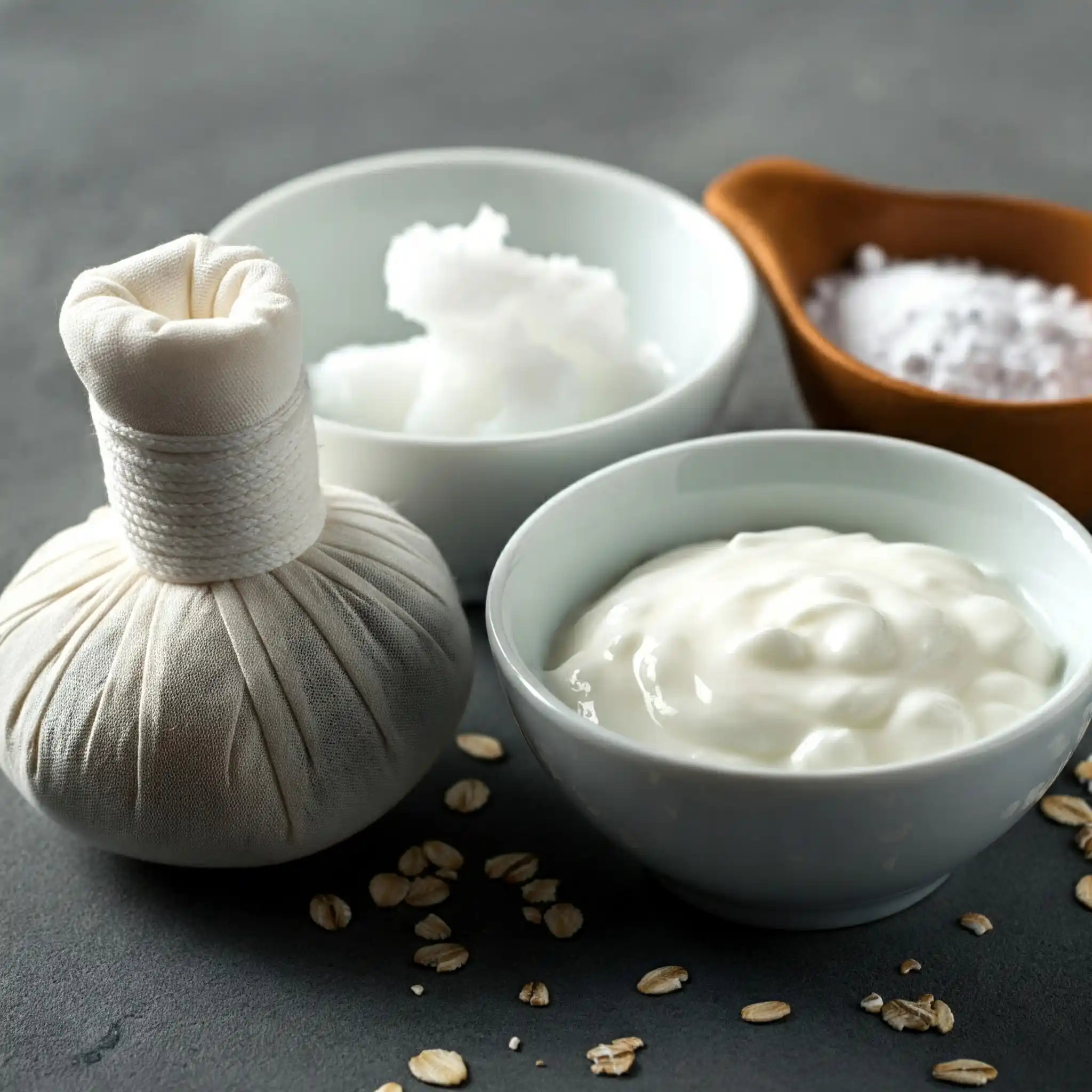
3. Yogurt
Plain, unsweetened yogurt contains live cultures of beneficial bacteria (probiotics) that can help restore the balance of vaginal flora and combat yeast infections. The probiotics in yogurt can help crowd out the overgrowth of Candida fungus.
- How to use:
- Apply plain yogurt topically to the affected area using a clean finger or cotton ball.
- Leave it on for 15-20 minutes.
- Rinse with cool water and pat dry.
- You can also consume yogurt daily to promote gut and vaginal health.
4. Coconut Oil
Coconut oil is a versatile natural oil with numerous benefits for skin and hair. It's a rich source of lauric acid, a fatty acid with antifungal and antibacterial properties. Coconut oil can help soothe the skin, reduce inflammation, and combat infections. It also acts as a natural moisturizer, which can be helpful for dryness and irritation.
- How to use:
- Apply virgin coconut oil to the affected area.
- Leave it on for several hours or overnight.
- Repeat daily as needed.
5. Oatmeal Bath
Oatmeal has long been used for its soothing and anti-inflammatory properties. It contains compounds that can help relieve itching and irritation. Colloidal oatmeal, which is finely ground oatmeal, is particularly effective for skin conditions.
- How to use:
- Add 1 cup of colloidal oatmeal to a lukewarm bath.
- Soak in the bath for 15-20 minutes.
- Pat the area dry gently.
- Repeat as needed.
6. Apple Cider Vinegar
Apple cider vinegar has antifungal properties and can help restore the pH balance of the vagina, making it less hospitable to yeast and bacteria. However, it's important to use ACV with caution as it can be irritating to some people.
- How to use:
- Add 1/2 cup of ACV to a lukewarm bath.
- Soak in the bath for 15-20 minutes.
- Pat the area dry gently.
- Note: ACV can be irritating to some people, so do a patch test before applying it to the entire area. If you experience any burning or irritation, discontinue use.
7. Tea Tree Oil
Tea tree oil is a powerful essential oil with antifungal and antibacterial properties. It can help combat infections and reduce itching. However, tea tree oil is very potent and can irritate the skin, so it's crucial to dilute it before use.
- How to use:
- Dilute a few drops of tea tree oil in a carrier oil like coconut oil.
- Apply the diluted oil to the affected area.
- Note: Tea tree oil can be very potent, so always dilute it before use and do a patch test on a small area of skin before applying it to the genital area. If you experience any burning or irritation, discontinue use.
8. Boric Acid
Boric acid is a natural compound with antifungal and antiviral properties. It's available over-the-counter in the form of vaginal suppositories or capsules. Boric acid can be effective in treating yeast infections and some types of bacterial vaginosis.
- How to use:
- Follow the instructions on the product packaging or as directed by your healthcare professional.
- Note: Boric acid is not recommended for use during pregnancy.
9. Garlic
Garlic has natural antifungal properties due to a compound called allicin. Some women find relief from yeast infections by using garlic suppositories.
- How to use:
- Peel a clove of garlic and wrap it in cheesecloth.
- Insert the wrapped garlic clove into the vagina like a suppository.
- Leave it in for a few hours or overnight. Remove and dispose.
- Note: Garlic can irritate the skin for some people, so discontinue use if you experience any discomfort.
10. Cold Milk Compress
The lactic acid in cold milk can help soothe itching and burning sensations. It also has a cooling effect that can provide immediate relief.
- How to use:
- Soak a clean cloth in cold milk.
- Apply the cloth to the affected area for 5-10 minutes.
- Repeat as needed.
11. Honey
Honey has antibacterial and antifungal properties and can help promote healing. However, it's important to use raw, unprocessed honey.
- How to use:
- Apply a thin layer of raw honey to the affected area.
- Leave it on for 15-20 minutes.
- Rinse with cool water and pat dry.
Additional Tips for Managing Itching in Private Parts
- Maintain good hygiene: Wash the genital area gently with mild, unscented soap and water once or twice a day. Avoid harsh soaps, douches, or feminine hygiene products that can irritate the delicate skin and disrupt the natural pH balance of the vagina.
- Wear breathable cotton underwear: Cotton allows air to circulate, which can help keep the area dry and reduce the risk of infections. Avoid tight-fitting clothing or synthetic fabrics that can trap moisture and create a breeding ground for bacteria and yeast.
- Avoid scratching: Scratching can worsen the itching, damage the skin, and increase the risk of infection. Keep your nails short and clean to minimize the damage from scratching.
- Stay hydrated: Drink plenty of water throughout the day to stay hydrated and promote overall health. Adequate hydration can help maintain the moisture balance of your skin and mucous membranes.
- Practice safe sex: Use condoms every time you have sex to reduce the risk of sexually transmitted infections. Some STIs can cause itching and other symptoms in the genital area.
- Wipe from front to back after using the toilet: This helps prevent bacteria from the rectal area from entering the vagina and causing infections.
- Avoid irritants: Identify and avoid any potential irritants such as scented soaps, bubble baths, detergents, lotions, feminine hygiene products, or synthetic fabrics. These can trigger allergic reactions or irritate the sensitive skin in the genital area.
- Manage stress: Stress can weaken the immune system and make you more susceptible to infections. Find healthy ways to manage stress, such as exercise,1 yoga, meditation, or spending time in nature.
- Consider your diet: A balanced diet rich in fruits, vegetables, and whole grains can support overall health and immune function. Some women find that reducing their intake of sugar and processed foods can help reduce the frequency of yeast infections.
- Keep the area dry: Moisture can create an environment that is conducive to the growth of yeast and bacteria. After showering or bathing, pat the area dry gently with a clean towel. You can also use a hairdryer on a cool setting to ensure the area is completely dry.
When to See a Doctor
While home remedies can be helpful for mild itching, it's important to seek medical attention if:
- The itching is severe or persistent and doesn't improve with home remedies.
- You have unusual discharge, such as a thick, white discharge (possible yeast infection) or a thin, greyish-white discharge with a fishy odour (possible bacterial vaginosis).
- You experience pain or burning during urination or sexual intercourse.
- You have any bleeding or spotting that is not related to your menstrual period.
- You have sores, blisters, or warts in the genital area.
- You experience fever or chills.
- You suspect you have a sexually transmitted infection.
- You have any concerns about your vaginal health.
Conclusion
Itching in the private parts can be uncomfortable and disruptive, but with the right approach, you can find relief and prevent future occurrences. These home remedies for itching in private parts of females offer natural and gentle solutions to soothe irritation, fight infections, and support healing.
Remember to maintain good hygiene practices, avoid irritants, and consult a healthcare professional if your symptoms are severe, persistent, or accompanied by other concerning signs.
FAQs
1. Can I use these home remedies if I am pregnant?
Some remedies, like cool compresses and oatmeal baths, are generally safe during pregnancy. However, it's crucial to consult your doctor before using any home remedies or medications while pregnant.
2. When should I see a doctor for itching in my private parts?
See a doctor if the itching is severe, persistent, accompanied by unusual discharge, pain, or bleeding, or if you suspect an STI.
3. Can shaving pubic hair cause itching?
Yes, shaving can irritate the skin and cause itching. Use a sharp razor, shave in the direction of hair growth, and moisturize afterward.
4. Is it safe to use scented soaps or feminine hygiene products?
No, these products can irritate the delicate skin in the genital area and disrupt the natural pH balance. Opt for mild, unscented soaps.
5. Can stress worsen itching in the private parts?
Yes, stress can weaken the immune system and make you more susceptible to infections that can cause itching.
6. What are some other natural remedies for itching in private parts?
Other natural remedies include boric acid, garlic, and tea tree oil suppositories (consult a healthcare professional before using).
7. How can I prevent itching in the future?
Maintain good hygiene, wear breathable cotton underwear, avoid irritants, and practice safe sex.
8. Can certain medications contribute to itching in the private parts?
Yes, some medications, such as antibiotics, can disrupt the balance of vaginal flora and increase the risk of yeast infections.
9. How can I relieve itching during menstruation?
Use unscented menstrual hygiene products like pads or tampons, change them frequently, and avoid tight-fitting clothing when your periods are on. Cool compresses can also provide relief.
Looking for affordable medicines and healthcare products but don't know where to buy them? Check out our Dawaa Dost website where we make quality and affordable medicines accessible to all!




 0
0