logo.webp

Welcome To Dawaa Dost

Enter your mobile number to continue

You want to Leave?

  • Home
  • Blog
  • Glycolic Acid Vs Salicylic Acid: Which Is Better for Acne?

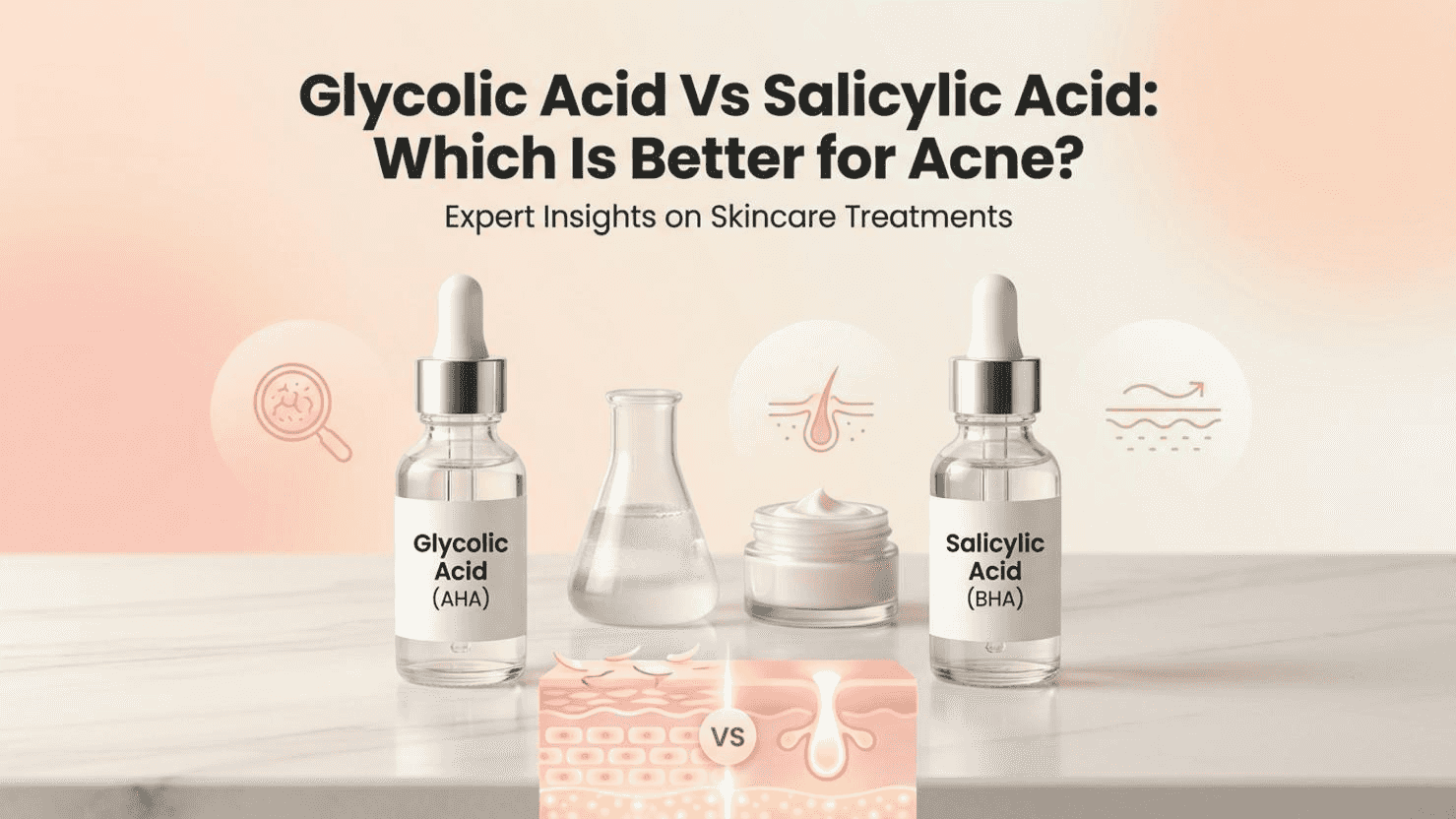
Glycolic Acid Vs Salicylic Acid: Which Is Better for Acne?

10 min read
In this blog

  • Introduction
  • Understanding Acne: Causes and Common Treatments
  • What Is Glycolic Acid and How Does It Work?
  • Exploring Salicylic Acid: How Does It Treat Acne?
  • Glycolic Acid Vs Salicylic Acid: A Detailed Comparison
  • The Role of Minimalist 08% Glycolic Acid Exfoliating Liquid in Acne Care
  • Combining Glycolic Acid and Salicylic Acid: Is It Safe?
  • Choosing the Right Exfoliant for Your Skin
  • Expert Tips for Managing Acne Safely
  • Conclusion
  • Frequently Asked Questions (FAQ)

Introduction

Struggling with acne can feel stressful, and finding the right skincare ingredient is often confusing. Should you choose an alpha hydroxy acid like glycolic acid or stick with a tried-and-true beta hydroxy acid like salicylic acid? Both are popular solutions for acne-prone skin, but each works differently. In this comprehensive guide, we’ll compare the strengths and uses of both glycolic acid and salicylic acid for acne treatment, with a special focus on the Minimalist 08% Glycolic Acid Exfoliating Liquid, a highly regarded product featuring glycolic acid as its main active ingredient. By the end of this article, you’ll have a clear answer to which ingredient may be best suited for your unique skin concerns.

Understanding Acne: Causes and Common Treatments

Acne affects people of all ages and is often caused by a combination of excess oil (sebum), clogged pores, bacteria, and inflammation. Common signs include pimples, blackheads, whiteheads, and sometimes painful cysts. While there are various factors influencing acne—including hormones, genetics, and stress—targeted skincare ingredients can help manage breakouts and improve skin health. Two of the most researched and trusted ingredients for acne-prone skin are glycolic acid and salicylic acid.

What Is Glycolic Acid and How Does It Work?

Glycolic acid is an alpha hydroxy acid (AHA) derived from sugar cane. Its small molecular size allows it to deeply penetrate the skin. Glycolic acid works primarily on the surface of the skin, breaking down the bonds between dead skin cells so they can be gently sloughed away. This process—called exfoliation—helps prevent clogged pores, smooth skin texture, and enhance overall skin clarity.

Key Benefits of Glycolic Acid for Acne

Glycolic acid is prized for exfoliating the top layer of the skin, revealing brighter and clearer skin underneath. By regularly removing dead skin cells, it reduces the risk of pore blockages that lead to acne. Results may include improved skin tone, diminished acne scars, and a more radiant complexion over time. Products like Minimalist 08% Glycolic Acid Exfoliating Liquid deliver potent yet gentle exfoliation suitable for regular use in most skincare routines.

Exploring Salicylic Acid: How Does It Treat Acne?

Salicylic acid belongs to the beta hydroxy acid (BHA) family. Unlike glycolic acid, salicylic acid is oil-soluble. This unique property allows it to penetrate deep into the pores, dissolving excess oil and debris that can cause breakouts. Salicylic acid is an excellent option for individuals with oily or combination skin, frequent blackheads, and stubborn blemishes.

Key Benefits of Salicylic Acid for Acne

Salicylic acid’s deep pore-cleansing action helps prevent new acne from forming while calming existing blemishes. It also possesses mild anti-inflammatory properties, making it effective for soothing redness and swelling associated with active pimples. Used consistently, salicylic acid can help clear clogged pores and support clearer skin over the long term.

Glycolic Acid Vs Salicylic Acid: A Detailed Comparison

Both acids offer powerful acne-fighting properties but differ in how—and where—they work on your skin. Let’s explore their major characteristics and see which might be a better fit for you.

Exfoliation Action

Glycolic acid acts primarily on the skin’s surface, making it excellent for targeting rough skin, uneven tone, and mild-to-moderate scarring. Salicylic acid works deeper in the pores, clearing out oil and buildup that can cause acne at the source.

Skin Types

Glycolic acid is generally well-suited for normal, dry, or mature skin, thanks to its hydration-boosting properties and ability to address pigmentation and texture issues. Salicylic acid is typically better for oily and acne-prone skin, though it can be drying if overused.

Sensitivity and Side Effects

Both acids can cause mild irritation, especially during initial use. Glycolic acid may cause temporary stinging or redness, particularly for sensitive skin types. Salicylic acid can be drying and sometimes leads to temporary peeling. With either ingredient, it’s essential to start slow and follow usage instructions. If irritation persists, reduce the frequency or consult a dermatologist.

Other Skin Benefits

Glycolic acid not only helps prevent acne but also promotes a brighter, more even skin tone. It’s particularly useful for fading post-acne marks and sun damage. Salicylic acid is well-known for its powerful blackhead- and whitehead-fighting abilities, along with helping reduce inflamed pimples.

The Role of Minimalist 08% Glycolic Acid Exfoliating Liquid in Acne Care

Minimalist 08% Glycolic Acid Exfoliating Liquid is an advanced, clinically tested formula designed to support acne-prone skin. With a carefully balanced concentration of glycolic acid, this product gently exfoliates dead skin cells, unclogs pores, and improves overall skin tone. In addition, it helps fade blemishes and provides a smooth, radiant complexion.

How to Use Minimalist 08% Glycolic Acid Exfoliating Liquid Safely

For best results, apply a few drops to clean, dry skin in the evening, starting 2-3 times per week and gradually increasing frequency as tolerated. Always use sunscreen during the day, as exfoliating acids can increase your skin’s sensitivity to sunlight. Avoid using glycolic acid alongside other strong exfoliants or retinoids initially, to minimize irritation risk.

Who Should Consider Glycolic Acid?

If your acne is accompanied by rough skin texture, dullness, or lingering dark marks, glycolic acid may be an ideal solution. The liquid format of Minimalist 08% Glycolic Acid Exfoliating Liquid allows for easy, targeted application and can be seamlessly incorporated into most skincare routines.

Combining Glycolic Acid and Salicylic Acid: Is It Safe?

Sometimes, dermatologists recommend combining both glycolic acid and salicylic acid for comprehensive acne care. However, this should be done with caution. Because both are exfoliants, overuse can lead to irritation or skin barrier disruption. If you are considering this combination, consult a skincare specialist and always patch test new products before regular use.

Choosing the Right Exfoliant for Your Skin

The choice between glycolic acid and salicylic acid depends on your skin’s characteristics and acne type:

  1. For surface-level concerns like texture, dullness, and mild pigmentation, glycolic acid is ideal.
  2. For deep-seated, oily, or congested skin with frequent breakouts, salicylic acid may be more effective.
  3. If you have combination skin, alternating between both acids under professional guidance can deliver balanced results.

Always introduce new acids into your routine gradually, observe your skin's response, and seek advice if unsure about application.

Expert Tips for Managing Acne Safely

Regardless of your acid choice, successful acne management often includes a holistic approach:

  1. Gentle cleansing twice daily
  2. Moisturizing to support the skin barrier
  3. Consistent sun protection
  4. Avoiding harsh scrubs or over-exfoliation
  5. Staying hydrated and maintaining a healthy diet

Do not pick or pop pimples, as this can worsen inflammation and scarring. For persistent or severe acne, consult a dermatologist for professional guidance. Explore other skincare resources in our Blog.

Conclusion

Both glycolic acid and salicylic acid are powerful allies in the fight against acne, with distinct benefits and roles. Glycolic acid, especially in advanced products like Minimalist 08% Glycolic Acid Exfoliating Liquid, offers gentle yet effective exfoliation for smoother, clearer, and more radiant skin. It is particularly suited for those with surface-level concerns and post-acne marks. Salicylic acid is an excellent choice for deep-pore cleansing, especially if you have oily or stubborn, persistent breakouts. Ultimately, the best ingredient for you will depend on your unique skin type and concern. Start with one ingredient, monitor your skin’s reaction, and adjust your routine for optimal, safe results. If in doubt, professional help is always advised. Take the first step towards healthier skin—explore your options and make an informed, confident choice for your acne care journey.

Frequently Asked Questions (FAQ)

Which is more effective for blackheads: glycolic acid or salicylic acid?

Salicylic acid is generally considered more effective for treating blackheads because it penetrates pores and dissolves oil and debris. Glycolic acid, while helpful for skin texture and overall clarity, mainly exfoliates the surface. Combining both may provide enhanced results, but always use them cautiously to avoid irritation.

Can I use glycolic acid and salicylic acid together in my skincare routine?

Yes, they can be used together for some skin types and conditions, but it’s best to alternate their use (e.g., different days or times) to prevent over-exfoliation. Always patch test new combinations and consult a dermatologist for guidance, especially if you have sensitive skin.

How often should I use Minimalist 08% Glycolic Acid Exfoliating Liquid for acne?

Start by using Minimalist 08% Glycolic Acid Exfoliating Liquid 2-3 times per week in the evening. Gradually increase frequency as your skin builds tolerance, but avoid daily use initially to minimize irritation. Follow all label instructions for best results.

Are there any side effects when using glycolic acid or salicylic acid?

Both acids can cause mild, temporary side effects such as redness, stinging, or dryness, especially when first introduced. If you experience persistent irritation, reduce use frequency or discontinue and consult a healthcare provider.

Is glycolic acid suitable for all skin types?

Glycolic acid is most suitable for normal to dry or mature skin. People with highly sensitive or highly reactive skin should introduce glycolic acid cautiously and perform a patch test before regular use. Those with very oily, congested skin may benefit more from salicylic acid.

Disclaimer: This article is intended for informational purposes only and should not be considered a substitute for professional medical advice. Always consult a qualified healthcare provider for diagnosis and treatment of any health condition.

Popular Products