Understanding PMS: What Happens Each Month?
PMS or Premenstrual Syndrome—you may know it as the days before your period when emotions, energy, and even your body can feel out of sync. While PMS varies from person to person, it typically brings symptoms such as:
- Mood changes: irritability, anxiety, sadness
- Physical discomfort: bloating, headaches, cramps
- Fatigue: feeling tired or low on energy
- Sleep disturbances
- Changes in appetite or food cravings
These changes are believed to be mainly triggered by hormonal fluctuations, especially a drop in estrogen and progesterone during the latter half of the menstrual cycle. While some people experience mild symptoms, for others, PMS can be severe enough to disrupt daily life.
Creatine: What Is It and How Does It Work in the Body?
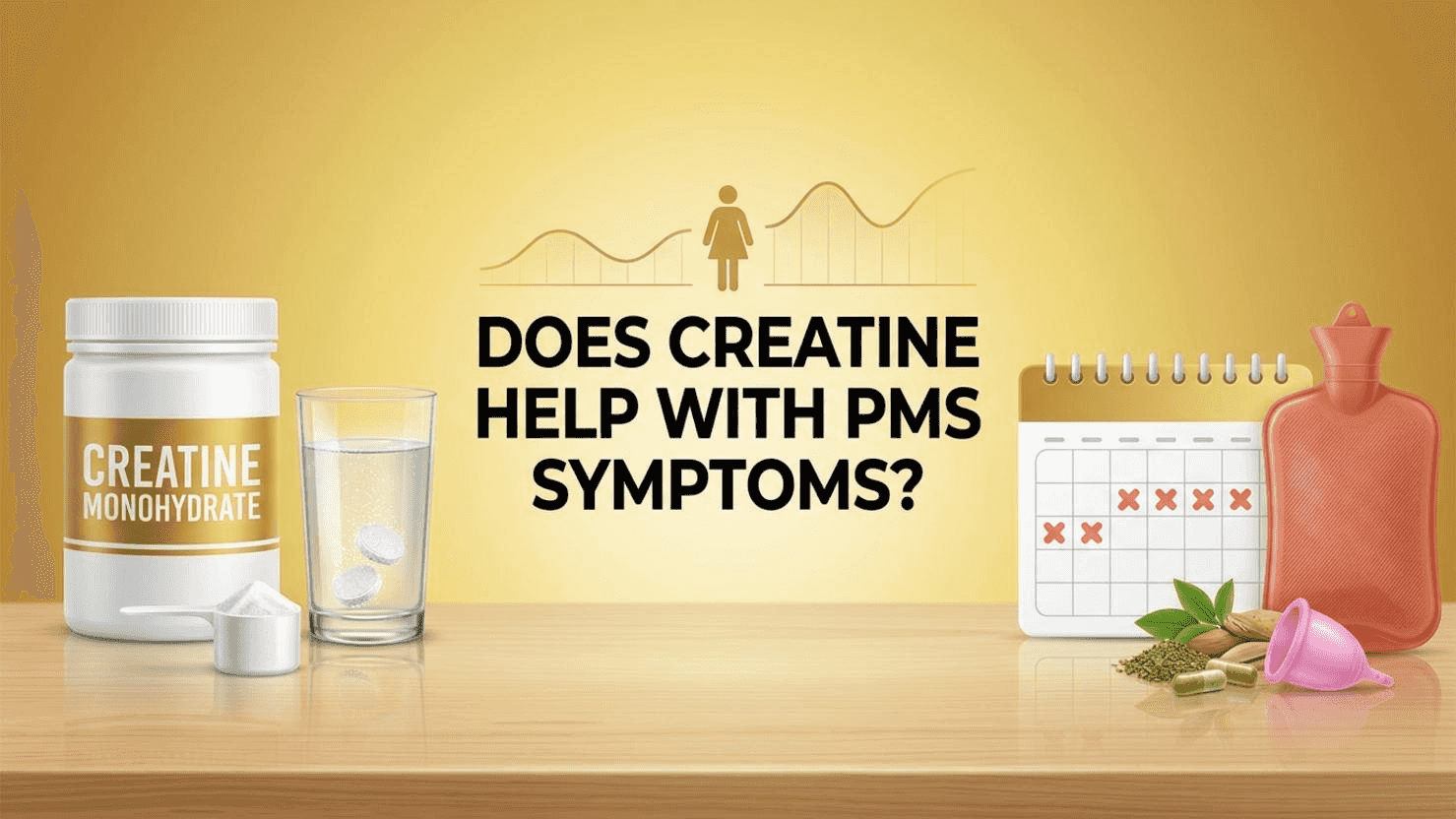
Creatine is a natural substance found mainly in our muscles and, to a lesser extent, in the brain. It is widely recognized as a supplement by athletes and fitness enthusiasts, often in the form of creatine monohydrate, the same ingredient in Wellivra Creatine Monohydrate Micronized Powder. But what does it actually do?
Creatine helps the body produce energy rapidly, especially during short bursts of quick activity—think lifting, running, or jumping. It can also support brain function, improve muscle recovery, and even play a role in mental health. Importantly, creatine is not a hormone or a steroid. It is a naturally occurring compound that supports the cellular energy system.
Why Are Women Considering Creatine for PMS?
There is growing interest among women and researchers about creatine for reasons that extend beyond athletic performance. Specifically, some are starting to explore its effects on mood, cognition, fatigue, and other PMS symptoms. Some recent studies suggest that creatine may positively influence mental energy, reduce fatigue, and improve cognitive function—even in women.
For women who experience feeling sluggish, mentally foggy, or less motivated during PMS, creatine's potential to support energy production and brain health is an intriguing question. Could this be a safe and effective addition to women's self-care routines during menstruation?
What Does the Research Say About Creatine and PMS?
While research on creatine for PMS specifically is still emerging, we can look at several related findings:
- Mood and Cognitive Support: Some studies in women show creatine supplementation may help improve mood and memory, particularly when estrogen levels are low—like during PMS.
- Energy and Fatigue: Creatine has long been known to support muscle energy, but recent data suggest it can help reduce mental and physical fatigue, too.
- Brain Health During Menstrual Cycles: Preliminary evidence indicates that creatine might support brain energy metabolism during low-estrogen phases in the cycle, potentially making PMS symptoms less intense.
- No Hormonal Disruption: So, does creatine affect female hormones? Unlike some remedies, creatine does not act on estrogen or progesterone, so it is unlikely to disturb hormonal balance.
It's important to note that while these findings are promising, large-scale clinical research directly linking creatine to PMS symptom relief is still in development. However, women looking for non-hormonal support may find creatine a gentle and promising option.
Conclusion
To answer the question, "Does Creatine Help with PMS Symptoms?"—the early evidence is encouraging, particularly when it comes to improved mental energy, mood, and cognitive clarity during the PMS phase. While more targeted studies are needed, high-quality supplements like Wellivra Creatine Monohydrate Micronized Powder may offer an appealing, hormone-free option for women seeking extra support. As always, speak to a healthcare provider to see if creatine is right for you, and remember that holistic PMS management combines diet, exercise, and stress reduction along with any supplement.
Curious to learn more about women's health and effective supplement strategies? Visit our Blog for more trustworthy advice.
Frequently Asked Questions
Can creatine really help with PMS symptoms?
Research is still emerging, but some studies show that creatine may reduce fatigue, support mood, and improve mental clarity during PMS. Although direct evidence is limited, its safety and potential benefits have made it a promising option for some women.
Is it safe for women to take creatine?
Yes, creatine is generally safe for healthy women when taken at recommended doses. However, it should be avoided by those with certain kidney or liver conditions, and you should always consult with your healthcare provider before starting any supplement.
How should I use Wellivra Creatine Monohydrate Micronized Powder?
Use as directed on the product label or by your healthcare provider. Standard maintenance doses are about 3-5 grams per day. Mix with plenty of water and stay hydrated throughout the day.
Are there any side effects from taking creatine?
Most people tolerate creatine well. Mild side effects can include stomach upset or slight bloating, especially if taken improperly. Serious side effects are rare when used as directed by healthy adults.
Can creatine replace other PMS treatments or medications?
No, creatine should not replace medical treatments for PMS or related conditions. It may be used as part of a comprehensive wellness plan, but always follow your doctor's advice and prescribed treatments first.




 0
0