Pregnancy is a joyful and life-changing experience, but if you have diabetes, it adds extra challenges that need attention. It’s essential to manage your diabetes effectively during pregnancy to ensure both your health and the well-being of your baby. This blog will help you understand the different types of diabetes during pregnancy, the risks involved, and how to manage your condition for a healthy pregnancy.
Types of Diabetes During Pregnancy
Diabetes during pregnancy can be categorized into two main types: pre-existing diabetes and gestational diabetes. Understanding these types is essential for managing your health throughout your pregnancy.
Pre-Existing Diabetes
Pre-existing diabetes includes both Type 1 diabetes and Type 2 diabetes, conditions that are diagnosed before pregnancy. Women with Type 1 diabetes have a pancreas that doesn't produce insulin, while women with Type 2 diabetes may have insulin resistance or insufficient insulin production.
When pregnancy occurs with pre-existing diabetes, it’s vital to have better control of blood sugar levels to avoid complications. Pre-existing diabetes can lead to risks like high blood pressure, kidney issues, or developmental problems in the baby.
Gestational Diabetes
Gestational diabetes (GD) occurs when pregnancy causes your body to struggle with insulin production, leading to high blood sugar levels. This condition typically develops during the second trimester of pregnancy and may disappear after childbirth. However, gestational diabetes can cause complications if not properly managed.
Women at higher risk for developing gestational diabetes include those who:
- Are overweight
- Are older than 25 years
- Have a family history of diabetes
- Had gestational diabetes in a previous pregnancy
Why Gestational Diabetes Matters
If left untreated, gestational diabetes can lead to several problems for both mother and baby, including:
- High blood pressure (pre-eclampsia): A serious condition that can harm both mother and baby.
- Macrosomia (large baby): This increases the chances of a difficult delivery, possibly requiring a cesarean section.
- Hypoglycemia (low blood sugar) in the baby: Babies born to mothers with gestational diabetes are at risk of having low blood sugar right after birth.
- Breathing difficulties: Babies of mothers with gestational diabetes may have issues with breathing after birth.
Managing Diabetes During Pregnancy
Managing diabetes during pregnancy is crucial to ensure both you and your baby are healthy. Here are some effective steps you can take:
1. Regular Blood Sugar Monitoring
Maintaining blood sugar control is essential throughout pregnancy. Use tools like Dr. Morepen Gluco One Strips BG03 - 25 Tests to check your blood sugar levels. Monitoring helps you stay on top of your health and detect any fluctuations early. You should aim to keep your levels within the target range set by your doctor.
2. Healthy Eating
Eating a balanced, nutritious diet is key in controlling blood sugar. Focus on:
- Whole grains like oats and quinoa
- Vegetables and fruits for vitamins and minerals
- Lean proteins like chicken, fish, or beans
- Healthy fats such as those found in avocados, nuts, and olive oil
Avoid sugary foods and refined carbohydrates, which can cause blood sugar spikes. Eating smaller, more frequent meals throughout the day can help keep your blood sugar levels steady.
3. Regular Exercise
Exercise is another crucial part of diabetes management. Physical activity helps lower blood sugar and improves insulin sensitivity. Activities like walking, swimming, or prenatal yoga are excellent choices for pregnant women. Always consult your doctor before starting any exercise program to ensure it’s safe for your specific condition.
4. Medications and Insulin
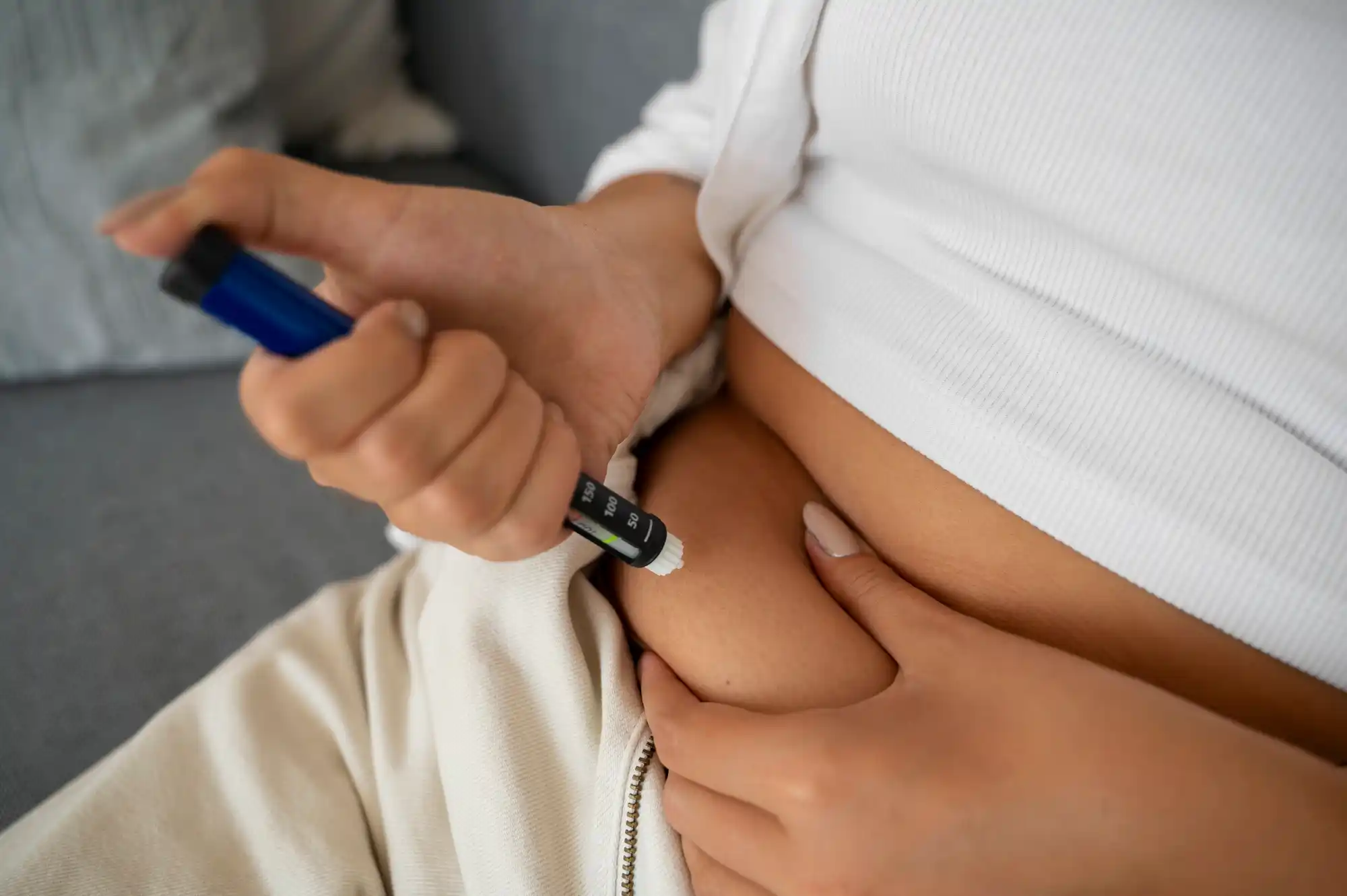
Some women may require insulin or oral medications to control blood sugar levels. If your doctor prescribes insulin, follow the instructions closely. Taking medication as prescribed is essential to prevent complications during pregnancy.
5. Stress Management
High stress levels can cause blood sugar to rise, so managing stress is crucial. Practice relaxation techniques like deep breathing, meditation, or prenatal massage. Keeping stress under control will help stabilize your blood sugar and improve your overall health.
6. Regular Checkups
Regular checkups with your doctor are critical when managing diabetes during pregnancy. These visits allow your healthcare provider to monitor your blood sugar levels, track your baby’s growth, and watch for any potential complications. Your doctor will also advise you on how to adjust your treatment plan as needed.
Effects of High Blood Sugar During Pregnancy
If blood sugar is not properly managed, it can lead to several risks and complications, including:
- For the Baby:
- Macromasia: Large babies may require a cesarean delivery.
- Breathing difficulties: Babies born with high blood sugar levels may have trouble breathing.
- Increased risk of Type 2 diabetes later in life: Babies born to mothers with gestational diabetes have a higher risk of developing Type 2 diabetes in childhood or adulthood.
- Low blood sugar: Babies can experience hypoglycemia after birth, which may require treatment.
- For the Mother:
- High blood pressure (pre-eclampsia): A condition that can cause swelling, protein in the urine, and potential damage to organs.
- Kidney damage: Uncontrolled blood sugar can cause kidney problems, which can worsen over time.
- Increased risk of Type 2 diabetes: Women who have had gestational diabetes are at higher risk of developing Type 2 diabetes later in life.
Postpartum Care
After childbirth, women who had gestational diabetes need to monitor their blood sugar closely, as they are at a higher risk of developing Type 2 diabetes. Your healthcare provider will likely recommend regular follow-up testing for the first few months after delivery. Additionally, a healthy diet and regular physical activity will help reduce the risk of Type 2 diabetes in the future.
Conclusion
Managing diabetes during pregnancy requires careful attention and planning. With proper blood sugar monitoring, a healthy diet, regular exercise, and medication when necessary, you can minimize risks for both you and your baby. Regular checkups with your healthcare provider are vital for managing your health and ensuring your baby’s well-being.
If you're looking for an easy way to monitor your blood sugar levels at home, Dr. Morepen Gluco One Strips is a great tool.
FAQ
Q: What is gestational diabetes?
A: Gestational diabetes is a type of diabetes that occurs during pregnancy when the body cannot produce enough insulin to meet the increased demands, leading to high blood sugar.
Q: How is gestational diabetes diagnosed?
A: Gestational diabetes is typically diagnosed through a glucose tolerance test, which measures how your body handles a sugary drink.
Q: Can gestational diabetes be prevented?
A: While it may not be entirely preventable, maintaining a healthy weight, eating a balanced diet, and staying active during pregnancy can help reduce the risk of developing gestational diabetes.
Q: Will gestational diabetes go away after delivery?
A: Gestational diabetes usually disappears after delivery, but women who have had it are at an increased risk of developing Type 2 diabetes later in life.
Q: How can I manage gestational diabetes?
A: Managing gestational diabetes involves monitoring blood sugar levels, eating a healthy diet, exercising regularly, and taking insulin or other medications if prescribed by your doctor.




 0
0