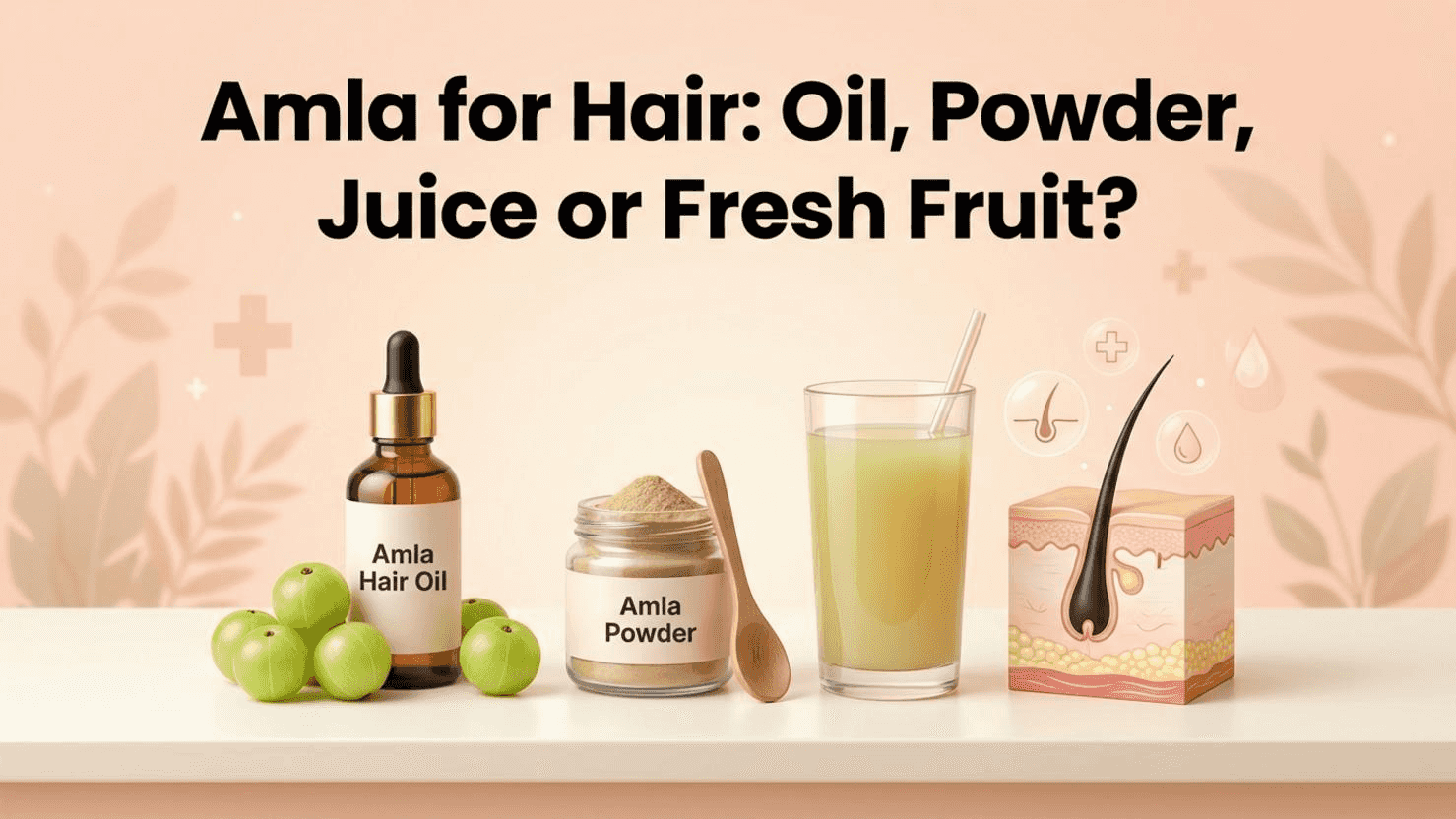
Shiny, healthy hair is something we all desire, and many of us are on a never-ending quest to find the perfect solution. Among the wide variety of natural remedies, amla, also known as Indian gooseberry, has stood the test of time. Whether you use it as an ingredient in oil, powder, juice, or even as a fresh fruit, amla is highly valued for its hair care benefits. One popular product harnessing the power of amla is the Khadi India Utkrisht Amla & Bhringraj Hair Oil. In this blog, we will delve deep into how amla supports hair health, compare different forms, and help you decide which is best for your hair.
Amla (Phyllanthus emblica) is a small, green fruit that has been an essential part of Ayurveda and traditional Indian remedies for centuries. Rich in vitamin C, antioxidants, and essential phytonutrients, amla is believed to rejuvenate the hair, strengthen follicles, and promote natural shine. But how does it really work?
Amla is packed with vital constituents, including vitamin C, gallic acid, ellagic acid, amino acids, and polyphenols. The high concentration of antioxidants helps counteract free radical damage, thus protecting the scalp and supporting healthier hair structure. Its nutrient-rich profile makes amla a go-to choice for those aiming for thicker, stronger hair.
There are multiple ways to incorporate amla into your hair care routine. The most common options include oils, powders, juice, and raw fruit. Let’s break down each option for their unique benefits and ideal usage.
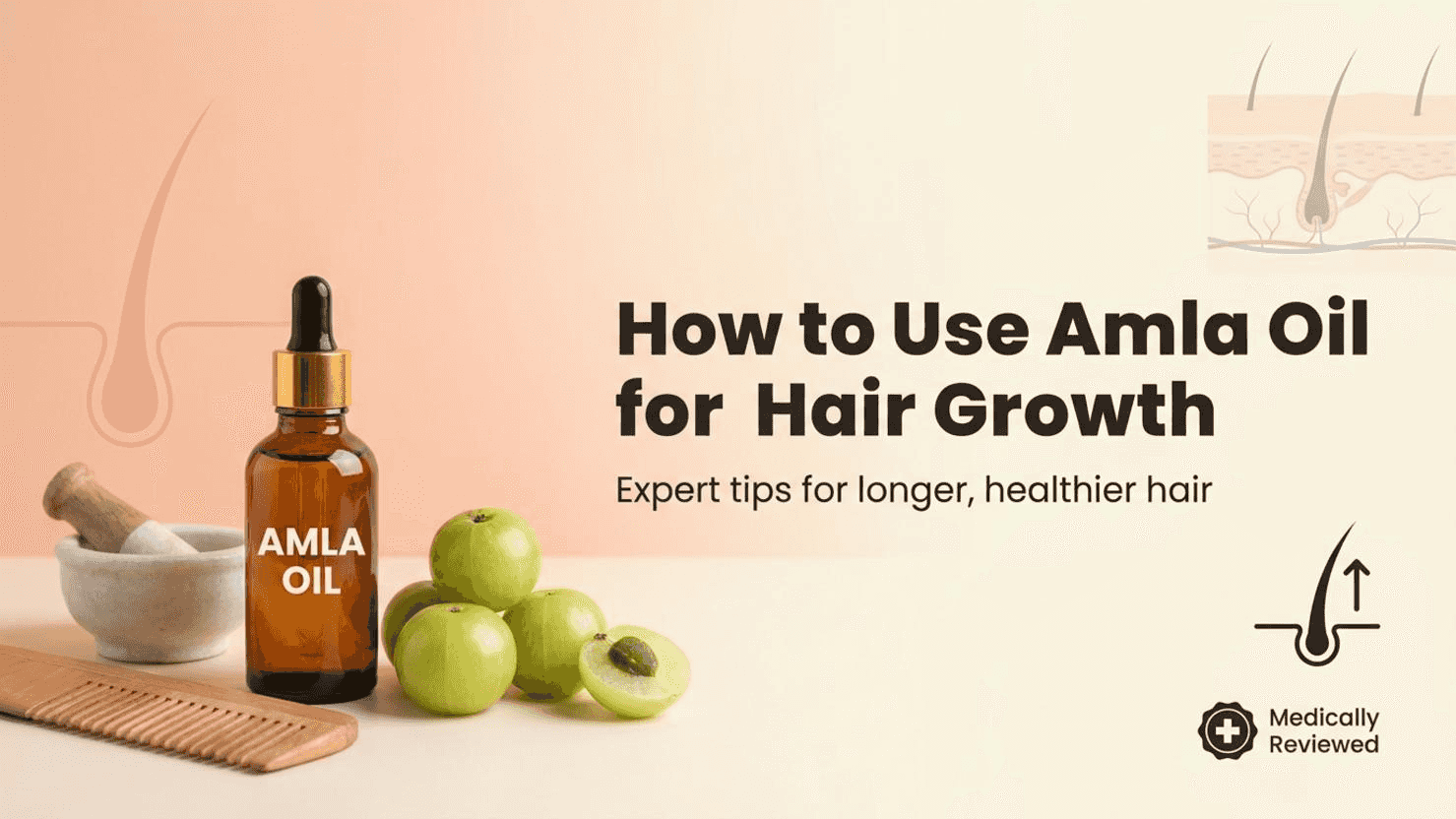
Amla-based hair oils, such as Khadi India Utkrisht Amla & Bhringraj Hair Oil, are popular for their ability to provide deep nourishment and enhance scalp health. When massaged into the scalp, amla oil can improve blood circulation, provide essential fatty acids, and boost natural hair growth.
The Khadi India Utkrisht Amla & Bhringraj Hair Oil combines the benefits of both amla and bhringraj, another traditional herb renowned for hair strength. This potent blend helps in reducing hair fall, combating dandruff, and making hair noticeably softer and shinier.
Amla powder is made by drying and crushing the fruit. It can be mixed with water, yogurt, or oils to create masks or pastes that can be applied directly to the scalp and hair. Amla powder is ideal for those who want to avoid synthetic products and have control over the formulation they use.
Its natural exfoliating properties can help cleanse the scalp, manage excess oil, and make hair look fuller and thicker when used regularly.
Consuming amla juice regularly provides a boost of vitamin C and antioxidants, supporting overall hair health from within. This method enhances the body’s absorption of nutrients, which benefits not just the hair, but also your skin and general well-being. Remember, while topical applications can offer localized benefit, nourishing your hair from within can offer more holistic results.
Eating fresh amla fruit is one of the purest ways to benefit from its nutrients. If you have access to fresh amla, incorporating it into your diet can promote hair health, as well as improve immunity and digestion. However, many people find the taste quite sour, and consistent consumption may be a challenge.
Let’s take a closer look at the science behind amla’s effectiveness for hair:
Amla is known to strengthen hair follicles and promote hair growth. The high vitamin C content helps boost collagen production, which is vital for increased hair growth and thickness.
Antioxidants found in amla combat oxidative stress and help reduce hair fall. Regular use of amla oil and masks can make hair roots stronger, reducing breakage and thinning.
The anti-inflammatory and anti-bacterial properties of amla help soothe the scalp, reduce dandruff, and maintain the pH balance of the scalp. This creates an optimal environment for hair growth.
Amla is traditionally used to delay the appearance of grey hair. It helps stimulate melanin production in hair follicles thanks to its rich vitamin and mineral content.
Each form of amla comes with its own set of advantages. Let’s compare them based on convenience, results, and suitability.
If you have a busy lifestyle, using an oil like Khadi India Utkrisht Amla & Bhringraj Hair Oil is straightforward—simply massage it onto your scalp and leave it for a few hours or overnight. Amla powder and juice require more preparation, while fresh fruit depends on availability and taste preference.
Topical applications, such as oils and powders, directly nourish the scalp and hair. Many users report noticeable improvements in texture and strength after regular use of high-quality oils such as Khadi India Utkrisht Amla & Bhringraj Hair Oil. Drinking juice or eating the fruit may take longer to reflect in hair quality, as nutrients must first be absorbed and processed by your body.
If your main concern is dandruff or scalp irritation, amla oil or a powder paste might be most effective. For those seeking general wellness and only mild hair benefits, juice or fresh fruit can be a good addition to the diet.
This unique hair oil blends two legendary ingredients: amla and bhringraj. Here’s what sets it apart:
Depending on your preferences, lifestyle, and hair needs, you can try one or more of the following approaches:
Warm a small amount of Khadi India Utkrisht Amla & Bhringraj Hair Oil between your palms and massage gently onto your scalp. Leave it on for at least an hour (or overnight), then wash with a mild shampoo. Consistent application, two to three times a week, is typically recommended for best results.
Mix amla powder with water, honey, or aloe vera to form a smooth paste. Apply to scalp and hair, leave for 30 minutes, and rinse. This can be done once a week for deep conditioning and scalp detox.
Incorporate fresh amla or amla juice into your daily diet. Start with small quantities and consider consulting a healthcare professional if you have concerns about acidity or allergies.
Amla is generally safe for most people, but always do a patch test before using new oils or powders to check for skin sensitivity. People with very sensitive skin or certain scalp conditions should consult a dermatologist before starting any new hair care regimen. When taking amla orally, moderation is key due to its high vitamin C content and possible gastrointestinal side effects if consumed in excessive amounts.
Amla stands out as a powerful ally in natural hair care, offering benefits through multiple forms—oil, powder, juice, and fresh fruit. For those seeking practical application and maximum results, products like Khadi India Utkrisht Amla & Bhringraj Hair Oil bring together age-old wisdom and modern convenience. Whether you choose to apply it on your hair or add it to your diet, regular use of amla can contribute to stronger, shinier, and more resilient hair. Ready to transform your hair care routine? Remember, consistency is key, and always listen to your hair’s unique needs.
You can explore similar topics and find more hair care tips on our Blog.
Yes, amla oil like Khadi India Utkrisht Amla & Bhringraj Hair Oil can promote hair regrowth by stimulating blood circulation, nourishing hair follicles, and reducing hair fall. However, individual results may vary, and consistent use is important for best outcomes.
Most people tolerate amla oil well, but if you have a sensitive scalp or known allergies, do a patch test first. If irritation occurs, discontinue use and consult a dermatologist.
Both methods have benefits. Topical application (like oil or powder) works directly on the scalp and hair, while dietary intake supports overall health that can reflect in hair quality. Combining both can be very effective.
Applying amla oil two to three times per week is generally recommended for best results. Leave the oil on for at least an hour or overnight before washing it out.
Amla is traditionally believed to help delay premature greying due to its vitamin C and antioxidant content. While it may support melanin production and slow greying, results depend on individual hair and genetic factors.
Disclaimer: This article is intended for informational purposes only and should not be considered a substitute for professional medical advice. Always consult a qualified healthcare provider for diagnosis and treatment of any health condition.
Our Services
Knowledge Base
Fetured Categories
© 2026 DawaaDost. All rights reserved. In compliance with Drugs and Cosmetics Act, 1940 and Drugs and Cosmetics Rules, 1945, we don't process requests for Schedule X and other habit forming drugs.