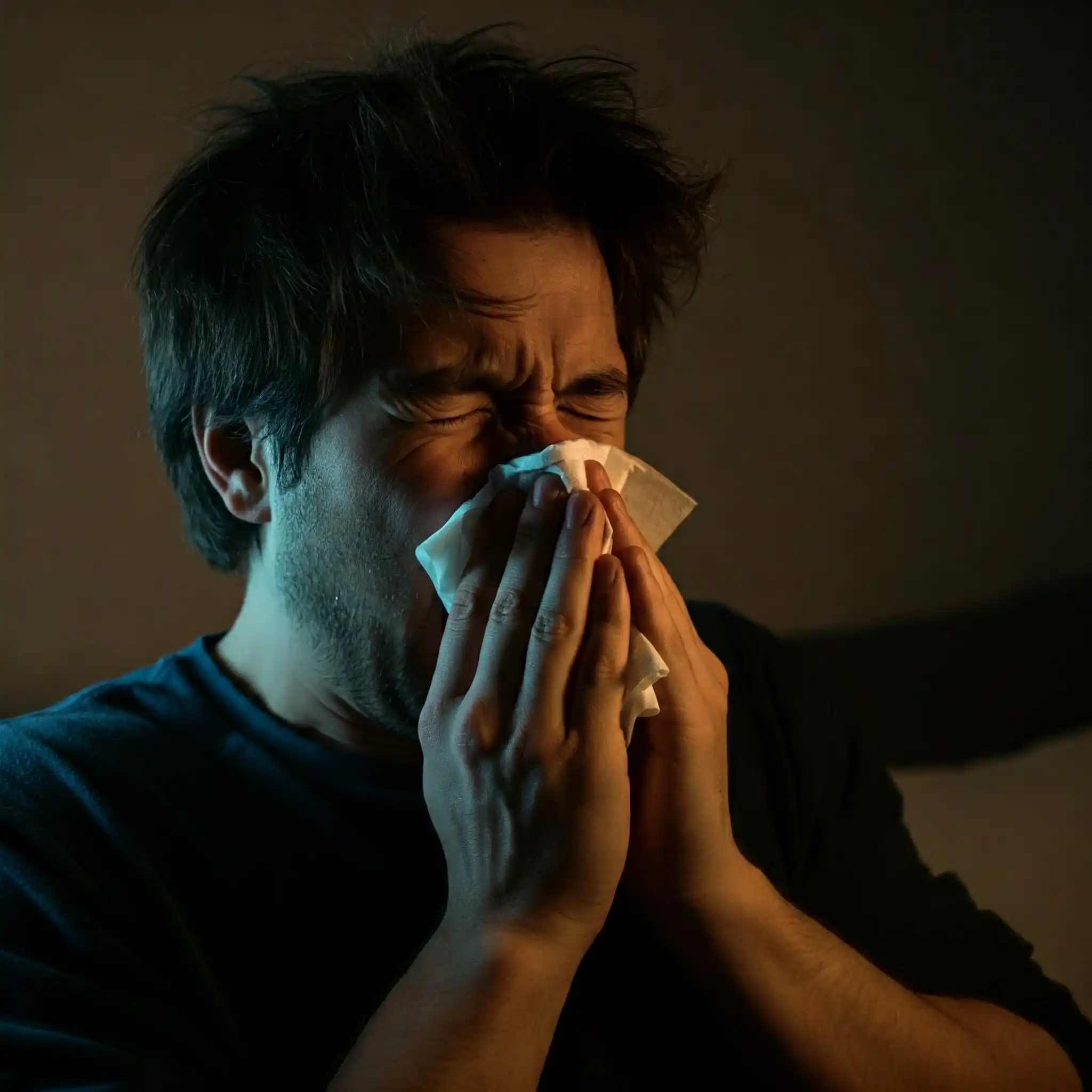
Allergic rhinitis, commonly known as hay fever, can make you feel miserable with its sneezing, itching, and congestion. But with the right allergic rhinitis self-care strategies, you can significantly reduce your symptoms and improve your quality of life.
This post will guide you through the causes, symptoms, and most importantly, effective self-care tips for managing allergic rhinitis.
What is Allergic Rhinitis?
Allergic rhinitis or hay fever is an allergic reaction to airborne substances like pollen, dust mites, pet dander, and mould. When these allergens enter your nasal passages, your immune system overreacts, releasing histamine and other chemicals that cause inflammation and the characteristic symptoms of allergic rhinitis.
Allergic Rhinitis Symptoms
- Runny nose with clear, watery mucus
- Stuffy nose
- Sneezing
- Itchy nose, eyes, and throat
- Watery eyes
- Coughing
- Fatigue
- Headache
- Dark circles under the eyes (allergic shiners)
Causes of Allergic Rhinitis
- Outdoor allergens: Pollen from trees, grasses, and weeds.
- Indoor allergens: Dust mites, pet dander, mould spores, and cockroaches.
- Irritants: Smoke, perfumes, and strong odours.
Allergic Rhinitis Self-Care Tips
1. Identify and Avoid Triggers
This is the cornerstone of allergic rhinitis management. Keep a detailed diary to track your symptoms, noting the time of day, location, and any potential allergens you may have been exposed to. This can help you pinpoint specific triggers. Once you know your triggers, take steps to minimize your exposure. This may involve:
Staying indoors on high pollen count days: Monitor pollen forecasts and limit your outdoor activities when pollen counts are high. Keep windows closed during these periods and use air conditioning if possible.
Using dust mite-proof covers for your bedding: Encase your mattress, pillows, and box springs in dust mite-proof covers. Wash your bedding weekly in hot water (at least 130°F) to kill dust mites.
Keeping pets out of your bedroom: If you're allergic to pet dander, keep pets out of your bedroom and off furniture where you sit. Bathe pets regularly to reduce dander.
Using air filters to remove allergens from the air: Use high-efficiency particulate air (HEPA) filters in your home to remove allergens from the air. Consider using a portable HEPA filter in your bedroom.
Minimizing exposure to mould: Keep your home clean and dry to prevent mould growth. Fix any leaks promptly and use exhaust fans in bathrooms and kitchens.
2. Keep Your Nasal Passages Clean
Regularly rinsing your nasal passages with a saline solution can help flush out allergens and mucus, reducing inflammation and congestion. You can use a neti pot, a saline spray, or a bulb syringe.
- Neti pot: This involves pouring a saline solution through one nostril and allowing it to drain out the other.
- Saline spray: This is a convenient option for rinsing your nasal passages.
- Bulb syringe: This is a good option for young children.
3. Manage Indoor Humidity
Maintaining optimal humidity levels can help reduce allergens like dust mites and mould. Use a dehumidifier to reduce humidity and prevent mould growth, especially in damp areas like basements and bathrooms.
Aim for a humidity level below 50%. You can also use a humidifier when the air is dry, especially during the winter months when indoor heating can dry out the air. Aim for a humidity level between 30% and 50%.
4. Natural Remedies
Some people find relief from natural remedies like:
- Saline rinses: As mentioned earlier, saline rinses help to flush out allergens and mucus.
- Nasal irrigation with a neti pot: This is another way to rinse your nasal passages with saline solution.
- Consuming local honey: Some believe that consuming local honey can help desensitize you to local pollen.
- Acupuncture: Some studies suggest that acupuncture may be helpful for relieving allergy symptoms.
- Vaporizer: Using a vaporizer or steam inhaler can help to moisten the nasal passages and loosen mucus. You can add essential oils like eucalyptus or peppermint to the vaporizer for added relief.
When Self-Care Remedies Don’t Work
When self-care tips don’t help, several allergic rhinitis treatments can effectively manage symptoms and improve your quality of life. These include:
Medications
- Antihistamines: These block the action of histamine, a chemical released by your body during an allergic reaction.
- Decongestants: These help to clear up a stuffy nose.
- Nasal corticosteroids: These reduce inflammation in your nasal passages.
- Leukotriene modifiers: These block the action of leukotrienes, another chemical involved in allergic reactions.
Immunotherapy
- Allergy shots: These involve regular injections of small amounts of allergens to help your body build up tolerance.
- Sublingual immunotherapy (SLIT): This involves placing tablets or drops containing allergens under your tongue.
Can Allergic Rhinitis be Cured Permanently?
Unfortunately, there's currently no way to permanently cure allergic rhinitis. However, with the right treatment and self-care strategies, most people can effectively manage their symptoms and live normal lives.
Some people may find that their symptoms improve or even disappear over time, especially children. However, it's also possible for allergies to develop later in life or for sensitivities to change.
In Conclusion
Allergic rhinitis can be a frustrating condition, but with the right allergic rhinitis self-care strategies and treatments, you can take control of your symptoms and live a more comfortable life. By understanding your triggers and implementing these self-care tips, you can minimize the impact of allergies on your daily life. If your symptoms are severe or persistent, don't hesitate to seek professional help.
Looking for affordable medicines and healthcare products but don't know where to buy them? Check out our Dawaa Dost website where we make quality and affordable medicines accessible to all!




 0
0