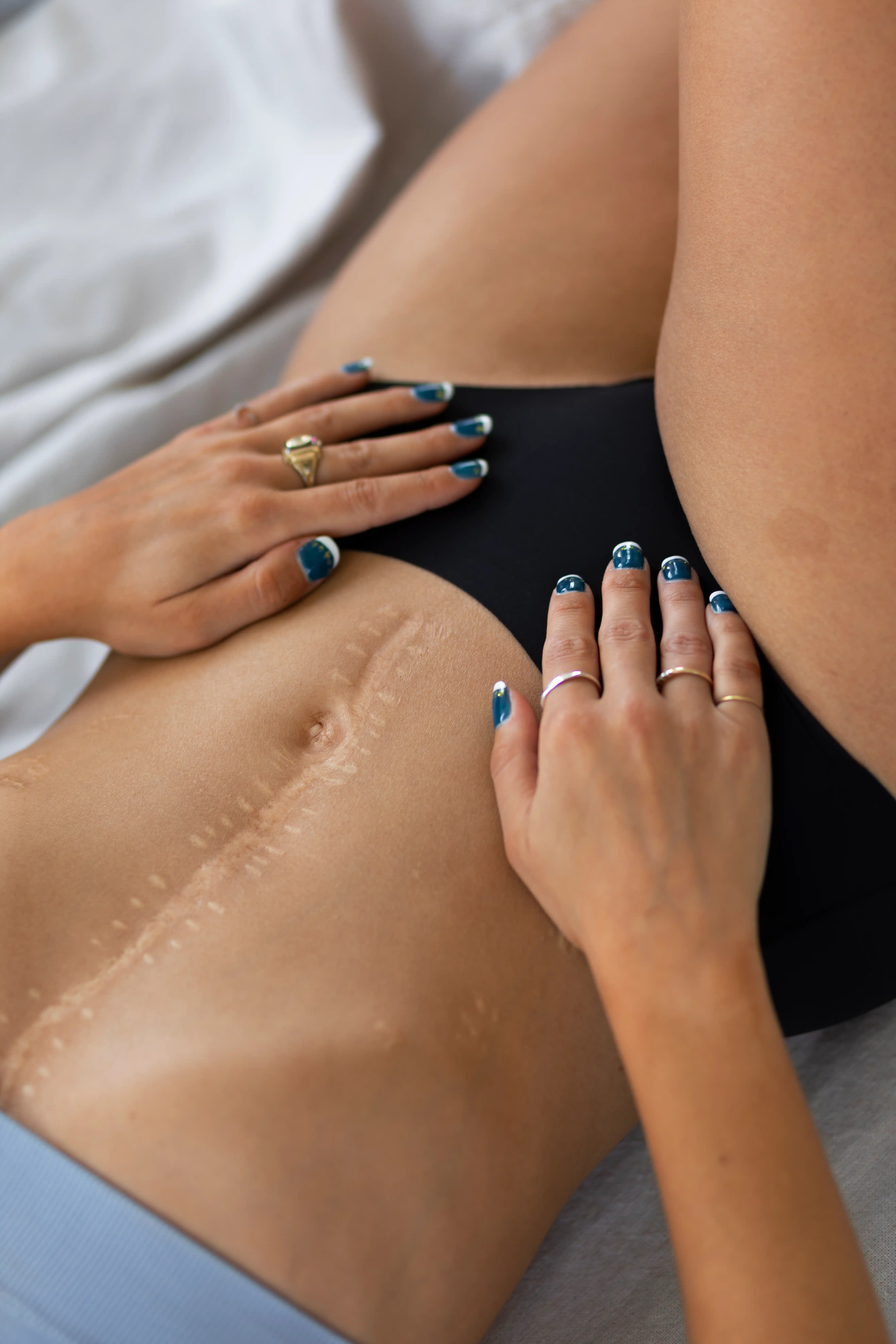
Stretch marks, also known as striae, are a common skin concern that can affect anyone, regardless of age or gender. These visible lines, often reddish or purplish in color, form when the skin is stretched beyond its natural limit. They typically appear during pregnancy, puberty, weight gain or loss, and even due to intense physical activity. While stretch marks are harmless, many people seek ways to prevent or reduce them for aesthetic reasons.
In this blog, we’ll explore everything you need to know about stretch marks—their causes, prevention, and how to treat them effectively. Plus, we'll introduce Luciara Cream, a specialized product to help prevent and reduce the appearance of stretch marks, available on Dawadost.
What Are Stretch Marks?
Stretch marks occur when the skin is overstretched and the underlying tissues tear. This causes the formation of streaks or lines, which initially appear red, purple, or pink but may fade over time to a lighter, silvery tone.
Common areas where stretch marks appear include:
- Abdomen
- Breasts
- Thighs
- Hips
- Buttocks
- Upper arms
Causes of Stretch Marks
Stretch marks are primarily caused by the skin’s inability to keep up with the rapid stretching or shrinking of the body. Here are the most common factors that lead to stretch marks:
1. Pregnancy
As the abdomen grows to accommodate the baby, the skin stretches significantly, leading to stretch marks, especially in the later stages of pregnancy.
2. Puberty
Teenagers often experience rapid growth during puberty, leading to stretch marks on the hips, thighs, and breasts.
3. Weight Gain or Loss
A sudden increase or decrease in weight can cause the skin to stretch or shrink quickly, resulting in stretch marks.
4. Genetics
If your parents had stretch marks, there’s a higher chance you’ll develop them too. Genetics plays a role in how elastic your skin is.
5. Corticosteroid Use
Extended use of corticosteroids can decrease collagen in the skin, reducing its ability to stretch and increasing the likelihood of developing stretch marks.
How to Prevent Stretch Marks
While it’s not always possible to completely prevent stretch marks, certain measures can help minimize their occurrence.
1. Moisturize Regularly
Keeping your skin well-hydrated is one of the best ways to prevent stretch marks. Moisturizers improve skin elasticity, making it more resilient when it’s stretched.
Luciara Cream is specially designed to prevent stretch marks by deeply moisturizing the skin and enhancing its elasticity. Its formula is safe for pregnant women and those with sensitive skin, making it an ideal choice for anyone looking to reduce the risk of stretch marks. You can purchase Luciara Cream on Dawadost for effective stretch mark prevention.
2. Maintain a Healthy Weight
Avoiding rapid weight fluctuations can significantly reduce your risk of developing stretch marks. A balanced diet and regular exercise will help you maintain a healthy, stable weight, giving your skin time to adjust naturally.
3. Stay Hydrated
Drinking plenty of water keeps your skin hydrated and more elastic. Well-hydrated skin is less prone to tearing, which helps in preventing stretch marks.
4. Eat a Nutrient-Rich Diet
A diet rich in vitamins and minerals supports skin health and elasticity. Nutrients like vitamins A, C, E, and zinc promote collagen production, which is vital for skin elasticity.
How to Treat Stretch Marks
If you already have stretch marks, there are several ways to reduce their appearance. While these methods won’t eliminate stretch marks completely, they can help make them less noticeable.
1. Use Stretch Mark Creams
Creams specifically designed for stretch marks can help reduce their appearance. Luciara Cream is a popular option because of its ability to deeply nourish and hydrate the skin, helping to minimize the visibility of existing stretch marks. Regular use of this cream can make stretch marks fade faster, leaving your skin smoother and more even-toned.
2. Exfoliate Your Skin
Exfoliating the skin can help remove dead skin cells and stimulate the production of new, healthy cells. Over time, this may improve the appearance of stretch marks by promoting the regeneration of the skin.
3. Massage the Affected Areas
Massaging the skin with oils like coconut or almond oil can help improve circulation and stimulate collagen production. This can make stretch marks less visible over time.
4. Laser Therapy
For deeper, more stubborn stretch marks, laser therapy can be an effective treatment option. This medical procedure helps stimulate collagen production and encourages skin regeneration, which can help reduce the appearance of stretch marks.
Myths About Stretch Marks
Stretch marks are often misunderstood, and there are many myths surrounding them. Here’s a quick look at some common misconceptions:
Myth 1: Stretch Marks Only Happen During Pregnancy
Stretch marks can happen to anyone, not just pregnant women. They are common during puberty, weight fluctuations, and even bodybuilding.
Myth 2: Stretch Marks Will Go Away on Their Own
While stretch marks may fade over time, they won’t disappear completely without treatment. However, products like Luciara Cream can help reduce their appearance significantly.
Myth 3: Thin People Don’t Get Stretch Marks
Stretch marks are not limited to overweight individuals. Even thin people can get stretch marks during periods of rapid growth, such as puberty or pregnancy.
When to See a Doctor
In most cases, stretch marks are a cosmetic concern and do not require medical attention. However, if your stretch marks are causing discomfort, or if they’re accompanied by other symptoms like itching, swelling, or pain, you should consult a dermatologist.
Conclusion
Stretch marks are a natural part of life for many people. While they are a common skin condition, there are ways to prevent and reduce their appearance. Keeping your skin moisturized with products like Luciara Cream, maintaining a healthy weight, and following a balanced diet can all help.
For those looking to prevent stretch marks, Luciara Cream offers a deeply moisturizing solution to keep your skin soft, supple, and elastic. Available on Dawadost, this cream is specially designed to help reduce and prevent stretch marks, making it an essential part of your skincare routine.
Stay proactive about your skin’s health with Dawadost, and give your skin the care it deserves!




 0
0