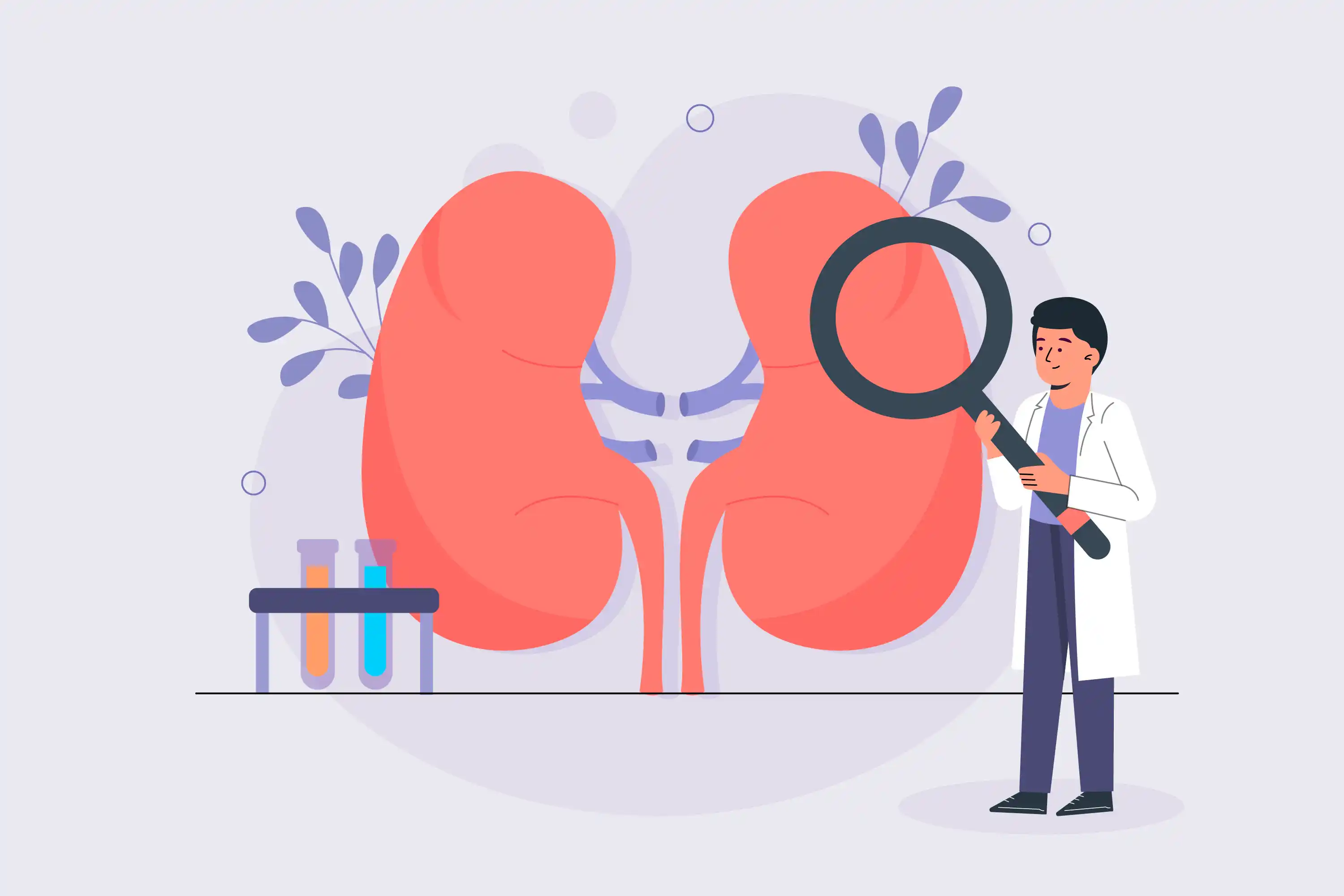
Chronic Kidney Disease (CKD) is a gradual and often silent condition where your kidneys lose their ability to filter waste and excess fluids from your blood effectively. This progressive loss of kidney function can lead to various health complications if left unmanaged.
This blog post provides valuable information about CKD, including its causes, symptoms, and management strategies, empowering you to take proactive steps towards preserving your kidney health.
What is Chronic Kidney Disease?
Your kidneys are vital organs responsible for filtering waste products, excess fluids, and toxins from your blood. In CKD, this filtering process is compromised, leading to a buildup of harmful substances in your body. CKD is a progressive disease, meaning it worsens over time. In its advanced stages, it can lead to kidney failure, requiring dialysis or a kidney transplant.
The disease is characterized by an estimated glomerular filtration rate of less than 60 mL/min/1.73 m² for 3 months or longer.
Causes of Chronic Kidney Disease
Several factors can contribute to the development of CKD:
- Diabetes: High blood sugar levels can damage the blood vessels in your kidneys.
- High Blood Pressure: Increased pressure on the blood vessels in your kidneys can cause damage.
- Glomerulonephritis: Inflammation of the filtering units (glomeruli) in your kidneys.
- Polycystic Kidney Disease: A genetic disorder causing cysts to grow in your kidneys.
- Kidney Infections: Frequent or severe kidney infections can lead to kidney damage.
- Certain Medications: Long-term use of some medications can harm your kidneys.
- Obstructions: Blockages in the urinary tract, such as kidney stones, can impair kidney function.
Symptoms of Chronic Kidney Disease
Early stages of CKD often have no noticeable symptoms. As the disease progresses, you may experience:
- Changes in urination: Increased frequency, difficulty urinating, or foamy urine.
- Swelling: In your legs, ankles, feet, or face due to fluid retention.
- Fatigue: Feeling tired and lacking energy.
- Skin problems: Dry and itchy skin.
- Metallic taste in your mouth and bad breath.
- Nausea and vomiting.
- Loss of appetite and unintentional weight loss.
- Sleep problems.
- Changes in mental alertness.
Managing Chronic Kidney Disease
While CKD cannot be cured, its progression can be slowed and complications managed through a combination of lifestyle modifications, medications, and in advanced stages, dialysis or a kidney transplant.
1. Lifestyle Changes
- Healthy Diet:
- Limit Sodium: Reduce your salt intake to control blood pressure and fluid retention. Avoid processed foods, canned soups, and salty snacks.
- Control Potassium: If your potassium levels are high, you may need to limit foods like bananas, oranges, potatoes, and tomatoes.
- Manage Phosphorus: Restrict phosphorus intake to protect your bones. Dairy products, beans, and colas are high in phosphorus.
- Healthy Protein Intake: Work with a dietitian to determine the appropriate amount of protein for your needs.
- Regular Exercise: Aim for at least 30 minutes of moderate-intensity exercise most days of the week. Exercise helps control blood pressure, weight, and improves overall health.
- Maintain a Healthy Weight: Losing weight if you're overweight or obese can reduce stress on your kidneys and improve blood pressure and blood sugar control.
- Quit Smoking: Smoking accelerates kidney damage.
- Limit Alcohol Consumption: Excessive alcohol can worsen kidney function.
2. Medications
- Blood Pressure Medications: Angiotensin-converting enzyme (ACE) inhibitors or angiotensin receptor blockers (ARBs) are commonly used to lower blood pressure and protect kidneys.
- Diabetes Medications: Keeping blood sugar levels within a healthy range is crucial for people with diabetes.
- Medications to Lower Cholesterol: Statins can help lower cholesterol and protect your heart and blood vessels.
- Erythropoietin: This medication stimulates red blood cell production and can help treat anaemia associated with CKD.
- Phosphate Binders: These medications help control phosphorus levels in your blood.
3. Dialysis
When your kidneys can no longer filter your blood adequately, dialysis may be necessary. There are two main types of dialysis:
- Haemodialysis: Your blood is filtered through a machine outside your body.
- Peritoneal Dialysis: A cleansing fluid is circulated through your abdomen to filter waste products.
4. Kidney Transplant
A kidney transplant involves replacing a diseased kidney with a healthy kidney from a donor. This can improve your quality of life and eliminate the need for dialysis.
In Conclusion
Chronic kidney disease is a serious condition, but with early detection and appropriate management, you can significantly slow its progression and maintain a good quality of life.
If you have risk factors for CKD, such as diabetes or high blood pressure, talk to your doctor about getting tested. By adopting a healthy lifestyle and following your doctor's recommendations, you can protect your kidney health and overall well-being.
Looking for affordable medicines and healthcare products but don't know where to buy them? Check out our Dawaa Dost website where we make quality and affordable medicines accessible to all!
Sources:
https://www.kidney.org/kidney-topics/chronic-kidney-disease-ckd
https://www.niddk.nih.gov/health-information/kidney-disease/chronic-kidney-disease-ckd
Image Source: Image by freepik




 0
0