1. What is Ridol Tablet and what is it used for?
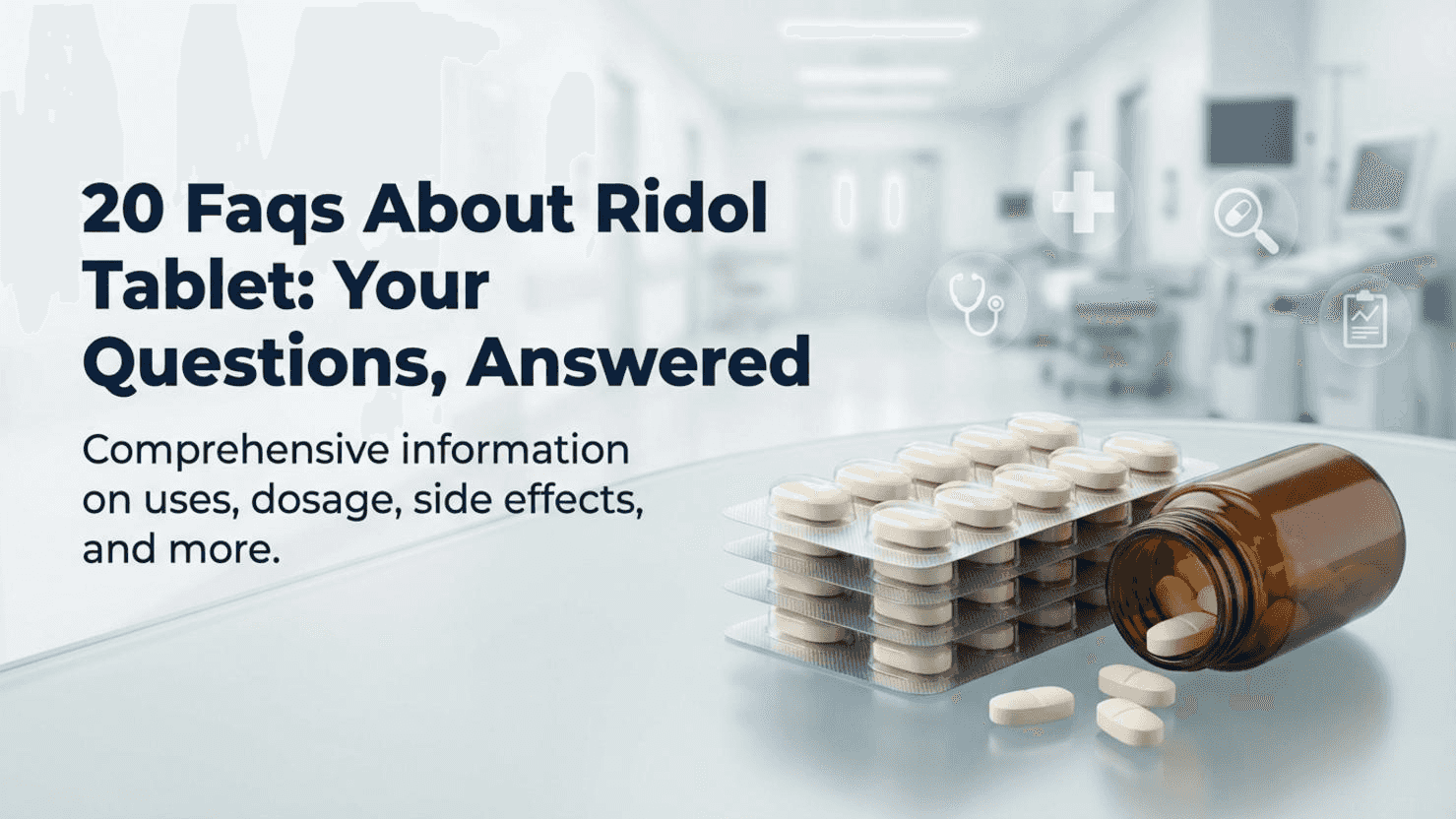
Ridol Tablet contains Loperamide (2mg) as its active ingredient. It is primarily used to treat sudden (acute) or persistent (chronic) diarrhea by slowing down gut movement, which helps to decrease the number and frequency of loose motions. It is not an antibiotic and does not treat infections but helps control symptoms.
2. How does Ridol Tablet work in the body?
Ridol Tablet works by acting on the opioid receptors in the gut wall. This reduces the movement of the intestines, making stools more solid and less frequent. As a result, it provides relief from diarrhea but does not cure the underlying cause such as infection.
3. How should I take Ridol Tablet?
Always take Ridol Tablet exactly as prescribed by your doctor. The usual adult dose is 2mg after the first loose stool, followed by 1 tablet after each subsequent loose stool. Do not exceed the recommended maximum daily dose, and take it with or without food, as advised.
4. Can Ridol Tablet be used in children?
Ridol Tablet is generally not recommended for children under 12 years of age unless prescribed by a pediatrician. In younger children, the risks may outweigh the benefits, so always consult a doctor before giving this medication to children.
5. Is Ridol Tablet safe during pregnancy or breastfeeding?
If you are pregnant or breastfeeding, consult your doctor before using Ridol Tablet. Although it may be prescribed in some cases, it should only be used if the potential benefits outweigh the risks. Always follow medical advice regarding its use during pregnancy or lactation.
6. What are the common side effects of Ridol Tablet?
Common side effects of Ridol Tablet include constipation, abdominal pain, nausea, dizziness, and flatulence. Most side effects are mild and temporary. If you experience severe abdominal swelling or allergic reactions such as rash, stop the medicine and seek immediate medical help.
7. Can I take Ridol Tablet with other medications?
Always inform your doctor about all medicines you are taking before starting Ridol Tablet. Some drugs, such as certain antibiotics or antifungals, may interact and increase the risk of side effects. Avoid combining Ridol Tablet with other medicines that slow down the gut unless directed by your healthcare provider.
8. How long does it take for Ridol Tablet to start working?
In most cases, Ridol Tablet begins to work within 1–3 hours after taking the first dose. It helps reduce stool frequency and improves stool consistency relatively quickly. If symptoms persist after 48 hours, consult your doctor.
9. What should I do if I miss a dose?
If you miss a dose of Ridol Tablet, take it as soon as you remember. Do not take two doses at once to make up for the missed dose. The medicine is used as-needed for symptoms, so only take when required based on your doctor’s instructions.
10. Is Ridol Tablet habit-forming?
No, Ridol Tablet (Loperamide) is not habit-forming or addictive when used as prescribed. However, misusing or taking it in higher doses than recommended can cause serious health issues. Always use under medical supervision.
11. Can I drive or operate machinery after taking Ridol Tablet?
Ridol Tablet may cause dizziness or drowsiness in some people. If you feel drowsy, dizzy, or tired after using this medication, avoid driving or using machinery until you know how it affects you.
12. Should Ridol Tablet be taken with or without food?
Ridol Tablet can be taken with or without food, according to your preference. It does not interact significantly with food, but taking it after food may reduce the chance of stomach upset.
13. What precautions should I take while using Ridol Tablet?
Avoid taking Ridol Tablet if you have severe stomach pain, blood in stools, fever, or a suspicion of infectious diarrhea. Talk to your doctor before using it if you have liver problems, and do not use it for longer than prescribed.
14. Can everyone use Ridol Tablet?
Ridol Tablet is not suitable for everyone. People with certain conditions such as lactose intolerance, severe liver disease, certain infections, or children under 12 should consult a doctor before use. Always check with your healthcare provider for your individual suitability.
15. What should I do in case of an overdose?
If you accidentally take more than the recommended dose of Ridol Tablet, seek medical attention immediately. Symptoms of overdose may include rapid heartbeat, unresponsiveness, coordination issues, or difficulty breathing.
16. Can I use Ridol Tablet for all types of diarrhea?
Ridol Tablet should be used for non-infectious diarrhea, such as traveler’s diarrhea, or as directed for chronic diarrhea conditions. It is not recommended for diarrhea caused by certain infections, or when there is high fever or blood in stools, unless prescribed by a doctor.
17. Does Ridol Tablet prevent dehydration?
Ridol Tablet helps reduce stool output but does not replace lost fluids or electrolytes. It is important to drink adequate fluids, such as oral rehydration solution (ORS), to prevent dehydration during episodes of diarrhea.
18. Are there any foods or drinks to avoid while taking Ridol Tablet?
While no foods are strictly forbidden, it is advisable to avoid greasy, spicy, or dairy-based foods if you have diarrhea. Stay hydrated with clear fluids and follow your doctor’s dietary advice for a quick recovery.
19. Can Ridol Tablet be used long term?
Long-term use of Ridol Tablet should only be under strict medical supervision. Continuous or repeated use may mask underlying health conditions and cause safety concerns. Consult your doctor if you find yourself needing it regularly.
20. Where can I find more information about Ridol Tablet and related medicines?
For more reliable information on Ridol Tablet, always consult your healthcare provider or look for trusted resources. You can also explore educational topics on the Blog for updates and health tips on various medicines and general wellness.




 0
0