logo.webp

Log in To Dawaa Dost

Welcome! Please enter your details

You want to Leave?

  • Home
  • Blog
  • Side Effects Of Ridol Tablet And What To Do About Them

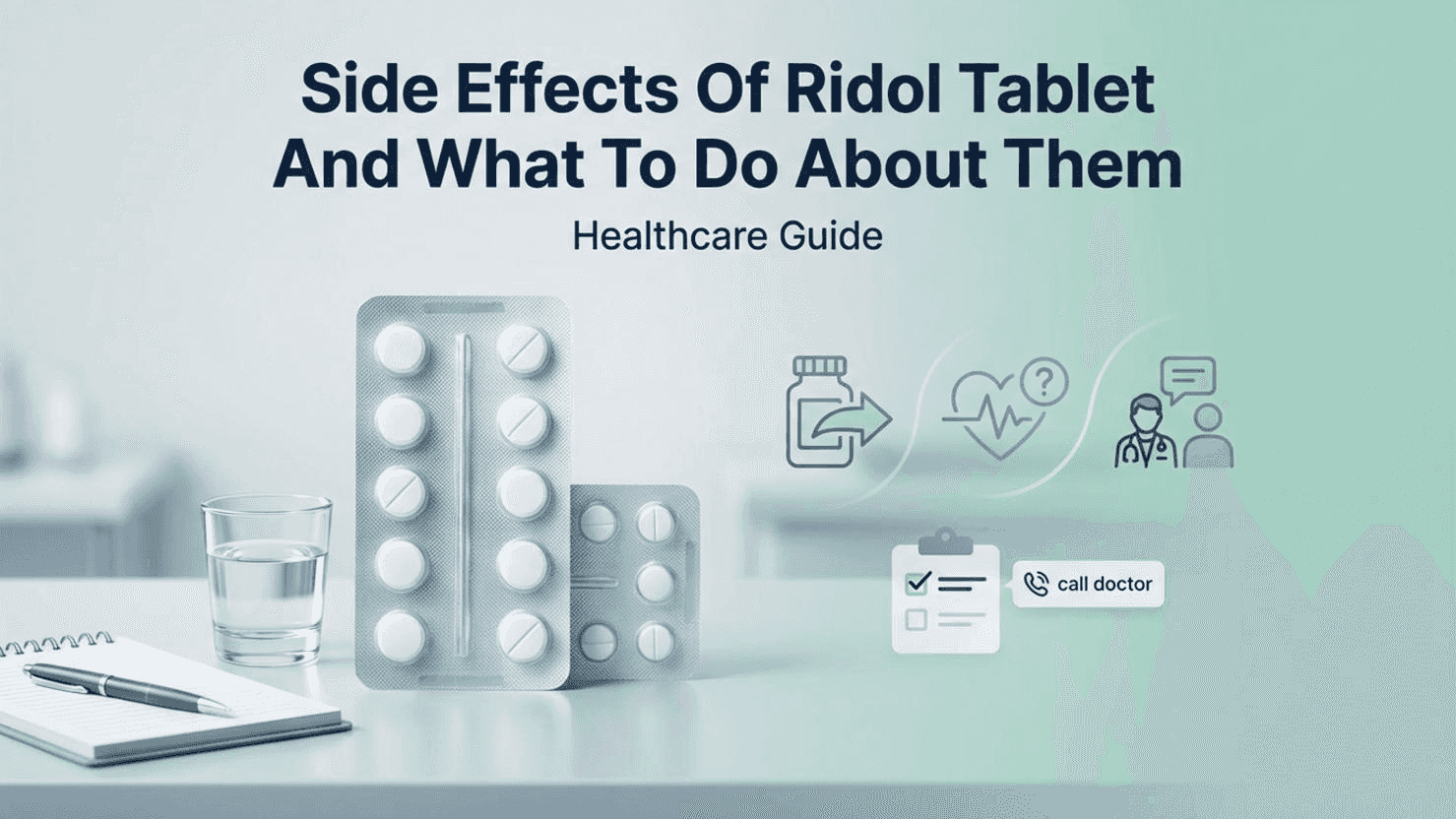
Side Effects Of Ridol Tablet And What To Do About Them

9 min read

In this blog

  • Introduction
  • 10 Side Effects of Ridol Tablet
  • Ridol Tablet Overdose
  • Drug Interactions
  • When to Avoid Ridol Tablet
  • Price & Availability
  • Conclusion
  • FAQs

Introduction

Ridol Tablet is a widely used medicine for relieving acute or chronic diarrhea. The main active ingredient in Ridol Tablet is Loperamide (2mg), which helps reduce excessive bowel movement and restores normal stool consistency. While Ridol Tablet offers effective relief, it is important to know about possible side effects, drug interactions, and safe usage. This article provides a complete guide on the side effects of Ridol Tablet, how to manage them, and critical safety information. For more information on gut health, visit this Related Condition page.

10 Side Effects of Ridol Tablet

1. Constipation

Constipation is one of the most frequent side effects of Ridol Tablet. Loperamide works by slowing down the movement of the gut, which helps reduce diarrhea but can also make stools harder to pass, leading to constipation in some users.

2. Abdominal Cramps

Abdominal cramps may occur as the bowel movements slow under the effect of loperamide. This happens because the intestines contract less frequently, which can cause mild to moderate stomach discomfort.

3. Nausea

Nausea can develop as a response to changes in bowel movement and gut motility. The slower movement of the digestive tract may lead to feelings of uneasiness or queasiness.

4. Flatulence (Gas)

Increased gas or bloating is possible because food stays longer in the intestines. As digestion slows down, bacteria break down food for a longer period, releasing gas.

5. Drowsiness or Tiredness

Some users may feel sleepy or unusually tired. This is because loperamide can cross the blood-brain barrier in small amounts, occasionally causing mild sedation or fatigue.

6. Dry Mouth

Experiencing a dry mouth may occur due to reduced gastrointestinal secretions. Slower bowel movement affects the production of fluids in the digestive system, leading to dryness.

7. Vomiting

Some people may develop vomiting, especially if their gut slows down excessively. This is a reaction to the body trying to expel something it perceives as irritating or hard to digest.

8. Skin Rash or Itching

Allergic reactions to loperamide, though rare, can present as a rash or itching. If this side effect appears, it is important to consult a healthcare professional promptly.

9. Dizziness

Feeling dizzy can occur, especially on standing up quickly. This could be because of mild dehydration, reduced gut movement, or a slight drop in blood pressure.

10. Difficulty Urinating

In rare cases, Ridol Tablet may cause trouble passing urine. This occurs when the medicine affects smooth muscles, not just in the gut but also in the urinary tract.


Ridol Tablet Overdose

An overdose of Ridol Tablet can be serious and needs immediate medical attention. Symptoms include severe constipation, bloating, abdominal pain, irregular heartbeat (arrhythmia), fainting, extreme drowsiness, and difficulty breathing. In severe cases, nervous system depression or life-threatening heart rhythms may occur. If you or someone else has taken more than the recommended dose, seek emergency medical help right away. Do not attempt to treat an overdose at home.

Drug Interactions

Ridol Tablet (Loperamide 2mg) can interact with several medicines, potentially increasing the risk of side effects. Here are some common drugs that interact with Ridol Tablet:

  • Antibiotics (e.g., erythromycin, clarithromycin): May affect loperamide metabolism.
  • Antifungals (e.g., ketoconazole, itraconazole): Can increase loperamide levels in the body.
  • Antiretrovirals (e.g., ritonavir, saquinavir): May alter the way Ridol Tablet is broken down.
  • Quinidine: Increases the absorption of loperamide, raising side effect risks.
  • CNS depressants (e.g., opioid painkillers, sedatives): May enhance drowsiness and respiratory depression.

Always inform your doctor about all current medications to avoid dangerous interactions.

When to Avoid Ridol Tablet

There are specific conditions and situations where Ridol Tablet should be avoided:

  • Pregnancy & Breastfeeding: Safety data is limited; take only if prescribed by a doctor.
  • Liver Disease: Loperamide is processed by the liver; impaired liver function can raise the risk of toxicity.
  • Children under 12 years: Use only under strict medical supervision, as safety for young children is not well established.
  • Allergy: If you are allergic to loperamide or any of the tablet ingredients, do not take Ridol Tablet.
  • Blood in Stools or High Fever: Avoid use if diarrhea is accompanied by blood or high fever, as different treatment may be needed.
  • Conditions Causing Constipation: Persons with abdominal pain without diarrhea, or bowel obstruction, should not take Ridol Tablet.

Price & Availability

Ridol Tablet (Loperamide 2mg) is easily available on trusted online pharmacies such as Dawaa Dost. You can verify current prices, packaging options, and read authentic reviews on their website. Always purchase medicines from reputable sources for safety and quality assurance.

Conclusion

Ridol Tablet is generally safe and highly effective for controlling diarrhea when used correctly. However, it may cause side effects like constipation, cramps, or drowsiness. Always use it under medical advice, especially if you have other health conditions or are taking other medicines. Never exceed the recommended dose, and consult your doctor immediately if you notice unusual symptoms. For ongoing stomach problems, you might find this Related Condition article helpful. Prioritize your health and safety with every medicine you use.

FAQs

  1. What are the most common side effects of Ridol Tablet?
    Constipation, abdominal cramps, nausea, drowsiness, and flatulence are among the most frequently reported side effects.
  2. How can I minimize side effects while using Ridol Tablet?
    Use the lowest effective dose, stay hydrated, and consult your doctor if any symptoms persist or worsen.
  3. Is Ridol Tablet safe for children?
    It should only be given to children under close medical supervision and is generally not recommended for kids under 12 without a doctor’s advice.
  4. When should I stop taking Ridol Tablet and seek medical help?
    Stop immediately and get help if you experience allergic reactions, blood in stools, severe constipation, or irregular heartbeat.
  5. Can I take Ridol Tablet with other medications?
    Always inform your doctor of your medicines because Ridol Tablet can interact with antibiotics, antifungals, CNS depressants, and other drugs.

Disclaimer: This article is intended for informational purposes only and should not be considered a substitute for professional medical advice. Always consult a qualified healthcare provider for diagnosis and treatment of any health condition.

Popular Products