logo.webp

Welcome To Dawaa Dost

Enter your mobile number to continue

You want to Leave?

  • Home
  • Blog
  • Retinol Serum Uses for Aging Skin: What You Should Know

Retinol Serum Uses for Aging Skin: What You Should Know

6 min read
In this blog

  • Introduction
  • What Is Retinol and How Does It Work?
  • Key Benefits of Retinol Serum for Aging Skin
  • Understanding Minimalist Retinol 0.3% Face Serum
  • How to Use Retinol Serum Safely and Effectively
  • Tips to Maximize Retinol Serum Uses and Minimize Side Effects
  • What to Expect: Short-Term and Long-Term Results
  • Common Myths About Retinol Serum Uses
  • How Does Minimalist Retinol 0.3% Face Serum Compare to Other Anti-Aging Serums?
  • Who Should Avoid Retinol Serums?
  • Tips for Choosing the Right Retinol Serum for You
  • Conclusion
  • Frequently Asked Questions

Introduction

Aging skin can bring visible changes such as wrinkles, fine lines, and uneven tone, which are natural but often lead many of us to seek proven skincare solutions. One of the most studied and dermatologist-recommended ingredients for aging skin is retinol. Whether you are just starting your skincare journey or looking to enhance results, understanding Minimalist Retinol 0.3% Face Serum and its applications can be a game changer. This article explores retinol serum uses, especially for aging skin, and provides essential information to help you choose and use products like retinol thoughtfully. By the end, you'll be well-equipped to make informed decisions about integrating this renowned ingredient into your routine.

What Is Retinol and How Does It Work?

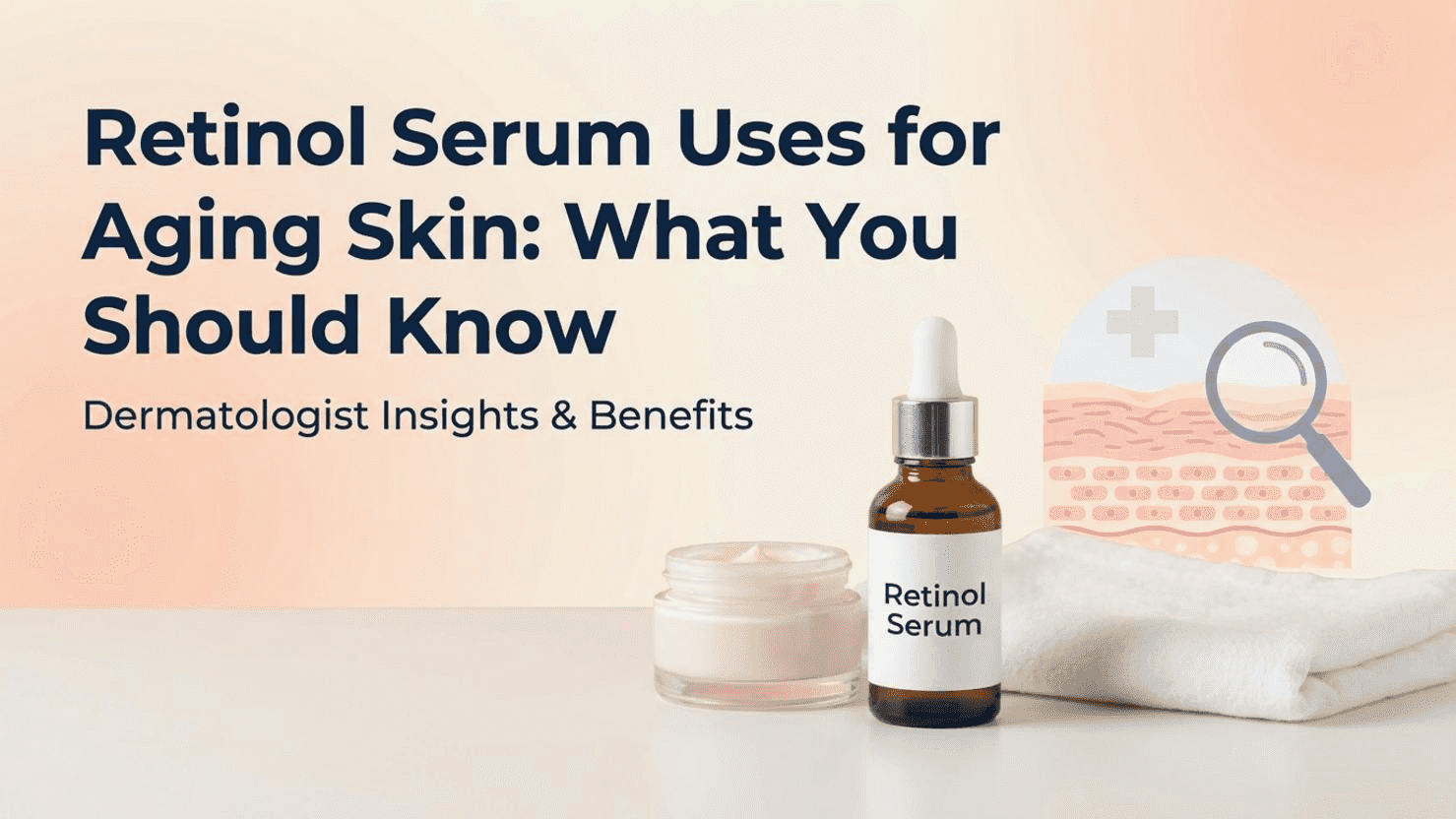
Retinol is a form of Vitamin A, a powerful antioxidant known for its ability to promote skin cell turnover and stimulate collagen production. This process helps slow and reduce visible signs of aging. When you apply retinol serum, it penetrates deep into the skin's layers, where it encourages skin cells to renew themselves more quickly and supports the building of new collagen and elastin fibers, giving skin a smoother and more youthful appearance over time.

Key Benefits of Retinol Serum for Aging Skin

Retinol serum uses go far beyond just treating wrinkles. Here are some of the most important benefits of using retinol for aging skin:

  • Reduces Fine Lines and Wrinkles: Retinol stimulates collagen and elastin production, helping soften the look of fine lines over time.
  • Improves Skin Texture: Regular use smoothens rough skin, making it feel softer and appear more even.
  • Promotes Even Skin Tone: Retinol helps minimize age spots, hyperpigmentation, and sun damage by accelerating cell turnover.
  • Prevents New Signs of Aging: By improving skin health, retinol helps delay the formation of new wrinkles and age spots.
  • Minimizes Pores: Retinol can help reduce the appearance of enlarged pores, resulting in a refined complexion.

Understanding Minimalist Retinol 0.3% Face Serum

Minimalist Retinol 0.3% Face Serum is formulated with a gentle yet effective concentration of retinol (0.3%), making it suitable even for beginners or those with sensitive skin. Its advanced formulation is designed to maximize the anti-aging benefits while minimizing irritation. The serum also often includes additional skin-soothing ingredients like squalane to provide hydration and balance.

Who Can Benefit from Minimalist Retinol 0.3% Face Serum?

This serum is ideal for anyone starting to notice the first signs of aging or those looking to proactively maintain youthful skin. It’s suitable for most skin types, but if you have especially sensitive or reactive skin, consult a dermatologist before starting any new retinol product.

How to Use Retinol Serum Safely and Effectively

As powerful as retinol can be, correct usage is essential to avoid unnecessary dryness or irritation. Here’s how to integrate it into your skincare routine for optimal results:

  • Start Slowly: Begin applying Minimalist Retinol 0.3% Face Serum 2-3 nights a week, then gradually increase frequency as your skin adapts.
  • Nighttime Application: Retinol should always be used at night, as sunlight can break down its active compounds, reducing efficacy.
  • Cleanse First: Wash your face with a gentle cleanser, pat dry, then apply a pea-sized amount of serum evenly over the skin.
  • Moisturize: Follow up with a nourishing moisturizer to keep skin hydrated and reduce potential dryness.
  • Daily Sunscreen: Because retinol makes skin more sensitive to sunlight, always wear broad-spectrum sunscreen during the daytime.
  • Patience Is Key: Consistency is important—visible results usually appear after 8-12 weeks of regular use.

Tips to Maximize Retinol Serum Uses and Minimize Side Effects

Transitioning to retinol can sometimes cause mild irritation, redness, or dryness. These tips can help you get the most benefit while keeping your skin happy:

  • Patch Test: Before full application, test the serum on a small area to check for any adverse reaction.
  • Avoid Combining with Other Potents: Until your skin adjusts, avoid using other active ingredients like alpha hydroxy acids, beta hydroxy acids, or Vitamin C at the same time as retinol.
  • Hydration Is Essential: Use serums and creams with hyaluronic acid, glycerin, or squalane to maintain moisture balance.
  • Be Gentle: Skip harsh scrubs or exfoliants while you’re introducing retinol to your skincare routine.

What to Expect: Short-Term and Long-Term Results

Understanding the timeline helps set realistic expectations. In the first few weeks, you may notice improved skin texture and a subtle glow. Gradually, over 2-3 months, deeper improvements like reduced wrinkles and more even skin tone become noticeable. For optimal effects, continued use is necessary; if discontinued, the protective anti-aging benefits may decline.

Possible Side Effects and How to Manage Them

Retinol serums, especially at the recommended concentration in Minimalist Retinol 0.3% Face Serum, are generally well-tolerated. However, some people may experience dry patches, peeling, or redness when starting out. These typically resolve as your skin builds tolerance. To minimize discomfort, apply moisturizer and reduce usage frequency if side effects are challenging.

Common Myths About Retinol Serum Uses

Myth 1: Retinol thins your skin. In reality, retinol thickens the deeper layers of the skin by encouraging collagen production, making your skin healthier and more resilient.

Myth 2: Only mature skin needs retinol. Starting retinol in your late 20s or early 30s can help delay early signs of aging and maintain youthful skin longer.

For more tips and insights about healthy skin and related conditions, visit our Blog.

How Does Minimalist Retinol 0.3% Face Serum Compare to Other Anti-Aging Serums?

Choosing the right retinol serum is all about balancing efficacy with skin tolerance. Many over-the-counter serums use either high concentrations (which may increase irritation) or less stable forms of Vitamin A. Minimalist Retinol 0.3% Face Serum is carefully formulated to deliver optimal anti-aging results with reduced risk of side effects, thanks to its gentle concentration and careful inclusion of soothing ingredients.

Who Should Avoid Retinol Serums?

While retinol is generally safe for most adults, a few exceptions include those who are pregnant or breastfeeding, individuals with allergies to Vitamin A derivatives, or those who are currently experiencing active eczema or rosacea flare-ups. If you have any ongoing skin condition or take prescription medications for your skin, consult your healthcare provider or dermatologist before starting retinol serum.

Tips for Choosing the Right Retinol Serum for You

When choosing a retinol serum, look for a concentration suitable for your experience level and skin type. Minimalist Retinol 0.3% Face Serum is an excellent starting point for most people new to retinol. Ensure the product is packed in opaque packaging (retinol degrades in light) and check for supportive ingredients like squalane or ceramides, which boost hydration and tolerance.

Conclusion

Retinol serum uses for aging skin are backed by decades of research, and products like Minimalist Retinol 0.3% Face Serum offer an effective, well-tolerated introduction to this gold standard ingredient. With consistent use, retinol helps rejuvenate skin, soften wrinkles, and restore a youthful glow. Remember to introduce it gradually, always use sunscreen, and listen to your skin’s needs. For more personalized advice, consult your healthcare provider to tailor the anti-aging routine that works best for you. Ready to rediscover your skin’s youthful potential? There’s never been a better time to start.

Frequently Asked Questions

What are the main retinol serum uses for aging skin?

Retinol serum mainly helps reduce fine lines and wrinkles, improve skin texture, fade age spots and hyperpigmentation, and promote overall skin firmness and glow.

How should I start using Minimalist Retinol 0.3% Face Serum?

Begin by applying the serum 2-3 nights a week on cleansed skin, gradually increasing the frequency as your skin adapts, and always follow with moisturizer.

Are there any side effects to using retinol serum?

Some users may experience mild irritation, dryness, or redness initially, which usually decreases as the skin builds tolerance. Proper moisturizing and spacing out application can help minimize these effects.

Can retinol serum be used with other skincare products?

Yes, but you should avoid mixing retinol with other potent ingredients like alpha hydroxy acids or Vitamin C in the same routine until your skin is used to retinol. Always follow with a moisturizer.

Is Minimalist Retinol 0.3% Face Serum suitable for sensitive skin?

This product is designed to be gentle. However, if you have sensitive skin or a history of skin allergies, it’s best to patch test first or consult a dermatologist before starting any retinol product.

Disclaimer: This article is intended for informational purposes only and should not be considered a substitute for professional medical advice. Always consult a qualified healthcare provider for diagnosis and treatment of any health condition.

Popular Products