logo.webp

Welcome To Dawaa Dost

Enter your mobile number to continue

You want to Leave?

  • Home
  • Blog
  • Best Sunscreen for Combination Skin: How to Choose the Right One and Our Top Pick

Best Sunscreen for Combination Skin: How to Choose the Right One and Our Top Pick

2 min read

In this blog

  • Introduction
  • Understanding Combination Skin
  • Why Is Sunscreen Essential for Combination Skin?
  • What to Look for in the Best Sunscreen for Combination Skin
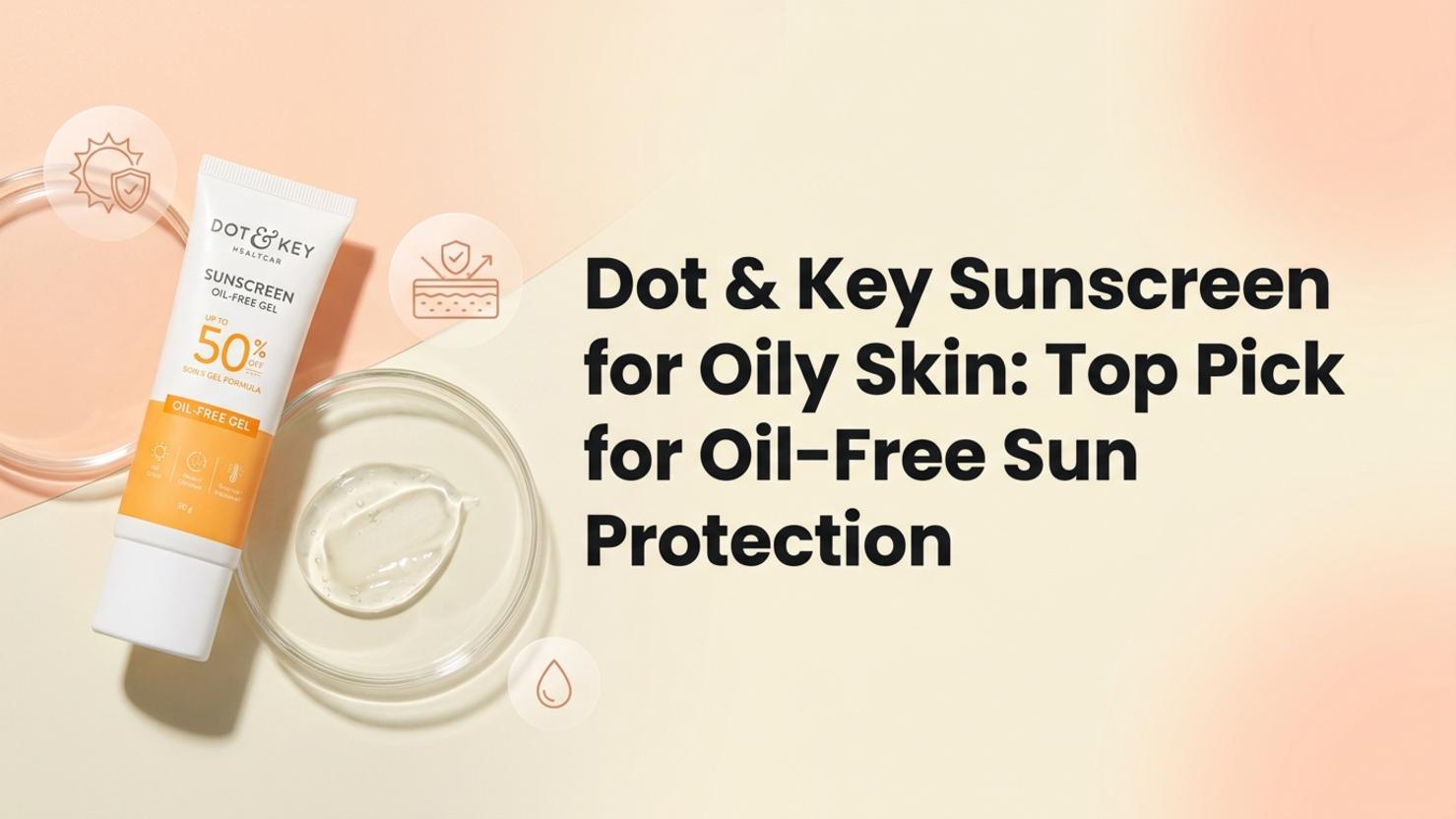
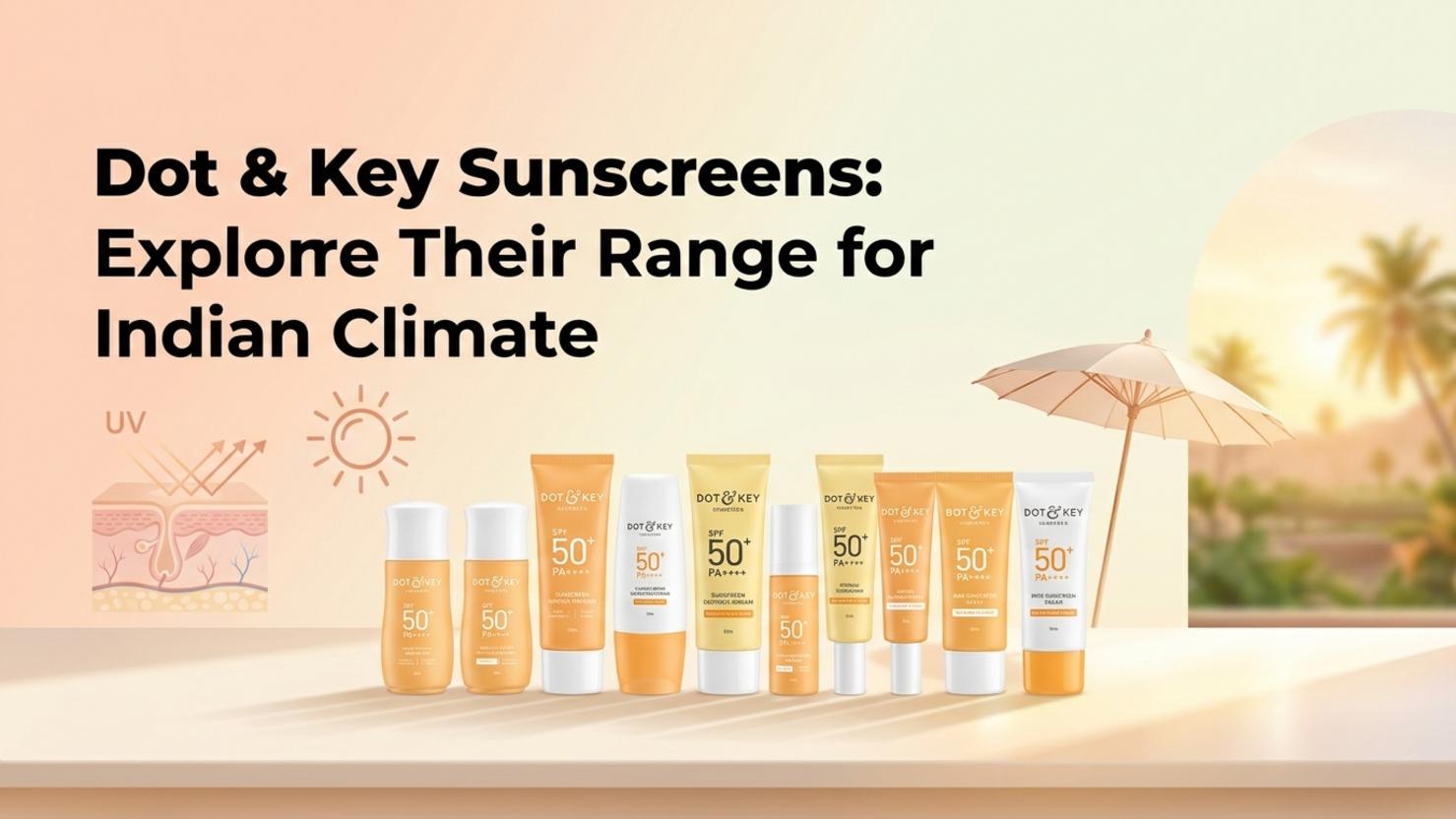
  • Our Top Pick: Dot & Key Watermelon Cooling Sunscreen Aqua Gel SPF 50+ PA++++
  • How to Use Dot & Key Watermelon Cooling Sunscreen for Best Results
  • Expert Tips for Sun Protection with Combination Skin
  • Conclusion
  • Frequently Asked Questions (FAQs)

Introduction

Finding the best sunscreen for combination skin can be a true challenge. If your skin feels dry in some places and oily in others, you know how tough it is to select a product that keeps you protected, comfortable, and shine-free throughout the day. Sun protection is essential for everyone, but those with combination skin need a sunscreen that hydrates dry areas without clogging pores or adding excess oil to the T-zone. In this comprehensive guide, we’ll explain what makes for the ideal sunscreen for combination skin, how to choose the right formula, and offer our top pick: Dot & Key Watermelon Cooling Sunscreen Aqua Gel SPF 50+ PA++++. Let’s discover how you can keep your skin healthy, protected, and glowing—even on the sunniest days.

Understanding Combination Skin

Before you can choose the best sunscreen for your needs, it’s important to understand the unique characteristics of combination skin. Combination skin typically means you have oily skin in your "T-zone" (forehead, nose, and chin) and normal or dry skin on your cheeks and jaw area. Because of these mixed skin types, you need products that provide the right balance of hydration and oil control. Using the wrong sunscreen can result in clogged pores, increased oiliness, or dry patches.

Why Is Sunscreen Essential for Combination Skin?

Regardless of your skin type, sunscreen is a non-negotiable part of your daily skincare routine. For combination skin, it’s even more critical:

  • Reduces the risk of sunburn and skin cancer by shielding skin from harmful UV rays.
  • Prevents premature aging and pigmentation.
  • Protects against environmental damage that can worsen both oily and dry areas.

However, not all sunscreens are created equal. Those with heavy or greasy formulas can increase shine and clog pores in oily areas, while mattifying formulas might over-dry your cheeks. That’s why choosing the right sunscreen for combination skin is so vital.

What to Look for in the Best Sunscreen for Combination Skin

When shopping for sunscreen, combination skin requires a delicate balance. Here’s what to keep in mind:

Lightweight and Non-Greasy Formula

Avoid thick, creamy sunscreens that feel heavy or sticky. Choose water-based or gel formulas that absorb quickly, won’t clog pores, and won’t leave behind a greasy residue.

High SPF and Broad-Spectrum Protection

Opt for sunscreens with at least SPF 50 to ensure effective defense against both UVA and UVB rays. Look for "broad-spectrum" on the label to be sure you're fully covered.

Oil-Free and Non-Comedogenic

Sunscreens labeled as oil-free and non-comedogenic are less likely to cause breakouts or exacerbate oily patches. This is ideal for keeping your T-zone shine-free while still moisturizing drier parts of your face.

Hydrating Ingredients

Even if you have oily areas, don’t neglect hydration! Look for ingredients like hyaluronic acid, glycerin, or natural fruit extracts to keep cheeks soft and supple.

Matte Finish

A matte-finish sunscreen can help control excess shine, which can be helpful for those prone to oiliness in the T-zone. These leave your skin looking fresh, not greasy.

Our Top Pick: Dot & Key Watermelon Cooling Sunscreen Aqua Gel SPF 50+ PA++++

After extensive research and analysis of ingredients, texture, and user feedback, our top recommendation for the best sunscreen for combination skin is the Dot & Key Watermelon Cooling Sunscreen Aqua Gel SPF 50+ PA++++.

Key Features

  • Ultra-lightweight gel texture that absorbs rapidly and feels weightless on the skin
  • SPF 50+ and PA++++ broad-spectrum protection for excellent defense from UVA and UVB rays
  • Watermelon extract cools and soothes skin, ideal for sensitive or sun-exposed areas
  • Oil-free, non-comedogenic formula won’t clog pores or cause breakouts
  • Leaves a soft, matte finish, minimizing shine and controlling oil throughout the day
  • Hydrates without heaviness, making it perfect for both dry and oily zones
  • Free from harsh chemicals like parabens, sulfates, and artificial fragrances

How to Use Dot & Key Watermelon Cooling Sunscreen for Best Results

Using sunscreen correctly can make a big difference in your skin’s appearance and health. Here’s how to get the most out of your sunscreen for combination skin:

Apply Generously

Use about a nickel-sized amount for your face and neck. For maximum protection, be sure not to skimp—most people apply too little sunscreen.

Reapply Regularly

After sweating, swimming, or every 2-3 hours during extended sun exposure, always reapply. Even long-lasting sunscreens lose effectiveness over time.

Layer with Lightweight Moisturizer (If Needed)

If you have drier cheeks, you can use a gentle moisturizer underneath the sunscreen. Just make sure both products are non-comedogenic and compatible with combination skin.

Don’t Forget Ears, Neck, and Hairline

Sunscreen isn’t just for your face! These often-missed spots can burn just as easily and need regular protection too.

Expert Tips for Sun Protection with Combination Skin

Enhance your sun protection routine with these additional tips:

  • Cleanse twice daily to avoid buildup of oil, sweat, and sunscreen.
  • Use a gentle exfoliator a few times a week to prevent clogged pores and dry patches.
  • Consider makeup with SPF for added protection (but never as your only defense).
  • Wear a wide-brimmed hat and sunglasses for physical protection during peak sun hours.
  • Monitor your skin’s reaction to new products and discontinue use if you notice irritation or breakouts.

Conclusion

Choosing the best sunscreen for combination skin doesn’t need to be overwhelming. Focus on lightweight, oil-free, and hydrating formulas with a high SPF, like the Dot & Key Watermelon Cooling Sunscreen Aqua Gel SPF 50+ PA++++. Its unique blend of sun protection, refreshing watermelon extract, and comfortable gel texture makes it well-suited for the unique demands of combination skin. Remember, consistent sun protection is key for healthy, radiant skin—every single day. For more tips on skincare, sun safety, and product recommendations, visit our Blog.

Frequently Asked Questions (FAQs)

What makes a sunscreen suitable for combination skin?

The best sunscreen for combination skin is lightweight, oil-free, and non-comedogenic. It absorbs quickly, hydrates dry areas, and helps control shine in oily zones without causing breakouts or dryness.

Can I use Dot & Key Watermelon Cooling Sunscreen every day?

Yes! This sunscreen is gentle, hydrating, and designed for daily use. It offers high SPF protection suitable for everyday wear, helping to shield your skin from harmful UV rays.

Will sunscreen make my T-zone more oily?

Not if you choose the right product. Gel-based, matte-finish sunscreens like Dot & Key Watermelon Cooling Sunscreen help control oil and reduce shine, making them ideal for oily areas of your face.

Can I use sunscreen as a moisturizer for combination skin?

Many modern sunscreens provide lightweight hydration, which may be enough for combination skin. If your cheeks feel dry, you can layer a gentle, non-comedogenic moisturizer under your sunscreen for added comfort.

How often should I reapply sunscreen on combination skin?

Reapply every 2-3 hours when outdoors or after heavy sweating or swimming. Even the best sunscreen needs to be reapplied to maintain effective protection, especially for combination skin areas prone to oiliness or dryness.

Disclaimer: This article is intended for informational purposes only and should not be considered a substitute for professional medical advice. Always consult a qualified healthcare provider for diagnosis and treatment of any health condition.

Popular Products