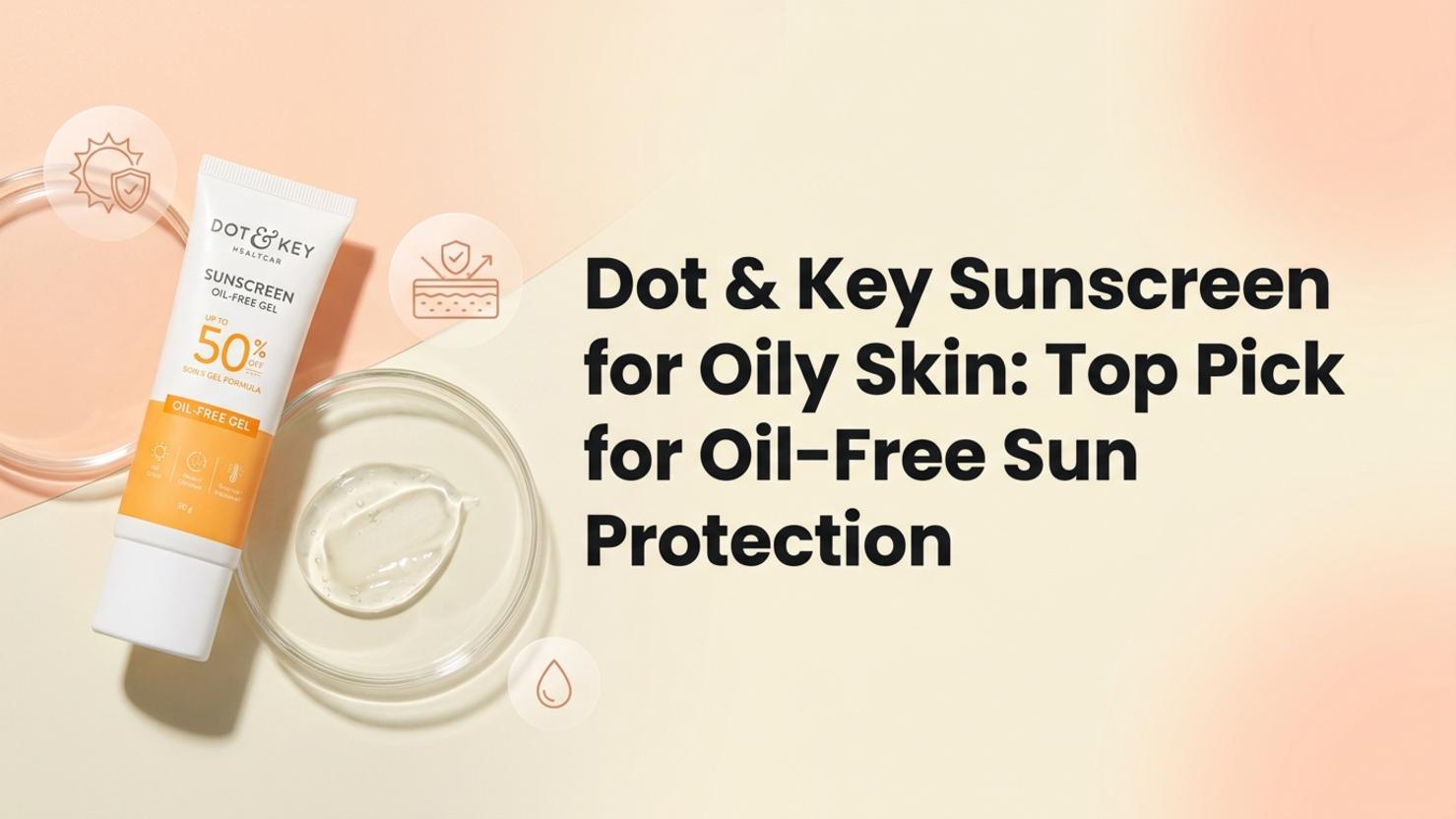
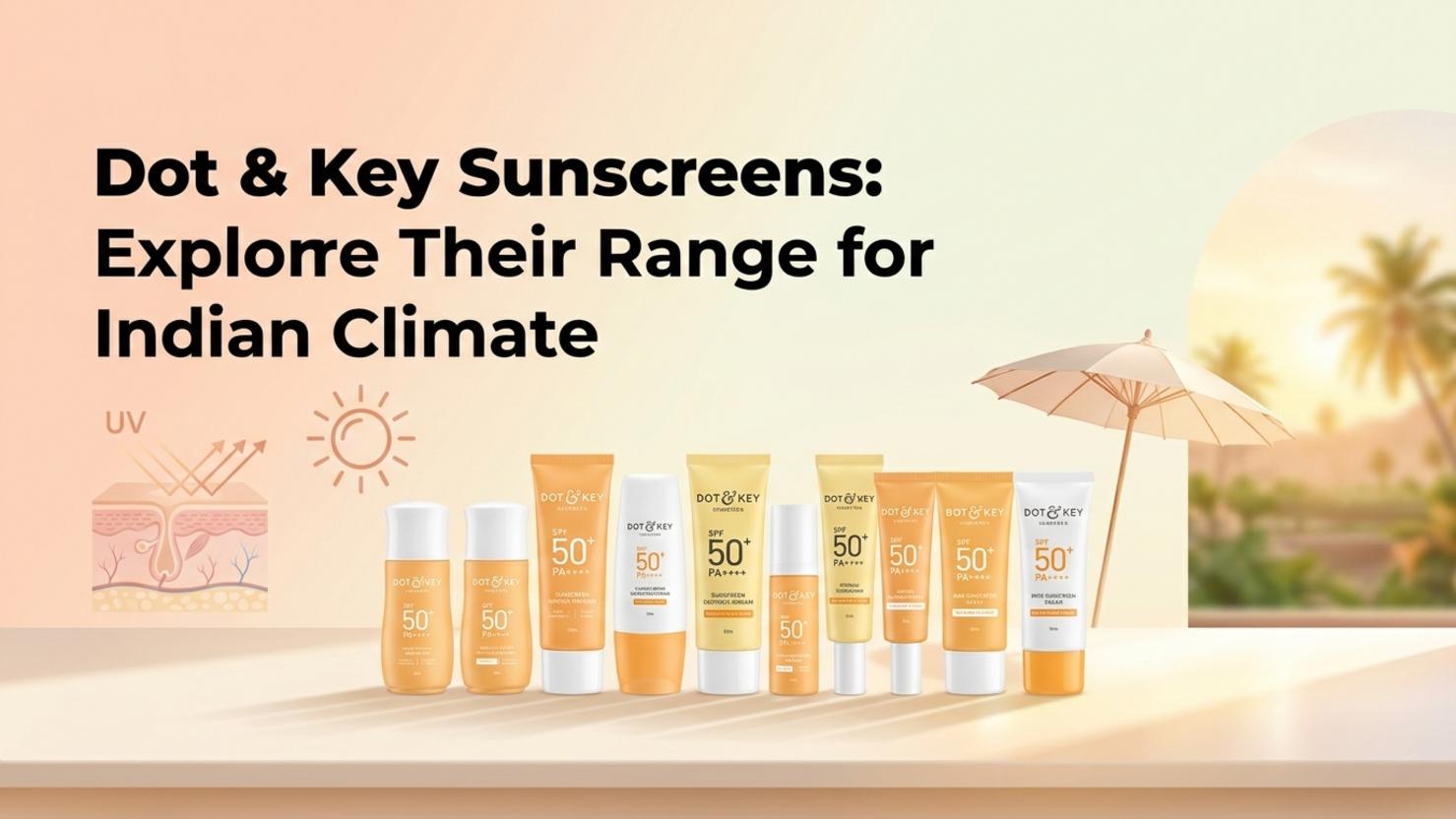
1. Dot & Key Blueberry Hydrate Barrier Repair Sunscreen SPF 50+ PA++++
This advanced sunscreen blends potent SPF 50+ protection with broad-spectrum (PA++++) shielding. Its unique formulation offers barrier repair benefits and extra hydration, making it ideal for all skin types, including those prone to dryness or irritation. Dot & Key’s formula is lightweight, fast-absorbing, and leaves no greasy residue or white cast, which many users appreciate for daily wear.
Main Features:
- SPF 50+ and PA++++ for superior sun defense
- Infused with antioxidant-rich blueberry extract
- Restores and repairs the skin barrier
- Deeply hydrates and soothes irritation
- Smooth, non-sticky finish ideal for layering under makeup
Dermatologists recommend this sunscreen for its blend of robust sun protection and skin barrier support, making it a favorite for those aiming to combine skincare with sun care.
2. Physical (Mineral) Sunscreens With Zinc Oxide or Titanium Dioxide
Mineral or physical sunscreens form a protective layer over the skin, reflecting harmful UV rays. Dermatologists often recommend them for sensitive, acne-prone, or easily irritated skin because they are less likely to cause allergic reactions.
Main Features:
- Effective against UVA and UVB rays
- Gentle, hypoallergenic formulas
- Often recommended by dermatologists for children and those with sensitive skin
Drawbacks may include a subtle white cast, but newer formulas are improving comfort and appearance.
3. Chemical Sunscreens With Advanced Filters
Chemical sunscreens use ingredients like avobenzone, octocrylene, or mexoryl to absorb and neutralize sun rays before they damage the skin. They’re lightweight, easy to spread, and generally feel more “invisible” on the skin than some mineral alternatives.
Main Features:
- High efficacy in preventing sunburn and pigmentation
- Easy blending, cosmetically elegant textures
- Many products are fragrance-free and suitable for all skin tones
For oily or combination skin, these can be ideal, provided the sunscreen is labeled non-comedogenic.
4. Hybrid Sunscreens (Mineral + Chemical)
Hybrid sunscreens combine mineral and chemical filters for optimal broad-spectrum protection. These sunscreens are formulated to maximize efficacy while minimizing potential irritation or white cast.
Main Features:
- Combined broad-spectrum coverage
- Most are lightweight and suitable for daily and outdoor use
- Offer both instant and lasting protection
Dermatologists recommend hybrids to people wanting the best of both worlds — potent protection and user-friendly formulas.
5. Tinted Sunscreens With Added Antioxidants
Tinted sunscreens serve a dual purpose: offering UV protection while providing color correction and a cosmetic glow. Many of these products include added antioxidants like vitamin C, E, or niacinamide, which help counteract environmental stress and pollution.
Main Features:
- Iron oxide content offers blue light protection
- Camouflage and even out skin tone
- Suitable for use alone or under makeup
These formulas are ideal for people looking to reduce steps in their routine and those prone to pigmentation or hyperpigmentation.




 0
0