Taking a pregnancy test can be a nerve-wracking experience, filled with anticipation and hope. But sometimes, the results can be confusing, especially when a faint line appears that leaves you wondering if it's a true positive or something else entirely. This is where the concept of an evaporation line pregnancy test comes into play.
In this comprehensive guide, we'll cover all about evaporation lines, exploring what they are, how they form, and how to differentiate them from a real positive result. We will also provide practical tips to avoid misinterpreting your pregnancy test and ensure you get accurate and reliable results.
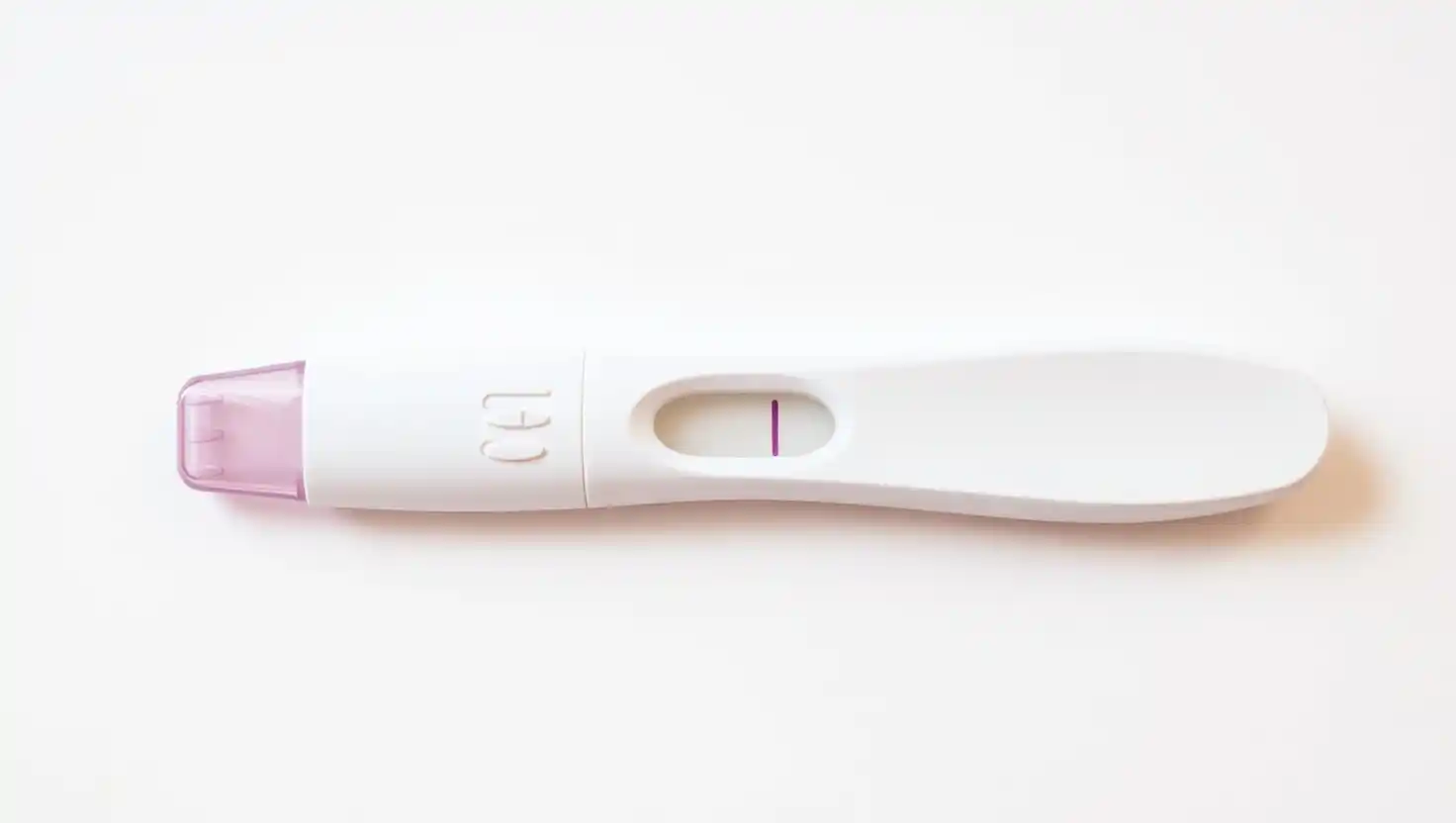
An evaporation line is a faint line that can appear on a pregnancy test after the urine has dried. It's essentially a mark left behind by the evaporated urine and is not an indication of pregnancy. These lines can be tricky because they often appear within the timeframe you're supposed to read the test results, making it difficult to distinguish them from a true positive.
Home pregnancy tests work by detecting the presence of a hormone called human chorionic gonadotropin (hCG) in your urine. When you're pregnant, your body produces hCG, and this hormone binds to antibodies on the test strip, creating a colored line (usually pink or blue) to indicate a positive result.
An evaporation line forms when the urine on the test strip begins to dry. As the urine evaporates, it can leave behind a faint residue that may resemble a positive line. This is especially common if you read the test results outside the recommended time frame.
The key difference between an evaporation line on pregnancy test strip and a faint positive is that a faint positive indicates the presence of hCG in your urine, even if the line is very light. This means you are likely pregnant, whereas an evaporation line is simply a mark left by the evaporated urine and does not signify pregnancy.
Here are some clues to help you differentiate:
Evaporation lines can vary in appearance, but they generally have some common characteristics:
Here are some tips to help you avoid misinterpreting your pregnancy test results:
The waiting time for reading pregnancy test results can be a bit like a mini eternity when you're eager to know the outcome! This waiting time varies depending on the brand and type of test you're using.
Most tests recommend reading the results within a window of 3 to 5 minutes. This is the sweet spot where the test is most likely to give you an accurate reading. However, it's absolutely crucial to check the specific instructions that come with your test.
Unfortunately, an evaporation line pregnancy test does not mean you're pregnant. It's simply a mark left by the evaporated urine and is not an indication of hCG, the pregnancy hormone, in your system.
Evaporation lines can be frustrating because they can look like a very faint positive line, especially if you're really hoping to see a positive result. But remember, they are just a trick of the light and drying process, not a sign of pregnancy.
If you're unsure about the results of your first test, perhaps due to a faint line or a line appearing outside the time frame, it's a good idea to take another test a few days later.
Here's why waiting a few days helps:
If you continue to get faint lines or are unsure about the results after taking multiple tests, it's best to consult your doctor for a blood test, which can provide a definitive answer.
If you have any concerns about your pregnancy test results or are experiencing any pregnancy symptoms, such as a missed period, nausea, or breast tenderness, it's always best to consult your doctor. They can perform a blood test to confirm pregnancy and provide you with appropriate care and guidance.
Understanding the concept of an evaporation line pregnancy test is crucial for accurately interpreting your results and avoiding unnecessary stress and confusion. By following the instructions carefully, reading the test within the time frame, and being aware of the key differences between an evaporation line and a faint positive, you can gain more confidence in your pregnancy test results.
Remember, if you're ever in doubt, consult your doctor for confirmation and guidance.
1. Can an evaporation line be pink?
Yes, an evap line can sometimes have a faint pink tinge, making it even more confusing.
2. Are all faint lines evaporation lines?
No, a faint line can also be a true positive, especially if it appears within the time frame and has some color.
3. Can I prevent evaporation lines?
You can reduce the likelihood of evaporation lines by reading the test within the time frame and avoiding leaving the test exposed to air for too long.
4. Are digital pregnancy tests less prone to evaporation lines?
Yes, digital tests are generally less prone to evaporation lines because they provide a clear "pregnant" or "not pregnant" result.
5. Can medications affect pregnancy test results?
Some medications, such as fertility drugs, can affect pregnancy test results. It's important to inform your doctor about any medications you're taking.
6. How accurate are home pregnancy tests?
Home pregnancy tests are generally very accurate when used correctly, but false negatives and false positives can occur.
For more health-related content, visit our Dawaa Dost website. You will also get access to quality medicines and healthcare products, all at affordable prices. Check it out now!
Disclaimer: This article is intended for informational purposes only and should not be considered a substitute for professional medical advice. Always consult a qualified healthcare provider for diagnosis and treatment of any health condition.
Our Services
Knowledge Base
Fetured Categories
© 2026 DawaaDost. All rights reserved. In compliance with Drugs and Cosmetics Act, 1940 and Drugs and Cosmetics Rules, 1945, we don't process requests for Schedule X and other habit forming drugs.