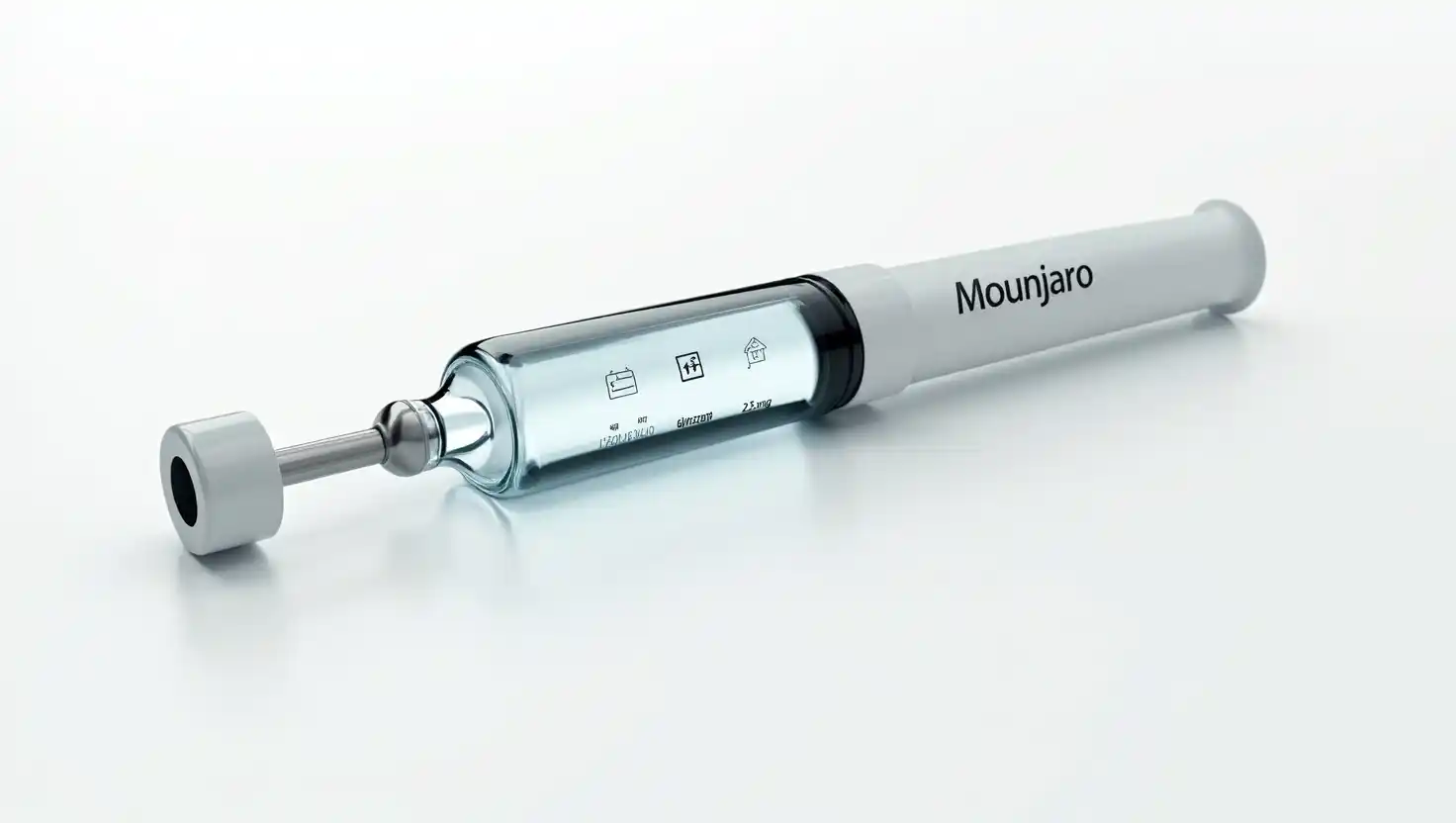
Polycystic Ovary Syndrome (PCOS) is a complex hormonal disorder that affects approximately 1 in 10 women of reproductive age. Characterized by irregular menstrual cycles, elevated androgen levels, and polycystic ovaries, PCOS is closely associated with insulin resistance and metabolic dysfunction. As research evolves, a growing number of clinicians and patients are asking the question: Can Mounjaro (tirzepatide) help manage PCOS?
Originally approved for type 2 diabetes, Mounjaro has emerged as a promising candidate for weight management and metabolic improvement. This article examines the potential of Mounjaro for PCOS treatment through an evidence-based lens, exploring its mechanism of action, expert opinions, ongoing research, and safety profile.
Polycystic Ovary Syndrome is not a one-size-fits-all condition. It presents with a wide range of symptoms, including:
The underlying cause of PCOS remains unclear, but it is widely acknowledged that insulin resistance and hyperinsulinemia play a central role in its development and progression. Elevated insulin levels stimulate ovarian androgen production, exacerbating many symptoms, particularly irregular periods and hirsutism.
For this reason, medications that improve insulin sensitivity, such as metformin, are commonly prescribed. However, recent attention has turned to more potent metabolic agents like GLP-1 receptor agonists, and in particular, the dual GLP-1/GIP receptor agonist tirzepatide (Mounjaro).
Mounjaro is an injectable medication developed by Eli Lilly and approved by the U.S. Food and Drug Administration (FDA) for the treatment of type 2 diabetes. It works by mimicking two hormones involved in glucose regulation and appetite control:
This dual mechanism distinguishes Mounjaro from other medications in its class, such as Ozempic and Wegovy, which target only GLP-1 receptors. By influencing both pathways, tirzepatide improves insulin sensitivity, reduces appetite, slows gastric emptying, and promotes significant weight loss.
Weight loss of just 5% to 10% of total body weight can dramatically improve PCOS symptoms. Benefits include:
However, many women with PCOS struggle to lose weight through diet and exercise alone due to underlying hormonal imbalances. This makes pharmacological interventions particularly valuable, especially those that target metabolic dysfunction at its core.
Although Mounjaro is not currently FDA-approved for PCOS, many healthcare professionals believe it holds potential as a powerful tool in managing the condition.
Dr. Maria Gonzalez, an endocrinologist specializing in PCOS, explains:
"Tirzepatide addresses two of the biggest issues in PCOS, insulin resistance and excess weight. By improving these metabolic parameters, we often see a secondary benefit in reproductive hormone balance."
Early anecdotal reports from clinicians using Mounjaro off-label in PCOS patients suggest improvements in:
While large-scale, PCOS-specific clinical trials for Mounjaro are still pending, indirect evidence supports its potential use.
When managing PCOS, a range of medications may be used depending on symptom severity and treatment goals. Here is how Mounjaro compares:
| Medication | Primary Use | Effect on PCOS Symptoms | Weight Loss | Insulin Sensitivity |
| Metformin | Type 2 Diabetes | Moderate improvement | Mild | Moderate |
| Birth Control | Hormonal balance | Effective for irregular periods and acne | None | None |
| Spironolactone | Anti-androgen | Reduces hirsutism and acne | None | None |
| Ozempic/Wegovy | GLP-1 agonist | Promising, under study | High | High |
| Mounjaro | Dual GLP-1/GIP | Promising, off-label use | Very High | Very High |
As with any medication, Mounjaro is not without side effects. The most commonly reported issues include:
These side effects are generally mild to moderate and tend to subside over time. However, there are important contraindications. Mounjaro is not recommended for:
It is critical to consult a qualified healthcare provider before starting the medication, especially when used off-label.
While Mounjaro shows great promise, it is not suitable for everyone. Ideal candidates may include:
However, Mounjaro may not be appropriate for lean PCOS patients or those whose primary symptoms are unrelated to weight or insulin.
As more research emerges, Mounjaro may become a cornerstone in the treatment of PCOS, particularly for patients whose symptoms are driven by metabolic dysfunction. Several experts are calling for clinical trials specifically focused on tirzepatide’s impact on:
If such studies confirm its benefits, it could reshape the current treatment paradigm for PCOS.
Mounjaro represents a new frontier in metabolic medicine. Its powerful effects on insulin sensitivity and weight loss make it a promising off-label option for women with PCOS, particularly those who have not achieved success with traditional therapies.
However, as with all emerging treatments, medical supervision and individualized care are essential. Patients and providers must weigh the benefits and risks carefully, monitor for side effects, and align treatment strategies with long-term health goals.
For now, Mounjaro may offer hope for many women seeking to manage their PCOS symptoms more effectively, especially in an era where the importance of metabolic health is becoming increasingly clear.
What is Mounjaro and how does it work for PCOS?
Mounjaro (tirzepatide) is a medication approved for type 2 diabetes that mimics two hormones—GLP-1 and GIP—helping improve insulin sensitivity, reduce appetite, and promote weight loss. These effects are beneficial for managing PCOS, especially in patients with insulin resistance and difficulty losing weight.
Can Mounjaro help with weight loss in PCOS?
Yes, Mounjaro has shown promising results in weight loss, which is crucial for managing PCOS symptoms. Even a modest weight loss of 5-10% can improve menstrual regularity, reduce androgen levels, and enhance fertility.
Is Mounjaro FDA-approved for PCOS treatment?
No, Mounjaro is not yet FDA-approved specifically for PCOS. However, many healthcare providers are using it off-label due to its benefits in improving insulin resistance and metabolic health, both of which are central to PCOS.
What are the side effects of Mounjaro?
Common side effects of Mounjaro include nausea, vomiting, diarrhea, constipation, fatigue, and reduced appetite. These side effects are typically mild and subside over time but should be monitored closely by a healthcare provider.
Who is an ideal candidate for Mounjaro in PCOS treatment?
Ideal candidates are women with a BMI over 27 who struggle with weight loss and insulin resistance. Mounjaro is particularly beneficial for those who have not responded well to conventional PCOS treatments like metformin or birth control.
Disclaimer: This article is intended for informational purposes only and should not be considered a substitute for professional medical advice. Always consult a qualified healthcare provider for diagnosis and treatment of any health condition.
Our Services
Knowledge Base
Fetured Categories
© 2026 DawaaDost. All rights reserved. In compliance with Drugs and Cosmetics Act, 1940 and Drugs and Cosmetics Rules, 1945, we don't process requests for Schedule X and other habit forming drugs.