logo.webp

Log in To Dawaa Dost

Welcome! Please enter your details

You want to Leave?

  • Home
  • Blog
  • 10 Things To Be Careful About When Taking Ridol Tablet

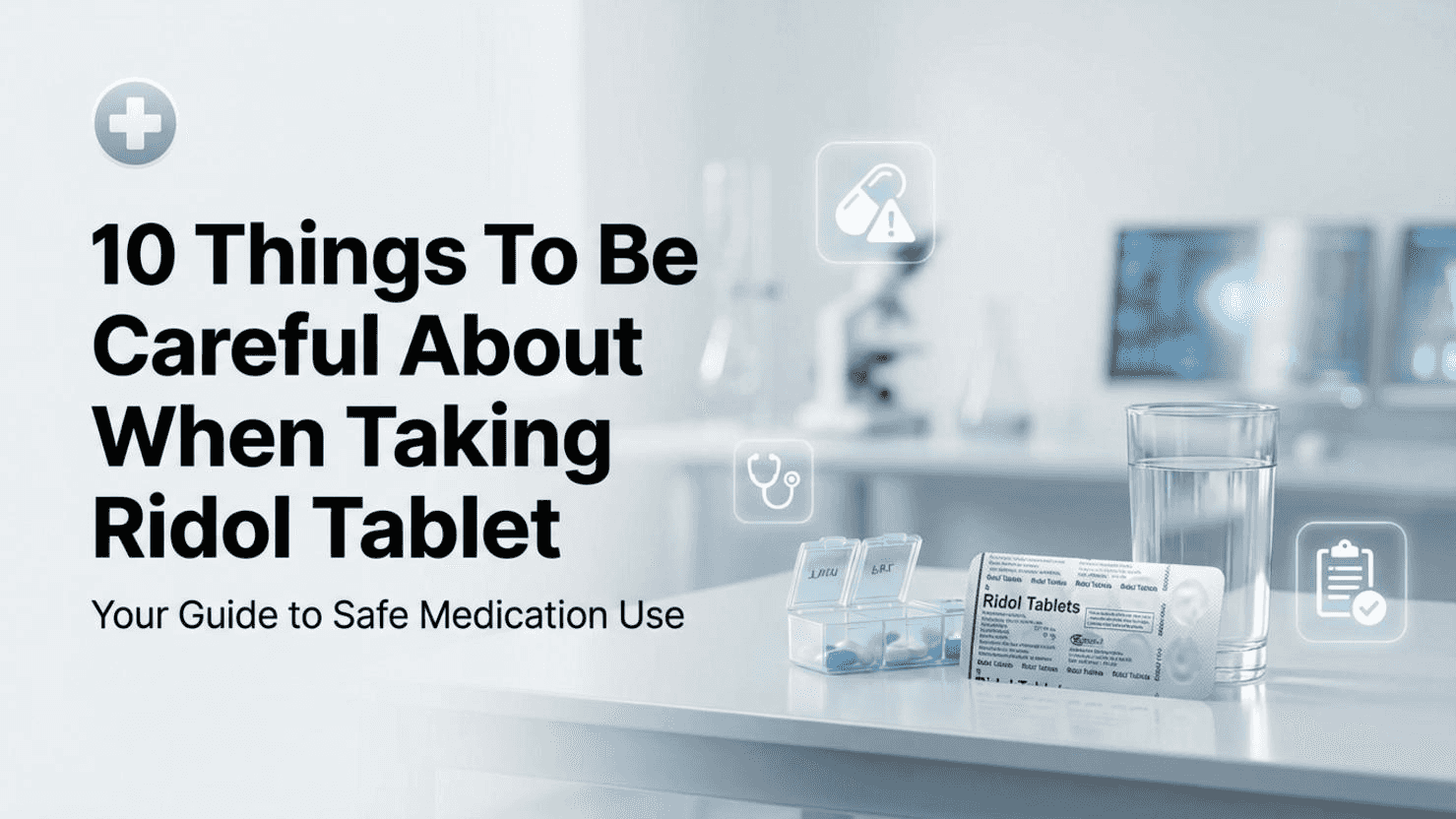
10 Things To Be Careful About When Taking Ridol Tablet

4 min read

In this blog

  • Introduction
  • 10 Things to Be Careful About When Taking Ridol Tablet
  • Foods to Eat and Avoid When Taking Ridol Tablet
  • Should I Ask a Doctor First?
  • Who Should Avoid Taking Ridol Tablet
  • Conclusion
  • FAQs

Introduction

If you are experiencing diarrhea, your doctor might suggest using Ridol Tablet to control your symptoms. Ridol Tablet contains Loperamide (2mg) as its active ingredient and is commonly prescribed for short-term relief of diarrhea. While this medicine can be very effective, there are some important things to be careful about when taking Ridol Tablet to ensure your safety and achieve the best results. This blog will guide you through the key precautions, the foods you should eat or avoid, and who should not use this medicine.

10 Things to Be Careful About When Taking Ridol Tablet

1. Take the Correct Dose

Always take Ridol Tablet exactly as prescribed by your doctor or as directed on the packaging. Taking more than the recommended dose can cause serious heart problems or side effects, such as irregular heartbeat. Never self-medicate or increase the dose on your own, even if your symptoms persist.

2. Do Not Use for Bloody or Severe Diarrhea

Ridol Tablet should not be used if you have diarrhea with blood, mucous, or if you have a high fever. These symptoms may indicate a serious underlying infection or condition, and using this medicine could make things worse. Consult a doctor immediately if you experience these signs.

3. Avoid Using for Long-Term Treatment

This medicine is intended for short-term use only. Prolonged use without medical guidance can mask underlying problems and may cause harmful effects, such as constipation or, rarely, toxic megacolon. Always follow your healthcare provider’s instructions regarding duration of use.

4. Watch for Signs of Allergy

If you develop symptoms such as rash, itching, swelling of the face or throat, or difficulty breathing after taking Ridol Tablet, seek medical attention right away. Serious allergic reactions are rare, but they require prompt treatment.

5. Stay Hydrated

Diarrhea can quickly lead to dehydration, especially in children and elderly adults. While Ridol Tablet helps reduce diarrhea, it does not replace lost fluids. Make sure to drink plenty of water and oral rehydration solutions as advised.

6. Avoid Alcohol

Alcohol can worsen dehydration and may increase your risk of serious side effects while using Ridol Tablet. It is safest to avoid drinking alcohol while taking this medication.

7. Inform Your Doctor About Other Medications

Some medicines can interact with Ridol Tablet and increase the risk of side effects or reduce effectiveness. Always tell your doctor or pharmacist about any other prescription, over-the-counter, or herbal medicines you are using before starting Ridol Tablet.

8. Pregnancy and Breastfeeding Precautions

If you are pregnant, planning to become pregnant, or breastfeeding, consult your doctor before taking Ridol Tablet. There may be safer options depending on your specific situation, and your healthcare provider can best advise you.

9. Do Not Drive if You Feel Drowsy

Some people may feel dizzy, tired, or less alert after taking Ridol Tablet. If you experience these effects, avoid driving, operating heavy machinery, or doing tasks that require concentration until you feel fully alert.

10. Watch for Signs of Constipation or Bloating

If you experience persistent constipation, abdominal swelling, or pain after taking Ridol Tablet, stop taking the medication and seek medical advice. These could be signs of a blockage or a more serious problem.


Foods to Eat and Avoid When Taking Ridol Tablet

When you are taking Ridol Tablet to manage diarrhea, your diet can make a big difference in how quickly you recover and how well the medicine works. Some foods help soothe your digestive system, while others can irritate your gut or make diarrhea worse. Here’s what you should know:

Foods to Eat:

  • Bland foods such as rice, bananas, toast, and applesauce – these are easy on the stomach and help firm up stools.
  • Oral rehydration solutions or clear soups – these replace lost fluids and electrolytes.
  • Yogurt (with probiotics) – may help restore good gut bacteria after diarrhea.

Foods to Avoid:

  • Dairy products (except yogurt with probiotics) – can worsen diarrhea in some people.
  • Fatty, fried, or spicy foods – these can irritate the digestive tract and aggravate symptoms.
  • Raw fruits and vegetables (in large amounts) – high fiber can increase bowel movements.
  • Caffeinated beverages and alcohol – may worsen dehydration and trigger more diarrhea.

Eating the right foods helps your body recover, while avoiding irritating foods prevents your symptoms from getting worse.

Should I Ask a Doctor First?

Yes, you should consult a healthcare professional before starting Ridol Tablet, especially if you have underlying health conditions, are pregnant, breastfeeding, elderly, or giving the medicine to a child. Diarrhea can sometimes be a sign of a more serious infection or disease, and it’s important to get the right diagnosis and treatment. Also, using the medicine incorrectly can lead to side effects or delay necessary care. Your doctor will determine if Ridol Tablet is safe and appropriate for you, which helps ensure you get the best possible results.

Who Should Avoid Taking Ridol Tablet

Some people should not take Ridol Tablet due to potential risks. Avoid using this medicine if you have diarrhea with blood or high fever, severe liver problems, known allergy to Loperamide, or if you are under age 2 (unless a doctor specifically advises). People with certain intestinal conditions—such as ulcerative colitis, bacterial enterocolitis, or antibiotic-associated colitis—should also avoid this medication unless advised by a doctor. Always check with your healthcare provider if you are unsure.

Conclusion

Ridol Tablet can be helpful in providing short-term relief from diarrhea when taken correctly. However, it’s important to understand the key precautions and be aware of who should not use it. By following your doctor’s advice, staying hydrated, maintaining a suitable diet, and recognizing warning signs, you can safely manage your symptoms. If in doubt, always seek professional medical guidance to protect your health.

Looking for more health tips and trusted medicine information? Visit our Blog for more helpful articles.

FAQs

Can I take Ridol Tablet for any type of diarrhea?

No, Ridol Tablet should not be used for diarrhea with blood, mucous, or caused by bacterial infections without a doctor’s advice. It is intended mainly for uncomplicated, short-term diarrhea.

What should I do if I miss a dose of Ridol Tablet?

If you miss a dose and still need it, take it as soon as you remember. If it is almost time for your next dose, skip the missed one. Never double up to make up for a missed dose.

Is Ridol Tablet safe for children?

The medicine is generally not recommended for children under age 2. Children should only be given Ridol Tablet if specifically prescribed by a doctor, as side effects can be more serious in young children.

Can I take Ridol Tablet with other medicines?

Some medicines may interact with Ridol Tablet and affect its effectiveness or increase your risk of side effects. Always tell your doctor about all medications you are taking to check for possible interactions.

When should I stop taking Ridol Tablet and see a doctor?

Stop taking Ridol Tablet and see a doctor if you develop constipation, abdominal swelling, allergic reactions, or if your diarrhea lasts more than 2 days or gets worse.

Disclaimer: This article is intended for informational purposes only and should not be considered a substitute for professional medical advice. Always consult a qualified healthcare provider for diagnosis and treatment of any health condition.

Popular Products